
Drive wirelessly
Germany is going to test a highway where electric cars can charge while they drive on it using induction technology. That writes Business Wire. The trial will take place on a 1 kilometer long autobahn section in the north of the state of Bavaria.
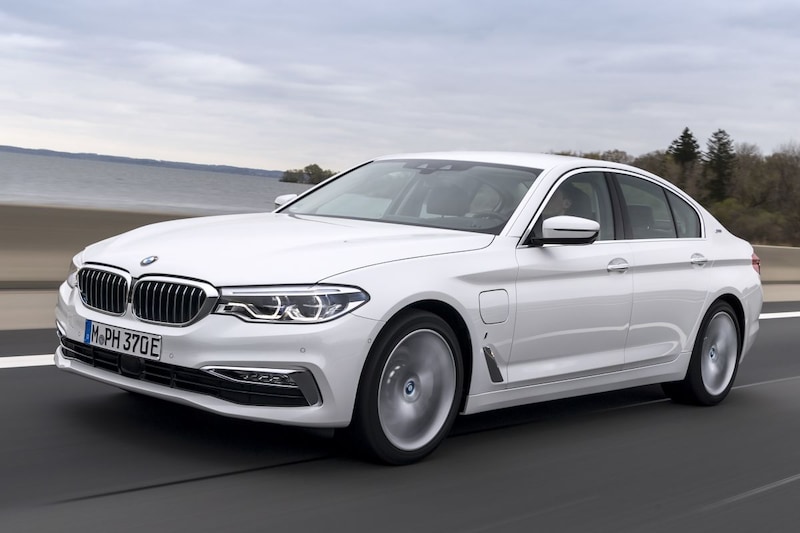
Induction technology for wireless charging of a battery has long been commonplace for electric toothbrushes, but the situation is different for electric cars. Various manufacturers have been playing with the idea for years, but it has not led to more than a few small-scale attempts so far. For example, BMW already offered a wireless charging platform for its plug-in hybrid 530e and Volvo implemented the technology this year in Gothenburg, Sweden. There, wirelessly charged electric Volvo XC40s drive around as a taxi.
Germany will soon implement the next step: wireless charging of (at speed) driving cars. To this end, it is equipping a 1 km autobahn section in northern Bavaria with the technology. That writes BusinessWire. The project started in July, but is only now being announced to the world. It is not yet known when the route can be put into use. It involves €7.5 million, a significant part of which comes from the German Ministry for Economic Affairs and Climate under the guise of its electric transport programme.
Limited efficiency
The equipment to be used comes from the Israeli company Electreon, which has already carried out a trial with the charging of electric buses in operation in Karlsruhe, Germany. The new test is testing on a larger scale, with an eye for cost efficiency when applying inductive charging for moving vehicles on a larger scale. It is not yet clear whether every electric car with an inductive charging option can charge on the test track. It is possible that only assigned vehicles such as buses or taxis will use them during the trial. In addition, there are only a few EVs on the market that could do it.
It remains to be seen whether highways on which mobile wireless charging is possible will actually be built on a large scale in the future. Much more energy is lost with inductive charging than with charging via a cable, which does not speak for its efficiency. That is one of the reasons why wireless charging has not yet taken off on a large scale. The upcoming German trial will no doubt teach us more about it.
– Thanks for information from Autoweek.nl