

Hay fever is probably one of the most annoying allergies of all. But with the right home remedies, your hay fever can become more bearable – without any medication.

When the hay fever season begins in spring, everyday life becomes torture for allergy sufferers: itchy eyes, a runny nose, headaches and sneezing attacks are just a few symptoms of hay fever. Many people treat it with medication. There are also effective home remedies that can provide relief without harmful chemicals. We have summarized the best home remedies for hay fever for you here.
But remember: Home remedies and antihistamines both only relieve the symptoms of hay fever. More is needed to combat the causes of pollen allergy. Also read this article: Tablets only relieve symptoms: What really helps against hay fever.
Traditional home remedy for hay fever: steam baths
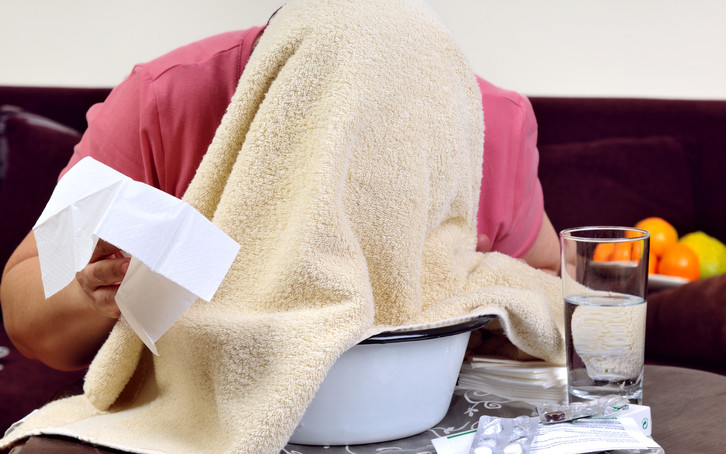
Steam baths are helpful as a home remedy for hay fever – especially if the symptoms are particularly severe. Steam baths moisten and clean the nasal mucosa and ensure that mucus can flow away.
- To make a steam bath, simply boil water and add about one to two teaspoons of salt.
- Then remove the saucepan from the heat and inhale the steam for ten minutes.
As an alternative to table salt, steam baths with oils or teas are also possible. Eucalyptus oil, fennel oil or peppermint oil are particularly suitable oils for inhalation.
Homemade nasal spray for hay fever

When it comes to hay fever, many sufferers like to use nasal spray. However, common decongestant nasal sprays from the pharmacy usually contain chemicals with a decongestant effect such as xylometazoline, oxymetazoline or phenylephrine and in the long term can cause those affected to become dependent on the spray. However, other active ingredients are used in nasal sprays specifically for hay fever. They are usually sprays with a combination of cortisone and antihistamines, which have an anti-inflammatory and decongestant effect. These active ingredients do not cause dependence like classic nasal sprays.
If you don’t want to go to the pharmacy and don’t have a nasal spray on hand, you can simply make your own spray. This also allows you to control the ingredients:
- For the homemade nasal spray, boil nine grams of salt with one liter of water and let the mixture cool. You can then rinse your nose with the solution.
- It will be easier if you get a spray bottle (you can get it at the drugstore or online, for example on Amazon).
- You can find more information about homemade nasal spray in our article Make your own nasal spray: Instructions with natural ingredients.
Note: You should only make your own nasal spray if you follow basic hygiene rules. For example, it is necessary to boil the water so that any bacteria are killed and microbial contamination does not occur if you fill the spray bottle with non-sterile water. Additionally, the spray bottle can become a breeding ground for bacteria over time if you don’t clean it regularly or store the spray for too long.
This nasal spray also works more like a nasal douche or a steam bath and only helps briefly or to a limited extent with severe allergies because it does not contain any active ingredients such as antihistamines that specifically help against allergic reactions. So it’s more of a measure for short-term relief that works on your mucous membranes in a similar way to a steam bath.
Indispensable medicinal herb for hay fever: eyebright

Eyebright is probably one of the most important home remedies for hay fever. As the name suggests, the herb has a calming effect on irritated eyes.
- To make a decoction, boil one tablespoon of dried or two tablespoons of fresh eyebright with about 500 milliliters of water for ten minutes.
- Then filter off the herb and let the brew cool down.
- You can use the solution as a nasal rinse or for an eye mask.
- For the eye mask, put the broth on a cloth and place it on your eyes – the itching and burning in your eyes will go away.
Note: The highest level of hygiene is required when using products on the eyes. Therefore, be sure to work with clean hands when making this home remedy for hay fever and boil the water you use beforehand.
Apple cider vinegar: The tried and tested home remedy
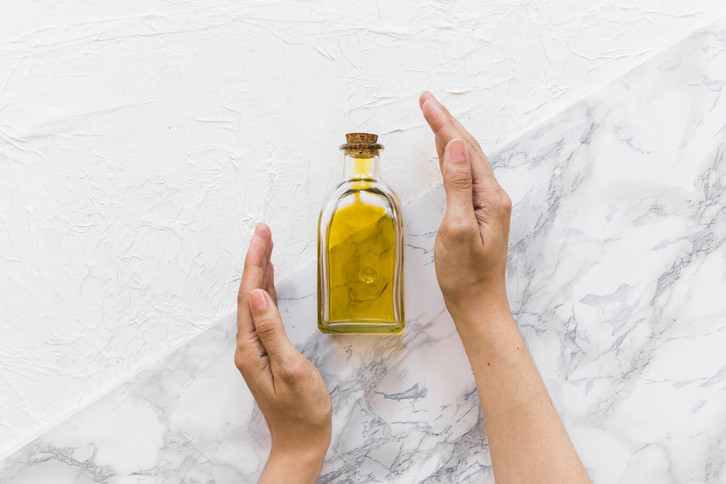
Apple cider vinegar is a real all-rounder because it works against inflammatory reactions in the body. As a home remedy for hay fever, you can use it as a long-term cure or specifically to combat the symptoms.
- As a treatment, you should drink a glass of water with two teaspoons of apple cider vinegar once a day. To make the drink taste more pleasant, you can add honey. It also has a soothing effect.
- If the hay fever symptoms are particularly severe, you can drink the apple cider vinegar drink several times a day.
Important: While many guides and pharmacies describe this home remedy as effective against hay fever symptoms, there is currently no scientific evidence of its effectiveness.
Tea as a home remedy for hay fever symptoms
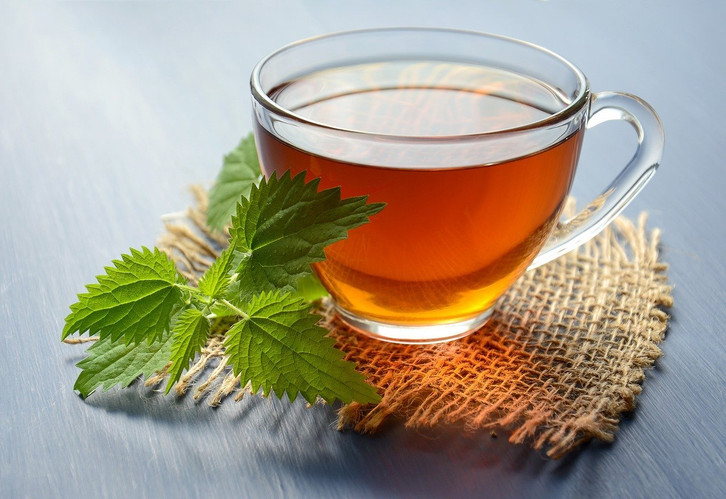
Although hay fever primarily irritates the nose and eyes, it often also causes an unpleasant scratchy sensation in the throat. Experience has shown that a tried and tested home remedy can help: tea. Make sure to buy fair trade tea to support good working conditions in the countries of origin.
- Teas are very suitable as home remedies for hay fever and can also be used for colds. These include sage tea or a mixture of yarrow, milk thistle and nettle.
- St. John’s wort, boxwood, turmeric, pasque flower or lemon balm can also be used as a tea to provide relief from hay fever.
- You can either drink the tea or use it to gargle.
Leaderboard: The best organic tea
-
 1st placeYogi Tea Tea
5.0
41
DetailRewe**
 2nd placeSonnentor tea
4.9
36
DetailEcco Verde**
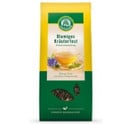 3rd placeTree of life tea
4.8
29
DetailFair Shopping**
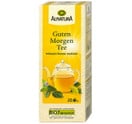 4th placeAlnatura tea
4.6
42
DetailAmazon**
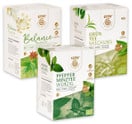 5th placeGepa tea
4.7
22
DetailPackage**
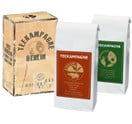 6th placeTea Campaign Tea
4.9
10
detail
 7th placeRewe organic tea
4.3
15
DetailRewe**
 8th placeDennree tea
4.5
6
DetailAmazon**
 9th placeWorldPartner organic tea
4.6
5
detail
 10th placeHerbaria tea
5.0
3
DetailShop Pharmacy**
 11th placePukka tea
3.7
6
DetailFrog Coffee**
 12th placeCha Do tea
5.0
2
DetailAmazon**
Hygiene measures for hay fever
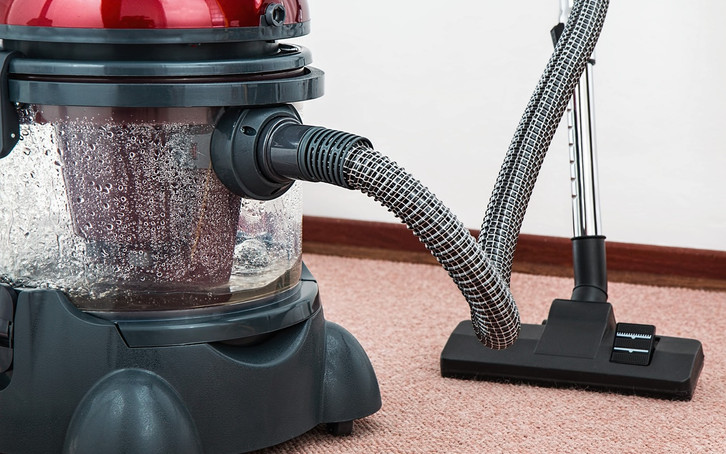
When it comes to hay fever, the motto is: no pollen in the home! (Photo: CC0/ Pixabay / stevebp) Anyone who has hay fever should pay particular attention to the cleanliness of their own four walls. That sounds paradoxical at first – after all, excessive hygiene is a possible reason why allergies arise in the first place. However, during the hay fever season, it helps to take special measures to ensure that the pollen does not become a nuisance at home.
- Wash your hands, arms, and face as soon as you get home to remove pollen. A lot of pollen collects in clothing and hair. Therefore, change your clothes immediately at home and take a shower before going to bed.
- It also helps to clean the living area regularly. You can find out how you can clean in an environmentally friendly way in our article Cleaning ecologically with home remedies. If the hay fever is particularly bad, you may also be able to buy a vacuum cleaner with a pollen filter or an air purifier.
-
Change your bedding at least once a week.
- Don’t dry your laundry outdoors so that pollen doesn’t get stuck in it in the first place.
- Keep your windows closed at night.
The most important home remedy for hay fever: Proper nutrition

People with allergies do not necessarily have to avoid certain foods. (Photo: CC0 / Pixabay / dbreen) During the hay fever season it is particularly important to pay attention to the right diet. It should be as balanced as possible and contain lots of fruit and vegetables. The common assumption that allergy sufferers should avoid foods with a high histamine content is outdated according to the latest research results, according to an expert in a report by Ökotest.
Those affected should only remove foods from their diet if they trigger allergic reactions. According to the expert, certain foods can lead to cross-allergies in hay fever. For example, an apple can cause a cross-reaction if you are allergic to birch pollen.
For some groups of people, a diet low in histamine can still make sense. Maybe you just feel better during hay fever if you only consume certain foods in small quantities. You can find an overview of which foods release histamine here: Low-histamine foods: A list.
Edited by Jennifer Watzek
Read more on Techzle\.com:
- Ventilation when there is pollen count: It depends on the time of day
- Cleaning tips for allergy sufferers: How to get pollen and house dust under control
- Warning: This can make allergies worse
** marked with ** or orange underlined Links to sources of supply are partly partner links: If you buy here, you are actively supporting Techzle\.com, because we then receive a small part of the sales proceeds. More info.
Recent Articles
Related Stories