
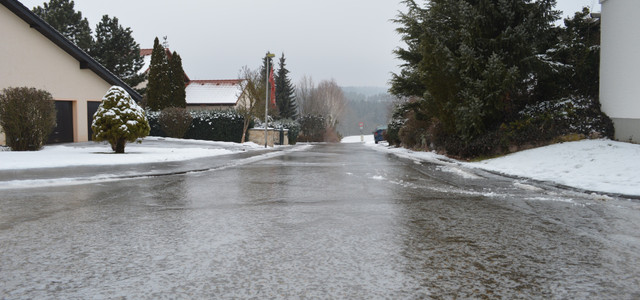
Black ice in winter is not without danger. The ice is not always immediately recognizable and can quickly lead to accidents. We explain how you can avoid falling on black ice.
In addition to beautiful snowy landscapes and a cozy winter atmosphere at home, winter also offers a number of dangers. Especially in road traffic and on sidewalks, the treacherous black ice can pose a serious risk of accidents when temperatures are below zero. Older people or people with limited mobility are particularly at risk. But even those who are young and athletic can get injured on black ice. Because the ice is not always immediately recognizable. We usually only recognize it when we lose our balance.
Every year, accidents caused by black ice occur not only on the roads, but also among pedestrians. Many of these could be avoided. We’ll explain how you can avoid falling on black ice.
How does black ice form?
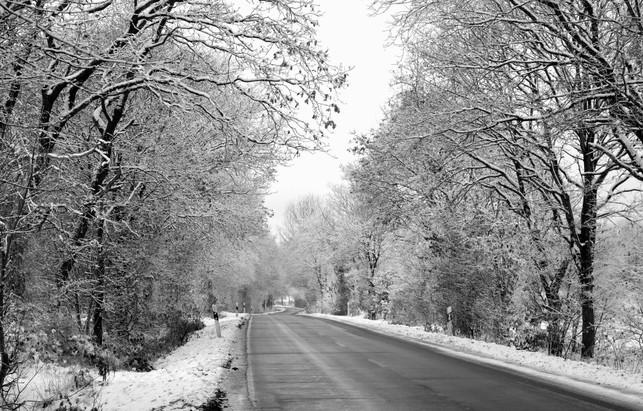
When water freezes on the ground and forms a thin layer of ice, it is called black ice. Because the ice layer is usually very thin, it is often not immediately recognizable. If you know when black ice can occur, you can prepare for it and instinctively be more careful:
-
Two air masses are required for black ice: warmer air at altitude and cold air at the ground.
- Black ice forms when rain hits a surface that is still cold or frozen and immediately freezes there.
- In a short time, an often invisible layer of ice forms on streets and sidewalks.
- The so-called lightning ice is also particularly dangerous. This is what a sudden formation of black ice is called.
According to WetterOnline, black ice is particularly common when a cold period comes to an end. Thawed snow can freeze again at night, causing slippery ice.
How do you recognize black ice?
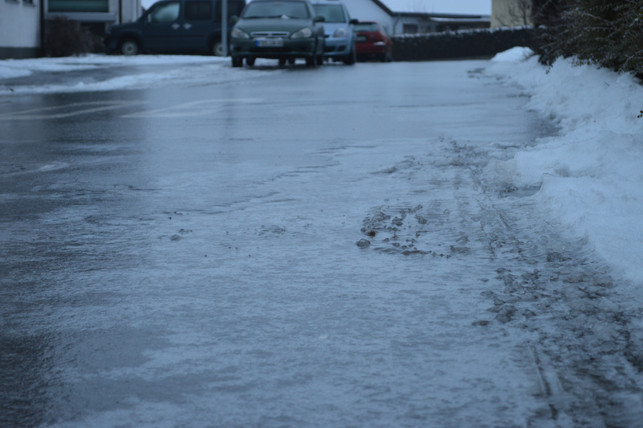
An increased risk of black ice can already be seen in the weather report:
- When temperatures are around freezing point, the risk of black ice is particularly high.
-
Thaw combined with freezing temperatures at night increase the risk.
-
Precipitation (especially rain or sleet) at appropriate winter temperatures is also a warning signal for possible black ice.
- The time of day also plays a role. Experience has shown that black ice occurs primarily in the evening, at night and early in the morning.
Black ice cannot be predicted precisely. However, there are often warnings that can indicate potential black ice formation. You should definitely take warnings like these from the German Weather Service first.
How do I behave when there is black ice?
It is best for people with limited mobility to avoid going outside when there is black ice. But if you absolutely have to go outside, these tips from NDR can help you avoid falls as best as possible:
-
Move with the “penguin gait”: This gait recommended by experts on black ice is reminiscent of a penguin. Hence the name. The goal is to move in small steps, waddling rather than walking, by putting your foot down completely instead of heel first. Distribute your body weight by turning your feet slightly outwards.
-
Lean slightly forward when running: This will help you avoid falling on the back of your head or your tailbone in the event of a fall. According to NDR, falling forward is less dangerous because you can then catch yourself more easily with your hands and knees.
-
Plan your running route: You should avoid particularly dangerous places such as sidewalk and platform edges when there is black ice. Instead, stick to routes that can provide support with railings and fences along the way.
-
Use aids: There are so-called shoe spikes. These are a good help on black ice. You can simply pull the rubber soles with small metal claws over your shoes. If you don’t have one, you can also put thick rubber bands over your shoes. Rubber from mason jars, for example, are suitable here.
-
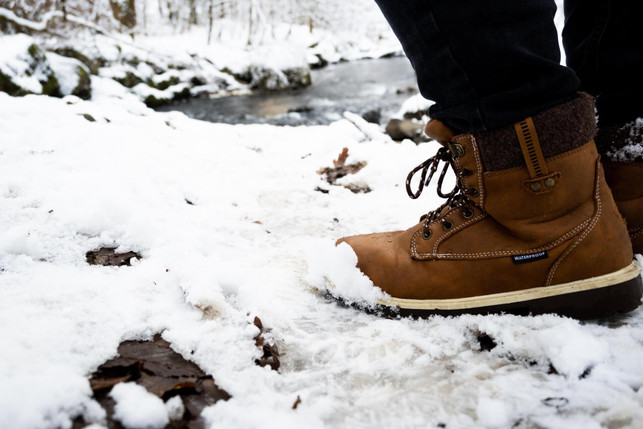
Wear suitable shoes: Of course, the most important thing is the right footwear. If there is black ice, you should wear flat shoes with a thick sole and tread. You should avoid smarter but less practical shoes or keep them in your bag as a change of shoes for later.
Read more on Techzle\.com:
- Winter mistakes: You should avoid these 7 things in the cold season
- Ice bathing: is it healthy or dangerous?
- Learn to Ice Skate: Simple Steps to Get Started
** marked with ** or orange underlined Links to sources of supply are partly partner links: If you buy here, you are actively supporting Techzle\.com, because we then receive a small part of the sales proceeds. More info.