
If you’re in the market for a new car, it’s important to first get some answers to your queries. You may wonder which is cheaper – electric or petrol – comparing the Peugeot e-208 with the 208 1.2 PureTech. You may also have some uncertainty regarding things like cargo capacity and safety features. In this article, we’ll guide you through the important questions to ask before buying a car.
Can A Car Dealership Help Me?
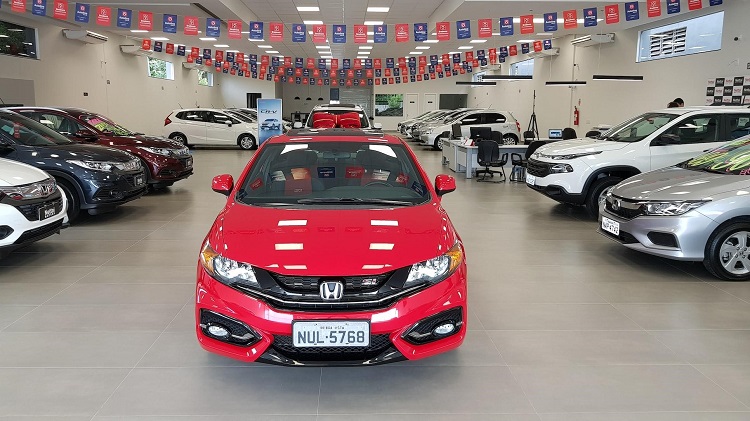
A car dealership will have a wide range of vehicles to choose from. It’ll also have knowledgeable salespeople who can assist you in finding the perfect fit for your needs and budget. Additionally, dealerships often offer financing options and have certified pre-owned programs. The latter means they thoroughly inspect their used cars, providing peace of mind that you’re getting a reliable vehicle. Moreover, many dealerships provide after-sales services, such as maintenance and repairs.
Your first step would be to study the websites of any dealerships near you. You’ll discover that a car dealer can tell you what your car is worth, and will talk about warranties based on months or kilometers traveled. Dealerships often have large networks, and you can view photos and prices of vehicles you can drive away.
What Are My Financial Limitations?
Besides the upfront cost of the vehicle, consider other ongoing expenses (e.g. insurance, fuel costs, maintenance, repairs, and regular servicing). This way, you can ensure that your purchase fits comfortably within your budget. If you review your monthly income and expenses, you’ll know how much money you have available for car-related payments.
Be honest with yourself about what you can afford, so your new car doesn’t put unnecessary strain on your finances. Also, consider any potential future changes to your financial situation (e.g. education or home ownership). It’s impossible to predict everything life throws at you, but some foresight can save you from experiencing unnecessary issues.
Should I Buy A Secondhand Model?
While a brand-new car may seem like the most desirable option, purchasing a secondhand model could be better. Buying used cars can save you a significant amount of money. New cars tend to depreciate rapidly in value as soon as they leave the dealership lot. Furthermore, secondhand models often come with lower insurance premiums and registration fees.
Many pre-owned vehicles still have some form of warranty coverage remaining from their original purchase. This gives buyers peace of mind, should any unexpected issues arise. You’ll also need to consider other factors (e.g. reliability ratings, the age of the car, and your specific needs as a driver) before making your final decision. However, a well-maintained used car often offers comparable performance and features to new models, at a fraction of the cost.
What Are My Lifestyle And Transportation Needs?
If you have young children, it’s beneficial to have a spacious vehicle. It should have adequate seating and storage, plus quality safety features. If you live in a bustling city where parking is scarce, a compact car (or even public transportation) might be more practical. If most of your driving consists of short commutes within the city limits, focus on maneuverability and ease of parking.
Perhaps you’re someone who frequently takes road trips or travels long distances for work. In that case, fuel efficiency and comfort may be high on your priority list. You may also need a vehicle that can cope well with rough terrain.
What Can I Learn About Different Car Models?
Each car model offers unique features and specifications, catering to different preferences and needs. By learning about these different models, you can make an informed decision. You can ensure that your chosen vehicle aligns with your budget, lifestyle, and driving requirements. Some models prioritize fuel efficiency while others prioritize power and performance. Some come equipped with advanced safety features like lane assist and blind-spot monitoring.
Others emphasize luxury amenities such as premium leather upholstery or state-of-the-art entertainment systems. Whether you’re interested in compact hatchbacks, spacious sedans, rugged SUVs, or sporty coupes, there’s a model out there to suit every taste. Learning about these different categories allows you to narrow down your choices, so you can focus on finding the perfect fit for your needs.
How Safe Will This Car Be?
The safety aspect can make all the difference in preventing accidents and protecting you and your loved ones. Modern cars come equipped with a range of advanced safety technologies that were once seen as luxuries. Features such as automatic emergency braking and adaptive cruise control are now becoming standard in many models. These advancements have significantly improved road safety. They can reduce human error and increase awareness of potential dangers.
The best way to assess a car’s overall safety is by reviewing crash test results from reputable organizations. They include the National Highway Traffic Safety Administration (NHTSA) or the Insurance Institute for Highway Safety (IIHS). These organizations conduct rigorous tests that simulate various types of crashes, evaluating how well a vehicle protects its occupants. By considering safety features (both active and passive) alongside these ratings, you can make the best possible decision.
Can I Take A Test Drive?
It’s vital to take potential purchases for a spin, to see how they feel on the road. It’s not enough to rely solely on online research and reviews. You need to experience the car for yourself. Before heading to the dealership, schedule an appointment for a test drive. This will ensure that both you and the salesperson have enough time to explore the car’s features and capabilities.
During your test drive, pay attention to how the car handles, and how comfortable you feel while driving it. Make note of any unusual noises or vibrations, and ask questions about anything that concerns you. Also, make sure that all the features are in full working order. Buying a car is a massive decision that needs careful consideration. If you ask the right questions and do the necessary research, you can avoid future headaches and unexpected expenses. Before you know it, you’ll have done a test drive and will be delighted with your new purchase.