

Runny nose, stuffy nose and feeling like you can’t breathe? A saline nasal spray, which you can make yourself inexpensively, can help.
Not only do you save money, but you also save packaging materials – and you keep control over the ingredients.
Make your own nasal spray: this is what you need
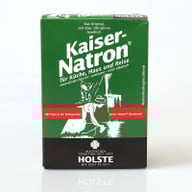
Natural nasal sprays are isotonic saline solutions. You can make these from either table salt or sea salt to clear your stuffy nose. Saline solutions consist of 0.9% salt – this corresponds to the salt content of our blood and moistens the mucous membranes without irritating them.
You need the following ingredients for homemade nasal spray:
- Table salt or sea salt (non-iodized, without fluoride or anti-caking agents, available in organic supermarkets)
- If necessary, baking soda to increase the pH value of the solution (makes the solution less “sharp” for the mucous membranes, making spraying more pleasant)
- Water
- Measuring spoon or fine scale
- a sterile nasal spray bottle (available in pharmacies, drugstores or online shops, e.g. DocMorris or Shop-Apotheke)
If you already have a nasal spray bottle, you can sterilize it by boiling it and reuse it.
Do-it-yourself instructions
- To make sterile nasal spray, boil 1 liter of tap water in a covered pot for five minutes. This kills all germs and bacteria. Alternatively, you can use distilled water.
- Take the hot water from the stove and add nine grams of sea salt or table salt (that’s about two level teaspoons – it’s best to measure with a fine scale to achieve exactly 0.9%).
- If you have decided on the version with baking soda, add about a gram of it.
- Stir until the water is clear again. Then the ingredients have completely dissolved in the water.
- Then let the liquid cool until it reaches room temperature. Important: Leave the lid on the pot so that no new germs from the air get into the sterile solution.
- Pour the cooled liquid into the sterile spray bottle.
- Pay attention to absolute hygiene in all steps so as not to contaminate your homemade nasal spray with germs.
Shelf Life & Storage
The homemade spray belongs in the refrigerator and lasts for about 2 to 3 days. Since it contains no chemical preservatives, it germinates more quickly than store-bought products. If the solution becomes cloudy, discard it immediately.
Tip: Only fill small amounts (e.g. 20 ml for two days) and use the rest of the boiled saline solution immediately for inhalation or gargling rather than saving it
Other natural ingredients: What helps – and what can harm?
Commercial nasal sprays often contain preservatives that can cause allergies or the addictive xylometazoline. There are natural remedies that have a gentler effect – but caution is advised here, as not everything that is natural belongs in the nose.
-
Aloe Vera (Recommended)
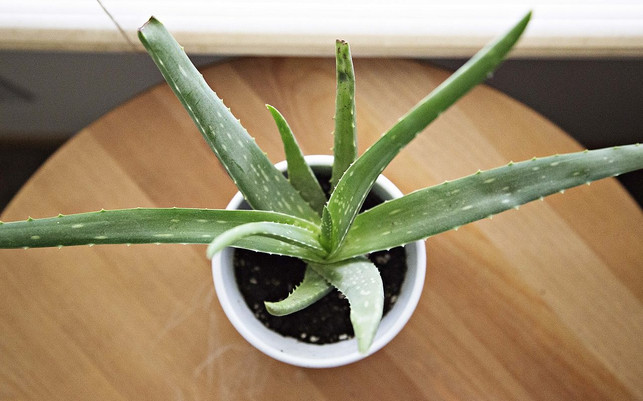
The moisturizing aloe vera protects the nasal mucosa from drying out. You can add half a teaspoon of pure aloe vera juice (without preservatives/additives) to the cooled salt solution. This is particularly beneficial when the air from the heating system is dry in winter. -
Honey (DO NOT use in the spray!)
Honey does have an antibacterial effect, but only in high concentrations. When diluted in the nasal spray, it loses this effect and the sugar it contains even serves as a breeding ground for bacteria in the water.
Better: If you have a cough or sore throat, take a teaspoon of pure honey. It has a calming effect on the throat without the risk of your nasal spray becoming contaminated. -
Essential oils (DO NOT use in spray!)
Essential oils (chamomile, thyme, sage) do not dissolve in water. They float on top, which can cause you to spray pure, irritating oil up your nose. In addition, oils such as peppermint or eucalyptus can cause life-threatening shortness of breath (glottic spasm) in infants and small children.
Better: Use essential oils in the classic way by inhaling over a bowl of hot water (head under a towel). In this way, the vapors reach the respiratory tract safely without directly irritating the sensitive nasal mucosa.
** marked with ** or orange underlined Links to sources of supply are partly partner links: If you buy here, you are actively supporting Techzle\.com, because we then receive a small part of the sales proceeds. More info.