
Also that strange steering wheel
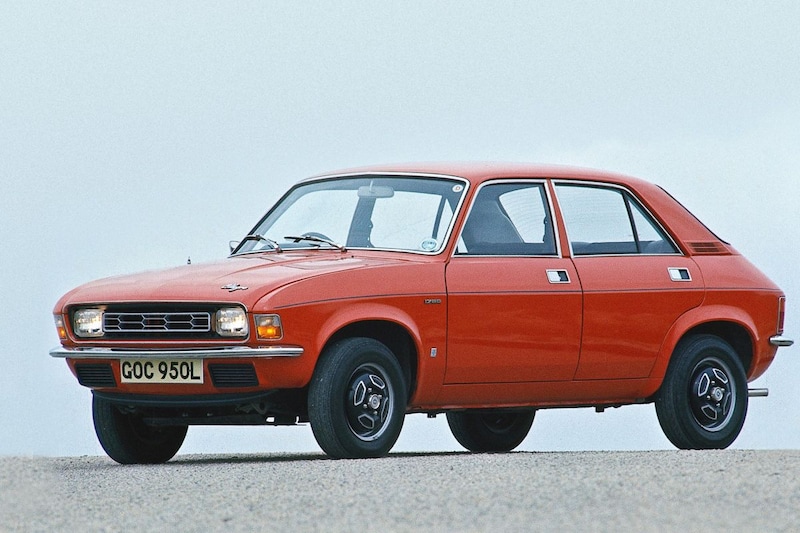
The Austin Allegro is not the first English car to be discussed in Guilty Pleasure, and it won’t be the last. Michiel Willebrands writes why he has a soft spot for the Allegro. He loves disaster boxes.
If I were to choose my own cars on rational grounds, I would probably still be deciding between a dealer-maintained Toyota and a Mercedes with few miles on the clock. No, I’m more into spontaneous impulse purchases, preferably Italian or American. Fortunately, I have always been spared major technical errors or other expensive troubles, although that may have been more luck than wisdom. I buy my cars based on farmer’s wisdom and a good feeling about the selling party. Character is more important to me than a solid rating on the TÜV report or a guaranteed residual value. A preference for potential disasters is therefore no stranger to me and if all the horror stories are anything to go by, I can buy an Austin Allegro with confidence. An English car always has to be made, so why not one that is known as one of the worst products to ever leave the island? Without fooling around: of course I’m not looking for a rotten ship, but I think that Allegro with its bulging body is such a charming thing that I forgive it all its flaws in advance.
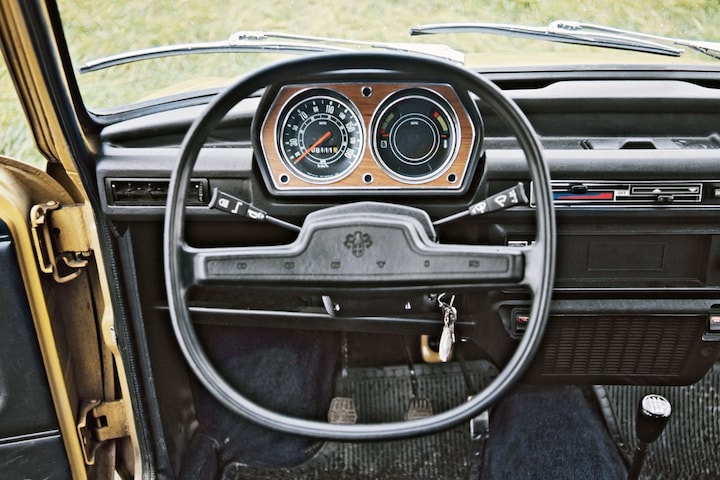
The Allegro was supposed to succeed the successful ADO16 family from British Leyland (including the Austin 1100/1300), but it actually had no chance in advance. The famous ‘square’ steering wheel was a favorite of Austin-Morris boss George Turnbull, a leftover from the Rover P8 that never went into production. According to him, it contributed to the avant-garde and high-tech appearance of the Allegro. However, that steering wheel became Jut’s head, the poster child for the antipathy that journalists received for the Allegro, even before the car appeared on the market. After a preview, their criticism of the steering wheel (and some other suggestions for improvements) was completely ignored by British Leyland. In their eyes, at least. In reality, the well-intentioned advice simply came far too late to be implemented. Although the signs were nevertheless quite good – the Allegro had enough to become a success – the public had difficulty getting used to the blown-up bodywork with that too narrow grille. Too unusual. No hatchback. And then also that strange steering wheel. Because the press did little to portray the Allegro in a favorable light – on the contrary – the car was doomed to failure. And he did so gloriously. When I mentioned the name Allegro on the editorial floor, designer and expert Peter Bol treated me to a ‘I can laugh about it now, but at the time I could have cried’ story about the British car. “During the summer holidays in France we drove it from garage to garage. No one had the right tools, there were no parts anywhere and the problems only got worse. When I returned, I thanked my father-in-law very much for the car he sold me…” Sounds like an ideal candidate to fill the garage of the Willebrands home.
– Thanks for information from Autoweek.nl