
In the fight against increased number of drunk drivers
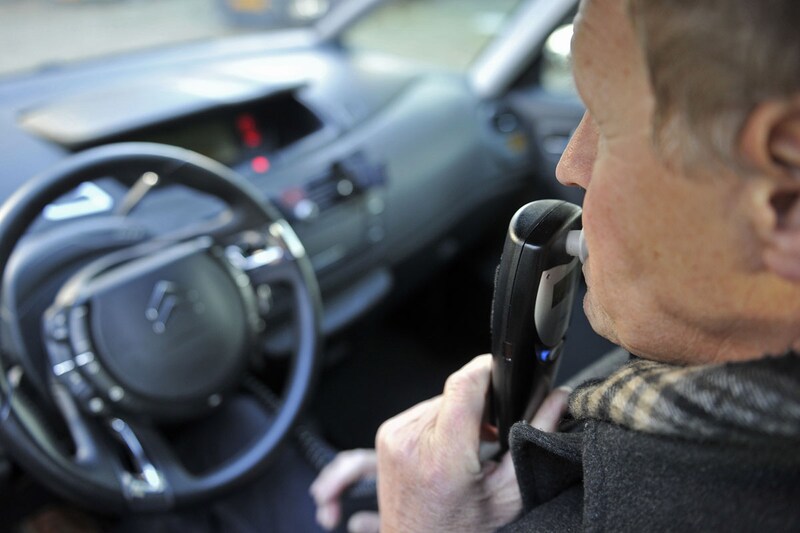
Mark Harbers (VVD) of the Ministry of Infrastructure and Water Management is investigating the possibilities of reintroducing the alcolock. The reason for this is the increasing number of drink drivers in the Netherlands. The study should be completed by the end of this year. Traffic authorities respond to the AD mainly positively to the idea of reintroducing the alcolock.
From 2011 to 2015, ‘the alcolock’ was a sanction that could be imposed by the CBR if you blew too high blood alcohol levels during a breath test. The idea: from now on your car will only start if you have not drunk anything – a kind of immobilizer for drunk drivers who were once caught. In essence a good idea, but in practice it was not well organized.
First of all, having the alcolock installed cost several thousand euros and was therefore far too expensive for many. Secondly, the punishment could only be imposed by the CBR, which – unlike a judge – was not allowed to request insight into the offender’s personal circumstances. Anyone who was caught with a certain percentage in his blood could therefore receive the punishment. Even if you were lucky for the first time, even if you couldn’t afford to install a lock at all. And then we are not even talking about the practical use of an alcolock. After all, a sober co-driver could blow into it before starting a car.
Alcolock is back in the news
Nevertheless, the Ministry of Infrastructure and Water Management is now investigating the possibilities for reintroducing the alcolock, the AD writes today. The number of drunk drivers has risen sharply in recent years. One of the reasons for this is that the subjective chance of being caught is very small. There are hardly any large-scale inspections by the police anymore, because the rise of social media has made its presence known far too quickly among the population, so that many drunk drivers soon know that they have to make a detour.
A reintroduction of the alcolock does not change the subjective chance of being caught, which raises the question of whether the measure can be effective against the increasing number of drunk drivers. Professor of administrative sanctions law Henny Sackers makes this comment. He therefore argues for short-term, smaller-scale police checks to increase the chance of being caught.
The alcolock is not suitable for this, but it can be an effective measure for drink drivers who have already blew a blood alcohol level that is much too high. Because it is much cheaper to install in more modern cars than in older cars, the costs are less than when the punitive measure was previously possible, according to CBR director Alexander Pechtold.
‘Action is needed’
In short: the alcolock is a sanction to ensure that notorious drunk drivers can no longer drive their cars in some cases, which can be better implemented – in cars and legislation – when reintroduced than was previously the case. Minister Harbers considers measures against the growing number of drink drivers to be urgently needed, which means that the alcolock is once again one of the options. The investigation into the possibilities for the sanction must be completed by the end of 2023, after which the ministry can consider possible reintroduction.
Do you think that the alcolock is an effective measure against the number of (accidents caused by) drunk drivers? Or: what do you think the ministry should do about people who get behind the wheel with alcohol?
– Thanks for information from Autoweek.nl