
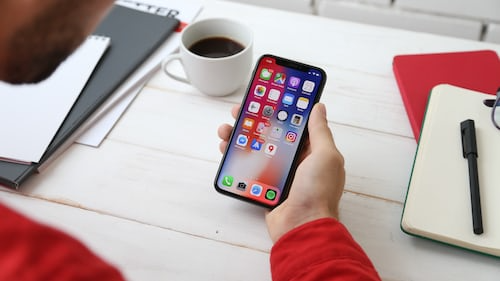
Mobile apps can be a great tool to help LGBTQ+ manage their addictions and recover from them. With the increasing availability of smartphones, mobile apps are becoming an increasingly popular way to access addiction recovery resources.
Moreover, mobile apps can provide users with access to recovery-related content and resources, such as podcasts, articles, and videos. Apps can also provide users with access to support groups and counselors, as well as track their recovery progress.
If you are looking for addiction recovery technology, you have many options to choose from. You can use apps, telemedicine, VR, or other types of technology for addiction recovery. You can also find the most appropriate technology for your needs and preferences by doing some research, contacting providers or programs, or visiting them in person. You can also expect personalized and comprehensive treatment that addresses your physical, mental,
Addicaid
This app offers recovery for several addictions, including alcohol and drug abuse. It features a 12-step recovery program, a chat function, a daily journal, a calculator for expenses, an eating regimen to help with cravings, hotlines to call for help, and more.
Recovery box
This app helps you track your behaviors and measure your success. You can customize a list of behaviors you want to keep up with and rate them based on a green, yellow, and red-light system. The app also shows you the situations that contribute to your addiction and helps you avoid them.
Sober Grid
This app connects you with other recovery users within a location-based virtual support group. You can chat with them, share your experiences and feelings, and get help when you need it. You can also tap the “Burning Desire” button to get help from someone close to you when you feel bad.
Pacifica
This app helps you cope with depression and anxiety by providing guided meditations, cognitive behavioral therapy (CBT) exercises, mood tracking, goal setting, and peer support. You can also access a therapist through the app if you need professional help.
Telemedicine
Telemedicine is the use of technology to provide health care services remotely. It can include phone calls, video calls, text messages, emails, or online platforms. Telemedicine can help addiction recovery in several ways, such as:
• Providing access to treatment and support for people who live in rural areas, have limited transportation, or have busy schedules
• Reducing the cost and time of traveling to a treatment facility or support group
• Increasing the privacy and confidentiality of those receiving treatment and support
• Offering more flexibility and convenience in scheduling appointments and sessions
• Expanding the range of options and choices for finding a suitable provider or program
Virtual reality
Virtual reality (VR) is technology that creates an immersive and realistic simulation of an environment or experience. It can be accessed through a headset, a computer, or a smartphone. VR can be useful for addiction recovery in several ways, such as:
• Providing exposure therapy for people with anxiety or phobias related to addiction. VR can create a safe and controlled environment where people can face their fears and learn to cope with them. For example, VR can simulate a bar, a party, or a drug dealer for people addicted to alcohol or drugs.
• Providing distraction therapy for people with cravings or pain related to addiction. VR can create a pleasant and engaging environment where people can focus their attention and divert their minds from cravings or pain. For example, VR can simulate a beach, a forest, or a game for people addicted to nicotine or opioids.
• Providing cognitive training for people with cognitive impairments related to addiction. VR can create a challenging and stimulating environment where people can practice and improve their thinking skills, such as memory, attention, problem-solving, and decision-making. For example, VR can simulate a maze, a puzzle, or a quiz for people addicted to methamphetamine or cocaine.
These are just some of the VR applications available for addiction recovery. You can find more applications by searching online or asking for recommendations from your doctor, therapist, or recovery coach. You can also read reviews and ratings from other users to see which application suits you best.
Conclusion
Technology can be a powerful ally in your addiction recovery journey. It can provide you with access to information, resources, tools, and support that can make your recovery easier and faster. It can also help you overcome some of the barriers that may prevent you from getting the help you need. These barriers include cost, distance, stigma, or lack of time. However, technology is not a substitute for professional treatment and support. You should always consult with your doctor, therapist, or recovery coach before using any technology for treatment.