
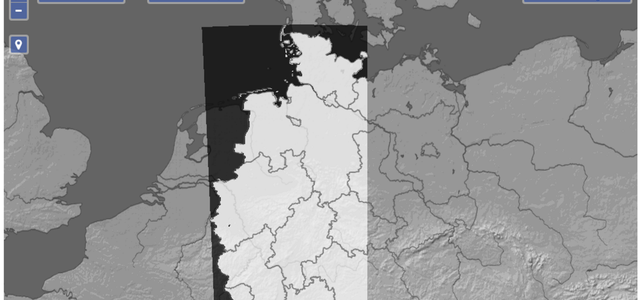
The oak processionary moth not only damages oak trees, but can also be dangerous to you. A new online tool helps you assess risk.
The German Weather Service (DWD) has been offering the PHENTHAUproc early warning system since 2025, a free online tool that provides a daily threat assessment for the oak processionary moth (Thaumetopoea processionea).
This gives you an interactive map to estimate when and where the oak processionary moth is likely to become active – as well as recommendations as to when and which measures might be useful.
Important: The tool does not show the actual infestation area or the number of caterpillars, but only a forecast based on climatic data.
The system was created as part of the research project ModEPSKlim (“Model-based risk assessment of the oak processionary moth in climate change”), funded by the Ministries of Food and Agriculture and the Environment (BMEL and BMUV).
Why are oak processionary moths problematic?
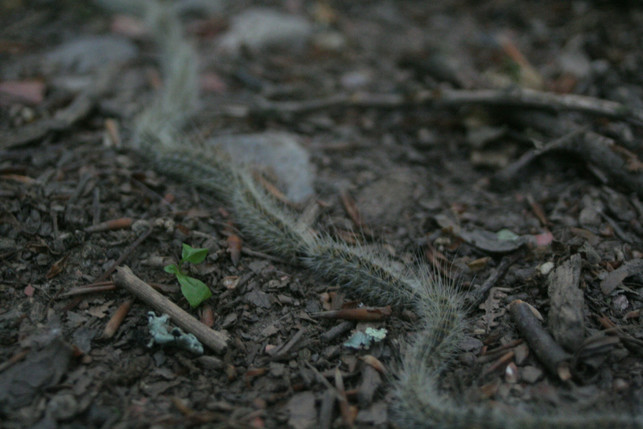
Oak processionary moth caterpillars aren’t just a problem for oak trees — they can also be dangerous for people and animals.
From the third larval stage onwards, the caterpillars develop tiny stinging hairs that contain a dangerous protein (thaumetopoein). These hairs can easily break off and spread into the air – for example in the wind, on clothing or on plants.
Contact with these stinging hairs can cause serious reactions, including:
- Severe itching, skin redness or hives (so-called caterpillar dermatitis)
- Irritation of the eyes (such as conjunctivitis), mucous membranes or respiratory tract; In sensitive people, even coughing, shortness of breath or asthmatic reactions.
- Animals can also be affected, for example when dogs or cats ingest the caterpillars or hair.
In addition to the health risk, in the event of a mass infestation, intensive feeding can severely damage the affected oak trees or even cause them to die – with negative consequences for the forest ecosystem.
How do you use the online tool?
Although the data on which the analysis is based is complicated, the tool is quite simple to use:
- Open the early warning system PHENTHAUproc at the DWD.
- Select your location or region on the map. You can search for it or enter your coordinates.
- You will then be shown how pronounced the development of EPS and English oak is – i.e. whether the butterfly’s activity can be expected in the specified space.
- You can use the display to assess whether there is currently an increased risk to health or trees. If you wish, you can also find recommendations for helpful measures.
Although the tool is primarily aimed at forestry, tree care, authorities and forest owners, it is freely available to the public and is also suitable for orientation for walks in the forest, park or garden.
What should you do if you spot or suspect oak processionary moths?
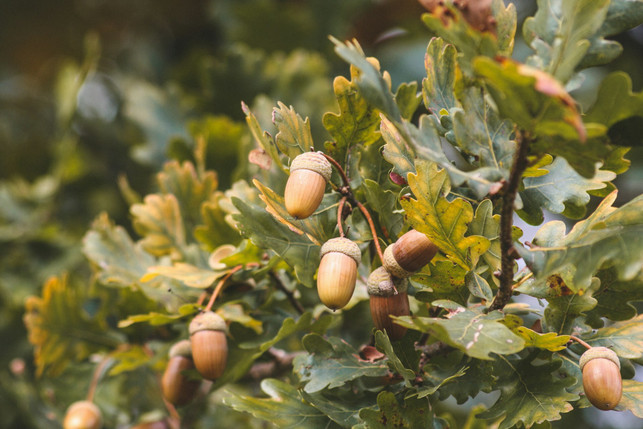
You can encounter oak processionary moths in the park, in the forest or even in your own garden. Then you should proceed carefully:
- Keep your distance: Do not touch caterpillars, nests or fallen webs. The stinging hairs are easily removable and can float in the air or stick to clothing.
- If necessary, inform the responsible authorities or specialists (municipalities, city administration, professional tree care). Only they are allowed to carry out removal or treatment. Unauthorized removal (such as by burning) can make the situation even more dangerous.
- If you or other people have had skin contact: Change clothing immediately and clean your skin with water. If you have any reactions (skin rash, difficulty breathing, eye irritation), you should seek medical advice.
- Use the DWD’s early warning system to be more informed – especially if you walk near oak trees, work in the garden or spend a lot of time outside. This is particularly worthwhile if the tool indicates an increased risk.
Important: The tool does not replace an on-site view. If you visit or care for oak trees, remain vigilant and report suspected cases to professionals rather than doing it yourself.
Read more on Techzle\.com:
- Camping in the garden – allowed or forbidden? The legal situation explained
- Dangers in the garden: 10 things that harm nature and health
- Garden leaf beetle: This is how you get rid of the pest
** marked with ** or orange underlined Links to sources of supply are partly partner links: If you buy here, you are actively supporting Techzle\.com, because we then receive a small part of the sales proceeds. More info.