
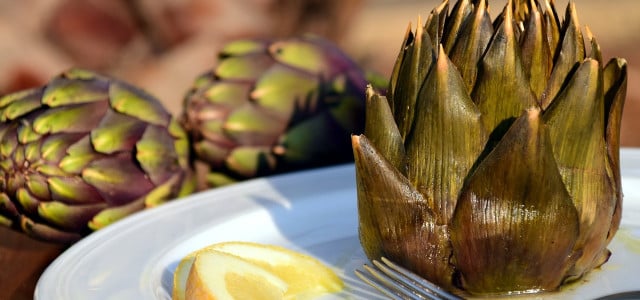
Prebiotics are certain indigestible food components that can have a positive effect on the intestinal flora. In this article, you will learn exactly how prebiotics work and which foods contain them.
Prebiotics should not be confused with probiotics, but they are certainly important for them. Together they are also known as synbiotics and play a central role in the intestinal flora, which in turn is essential for digestion and the immune system, among other things.
To stay healthy in the long term, you should regularly include prebiotic foods in your diet – and it’s not that difficult.
Prebiotics: food for the good intestinal bacteria
(Photo: CC0 / Pixabay / skeeze)
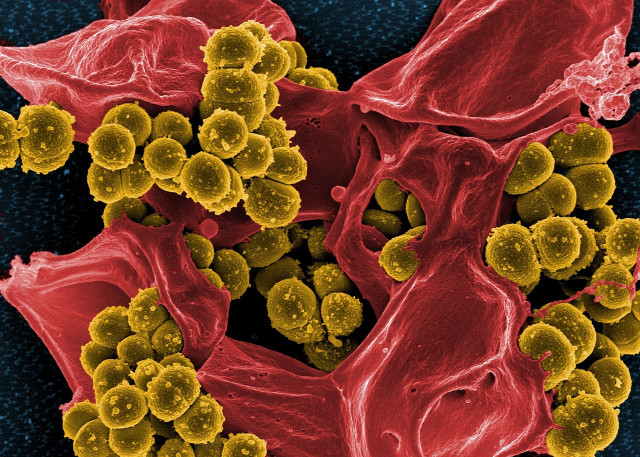
The human intestine is home to trillions of microorganisms, which together are also known as the microbiome and form the natural intestinal flora. In a healthy intestine, the health-promoting, “good” bacteria predominate. If the natural balance gets out of control, harmful germs can gain the upper hand, which can lead to massive health problems.
A disturbed intestinal flora, for example as a result of taking antibiotics, can be balanced out with a balanced diet and probiotic foods. We refer to certain strains of bacteria as probiotics that arrive alive in the intestine and are also welcome there.
And now prebiotics come into play: these fibers reach the large intestine undigested, where they are broken down and fermented by the colon flora. To put it more simply: prebiotics are the food for useful intestinal bacteria, especially bifidobacteria. Prebiotics therefore contribute to a healthy intestinal flora, as the German Nutrition Society (DGE) reports.
Prebiotics: How important they are for our health
(Photo: CC0 / Pixabay / derneuemann)
A healthy intestinal flora has a positive effect on our health in many ways. A healthy intestine plays an important role in our immune system: people with a healthy intestine get sick less often.
According to the DGE, prebiotics also have other positive effects:
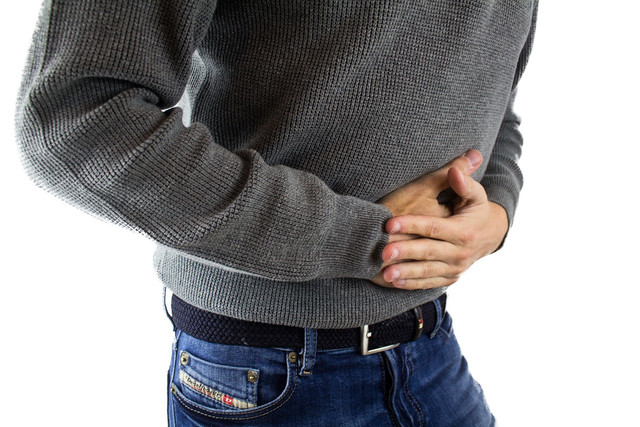
- They can stimulate digestion, increase stool frequency and thus prevent constipation.
- Certain strains of bacteria that can potentially cause disease, such as Clostridium or E. coli, have their growth inhibited by prebiotics.
- The risk of diarrhea is reduced.
- Prebiotics can reduce the risk of colon tumors.
- If cholesterol levels are too high, the concentration of LDL cholesterol in the blood is lowered.
- Fermentation of prebiotics in the large intestine lowers the pH value. This creates an acidic environment that allows calcium, iron and magnesium to be better absorbed, which in turn can prevent osteoporosis, among other things.
There are no known serious side effects. According to the DGE, sensitive people may experience flatulence and diarrhea.
Prebiotic foods: These belong on the menu
(Photo: CC0 / Pixabay / monicore)
The most important prebiotics include oligosaccharides such as inulin and oligofructose. These are added to numerous foods, including baked goods, cereals, dairy products and fruit juices. Manufacturers hope to make these products richer in fiber and therefore “healthier”. Inulin is also used as a binding agent and provides a slight sweetness.
However, many of these processed foods are full of ingredients and additives that are not good for our health. We therefore recommend that you choose foods that naturally contain prebiotic substances:
- Elecampane root
- artichokes
- chicory
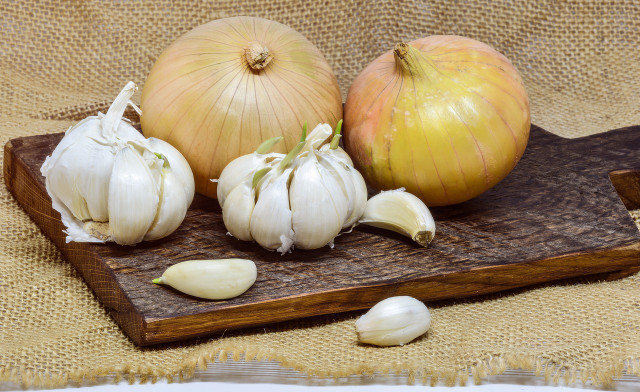
- Garlic
- Leek
- dandelion
- Parsnips
- Black salsify
- asparagus
- Jerusalem artichoke
- Onions
- legumes
-
Grains such as oats and rye (whole grain)
Resistant starch is also considered a prebiotic. It is formed, for example, when you let cooked potatoes or rice cool for a few hours.
This is how much prebiotics you should consume
In order for prebiotics to be effective, a minimum amount of five grams per day is recommended. With a balanced diet, this is not a problem. An example meal plan could look like this:
-
Breakfast: Oatmeal muesli or cooled porridge with fruit, vegan milk and nuts
-
Lunch: Vegetable pan with onions and asparagus, served with parsnip puree
-
Dinner: boiled potatoes with boiled beans
Read more on Techzle\.com:
- Light food for diarrhoea: recipes for light food for gastrointestinal problems
- Irritable bowel syndrome: Where it comes from and what diet helps
- Colon cleansing and colon rehabilitation: These are the differences
Edited by Denise Schmucker
** marked with ** or orange underlined Links to sources are partly affiliate links: If you buy here, you are actively supporting Techzle\.com, because we then receive a small part of the sales proceeds. .