
In 2030 65 instead of 15 percent
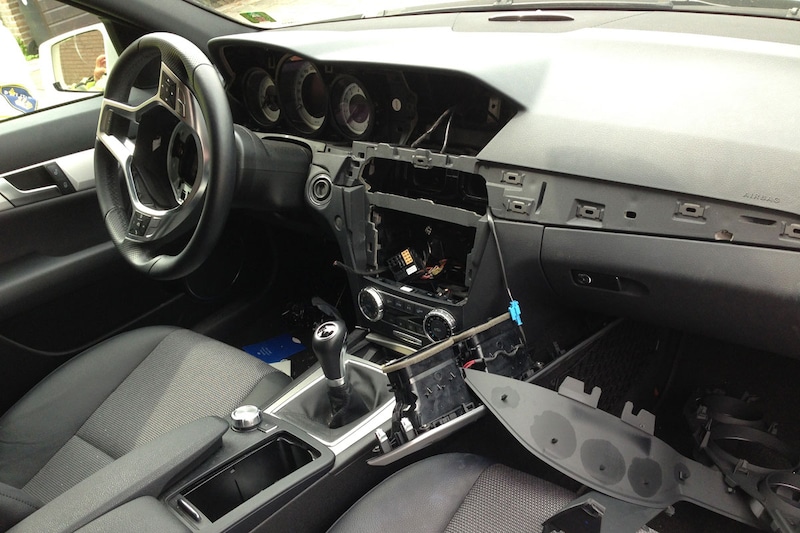
RIVM has conducted research into how well plastics from end-of-life vehicles can be recycled. From this it concludes that in 2030 at least four times more plastic can be recycled than is currently the case. Profits can be made, especially through developments in chemical recycling. According to the government body, it is therefore necessary that they are stimulated.
The National Institute for Public Health and the Environment publishes a research report entitled ‘Chemical recycling of plastics from vehicles: towards a safe and circular economy’. This shows that 85 percent of the plastics from end-of-life cars are currently incinerated. Only 15 percent of plastic materials end up as reusable raw materials. The institute then investigated whether this could be improved and concluded that there are possibilities to recycle at least 65 percent usable from 2030.
Particularly by making more use of chemical recycling methods, gains can be made (chemical recycling is the breaking down of materials by means of chemicals). RIVM says legal and economic incentives are needed to push the technology. Think of minimum recycling percentages of discarded plastic from cars and a legal minimum for the amount of recycled materials used in new cars. After all, recycling must serve a purpose.
If possible, reuse everything from 2050
RIVM’s research contributes to the Dutch ambition to be fully circular by 2050. From then on, no more raw materials may be lost unnecessarily. Because cars contain many different types of plastic, the automotive industry is ideally placed to develop chemical recycling technology. Currently, mechanical recycling is still often used for car parts, in which materials are ground and then melted. Chemical recycling requires less incineration, is cleaner and more often results in more reusable materials.
It should be noted, however, that the plastic type polyurethane, which accounts for 24 percent of most plastic car parts, is not easy to recycle through chemical recycling. Partly because of this, recycling automotive plastics is only realistic for 65 percent in the short term. More research, whether or not pushed by legislation, should provide solutions for the 2050 objectives.
– Thanks for information from Autoweek.nl