

Sensitive skin feels tight, itchy and simply uncomfortable. The problem can have many causes – but there are also a few things you can do to help your skin.
Sensitive skin reacts with stinging, burning, pain, itching or tingling to stimuli that do not normally trigger such reactions. This basic definition for sensitive skin was developed by a specialist group on the topic, consisting of scientists from all over the world.
For people with sensitive skin, such sensations are not necessarily limited to the face but can appear anywhere on the body. For example, if your shins start to itch in winter, your skin feels rough and flaky, or red spots appear on your décolleté after you apply the new body lotion.
Causes of sensitive skin
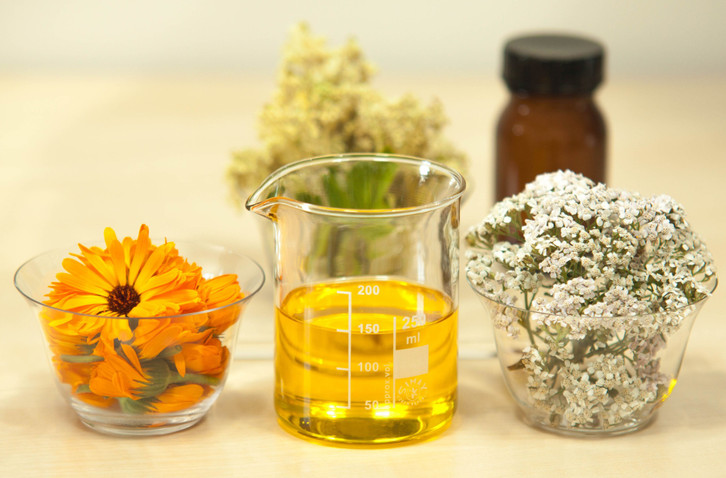
With sensitive skin, the natural skin barrier is generally disturbed and the nerve endings are irritated. The causes for this can be very different. Studies name three categories of trigger factors:
-
Psychological factors – which arise from disorders in the organism itself, such as stress and psychological strain. Other studies also include hormonal fluctuations as trigger factors.
-
Chemical factors – active ingredients in cosmetic products, but also water or air pollution.
-
Physical factors – UV radiation or heat and wind, which can affect skin with a weakened protective barrier. In winter, the dry air from the heating also has a negative effect on the skin.
These factors can cause the skin’s natural protection to be weakened. It loses moisture and can react sensitively. Redness or extremely dry areas of skin appear that can itch and flake.
Sensitive skin is often a side effect of some skin diseases. These include, for example, neurodermatitis, rosacea or perioral dermatitis, which causes redness and blistering around the mouth and nose.
Help with sensitive skin: This is what you can do
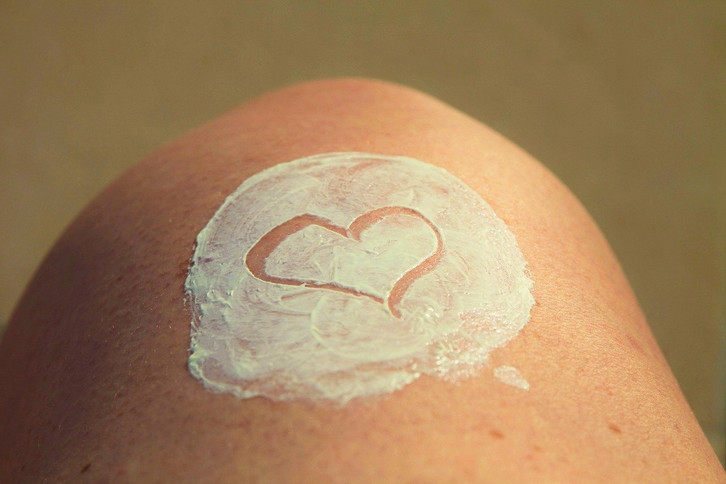
Before we give you tips for your sensitive skin, you should keep one thing in mind: If you have been suffering from sensitive skin for a long time and there is no improvement in sight, you should seek medical advice. Otherwise:
-
Facial care – Use facial creams with as few artificial ingredients as possible. Avoid ingredients such as alcohol, fragrances and preservatives. Natural cosmetic brands that use natural ingredients are recommended. You can use the seals for certified natural cosmetics from our overview as a guide – or get advice from the pharmacy. Tip: You can find the best face creams in our best face cream list.
-
Body care – As with facial care, the same applies here: sensitive skin tolerates natural ingredients better. Therefore, separate yourself from aggressive shampoos and shower gels. Also pay attention to the ingredients in these products. By the way, you can make both of them yourself. You can read how to do this in our instructions “Make your own organic shampoo” and “Make your own shower gel”.
-
Water that’s too hot – If you like to take hot showers or baths, it can dry out your skin. She then often reacts sensitively. If you notice that your skin is starting to feel tight, treat it to an extra dose of moisturizer. The general rule is: Showers that are too long or too hot can damage the skin. Plus, it doesn’t have to be a long shower every day.
-
UV protection – Protect your skin from the sun. This is especially true in summer, but UV rays also put a strain on your skin in winter. There are now many day creams and make-up products that contain UV protection.
-
After shaving – After shaving your beard, use a mild aftershave lotion that contains less alcohol. For example, after shaving leg or armpit hair, you can apply aloe vera gel. Tip: Like shampoo and shower gel, you can also make aloe vera gel yourself.
Revised by Martina Naumann
Read more on Techzle\.com:
- Dry scalp: These home remedies help
- Make your own face mask: Natural recipes for clear skin
- Dry facial skin: The right diet, care and effective home remedies
** marked with ** or orange underlined Links to sources of supply are partly partner links: If you buy here, you are actively supporting Techzle\.com, because we then receive a small part of the sales proceeds. More info.