
Joint venture is being considered
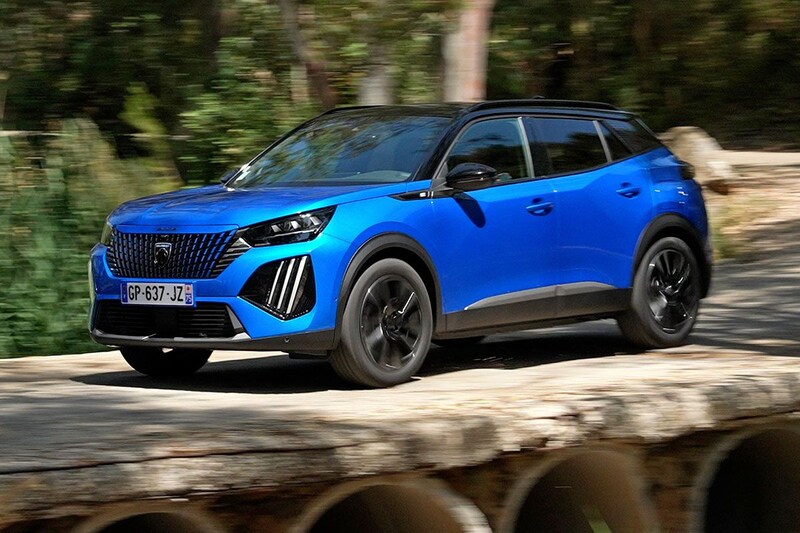
Stellantis does not take half measures when it comes to the supply of EV batteries. After an earlier joint venture, the car company has now entered into an agreement with the Chinese battery giant CATL, specifically for the supply of LFP batteries for European cars.
CATL is the largest global supplier of car batteries and has a market share that is often somewhere between 30 and 40 percent, although that role is becoming less obvious due to new and emerging parties. Stellantis, which we mainly know in Europe for the brands Peugeot, Citroën, Opel, Jeep and Fiat, is now closing a serious deal with CATL. It is not clear exactly how serious that deal is due to the lack of monetary amounts, but we do know that it specifically concerns the supply of LFP batteries for compact models that must be delivered in Europe.
The lithium iron phosphate battery has a lower energy density than the more common NMC battery, but does not contain rare earth metals and is cheaper to produce. We often find LFP batteries in cheaper EVs or the basic versions of common EVs, such as the rear-wheel drive version of the Tesla Model 3 or the upcoming entry-level version of the Volvo EX30.
Stellantis also seems to want to use the LFP batteries for relatively compact and affordable models from the B and C segments. Because this car manufacturer also has major ambitions when it comes to electric driving – namely 100 percent electric in Europe by 2030 – a stable and abundant battery supply is of vital importance. Stellantis and CATL appear to be firmly embracing each other and say they are even considering setting up a joint venture.
Stellantis previously also established such a joint subsidiary with Mercedes. The two will build batteries together in Europe under the name Automotive Cells Company (ACC). That plan is separate from the deal with CATL, Stellantis reports to AutoWeek. The two can easily coexist, because as mentioned, there will be no such thing as ‘too many batteries’ in the near future.
– Thanks for information from Autoweek.nl