
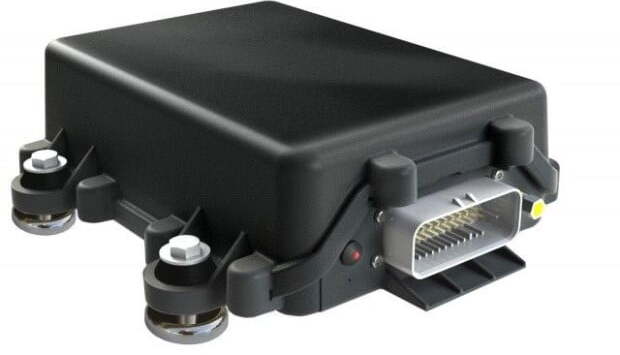
© DR
From July 6, 2022, new vehicles sold in Europe must be fitted with a black box, like the one already fitted to aircraft. But how does it work and what is its purpose?
Since July 6, new vehicles sold in Europe will have to incorporate new safety equipment if they wish to be approved. Emergency braking assistance, intelligent cruise control or even lane keeping assistance are part of the specifications to be respected. But in the list of new mandatory equipment, there is one that raises many more questions: the black box. Indeed, new vehicles sold from today will have to carry a box that will be able to record various data in the event of an accident. Just like airplane black boxes.
If the usefulness of the box to understand the causes of an accident seems obvious, the fact remains that its mandatory integration raises questions. What data will this black box be able to collect? How does it work? And, above all, who will have access to the data after the accident? We take stock.
Which vehicles will carry this black box?
The black box will be essential for the approval of a car in Europe. In other words, almost all new vehicles sold from July 6 could be equipped with it. Why this shade? Quite simply because the set-up procedure is done in two stages. On the one hand, there is the approval of the vehicle, then its registration. In other words, a model released very recently, say the Audi Q4 e-tron Sportback that we tested recently, will not necessarily be equipped with it. But any other car that would be proposed for approval from July 6, will not be able to escape it. An MG4 or a Hyundai Ioniq 6, for example, which has just been announced, but which has not yet been homologated, will have to go through the black box box. Finally, from July 6, 2024, the obligation to integrate a black box will extend to all new vehicles, without exception.
This therefore does not apply to vehicles already in circulation. It is not necessary to contact your mechanic to install the device. On the other hand, if you buy a car in the days or months that follow, keep in mind that it may be equipped with it. Finally, black boxes will also not be installed on used cars, regardless of when they were sold.
How does the automotive black box work?
The black box is considered an “automated security device”. In other words, it will only be able to record the data for which it has been programmed. According to Regulation (EU) 2019/2144 of the European Parliament, the black box is able to record data during the 30 seconds preceding the accident and during the 10 seconds following the impact. The device is not allowed to operate outside of these specific phases.
What data is analyzed by the car black box?
The black box will have access to the so-called sensitive organs of the car (braking, steering, accelerator, indicators, etc.). As a result, it will be able to record the following data:
- Speed
- Acceleration or braking phases
- The activation or not of the turn signal
- Wearing a seat belt
- Collision force
- The engine speed
- The tilt of the car
On the other hand, unlike the black boxes in the planes, that of the cars is not able to capture audio, or more precisely the sounds in the cabin.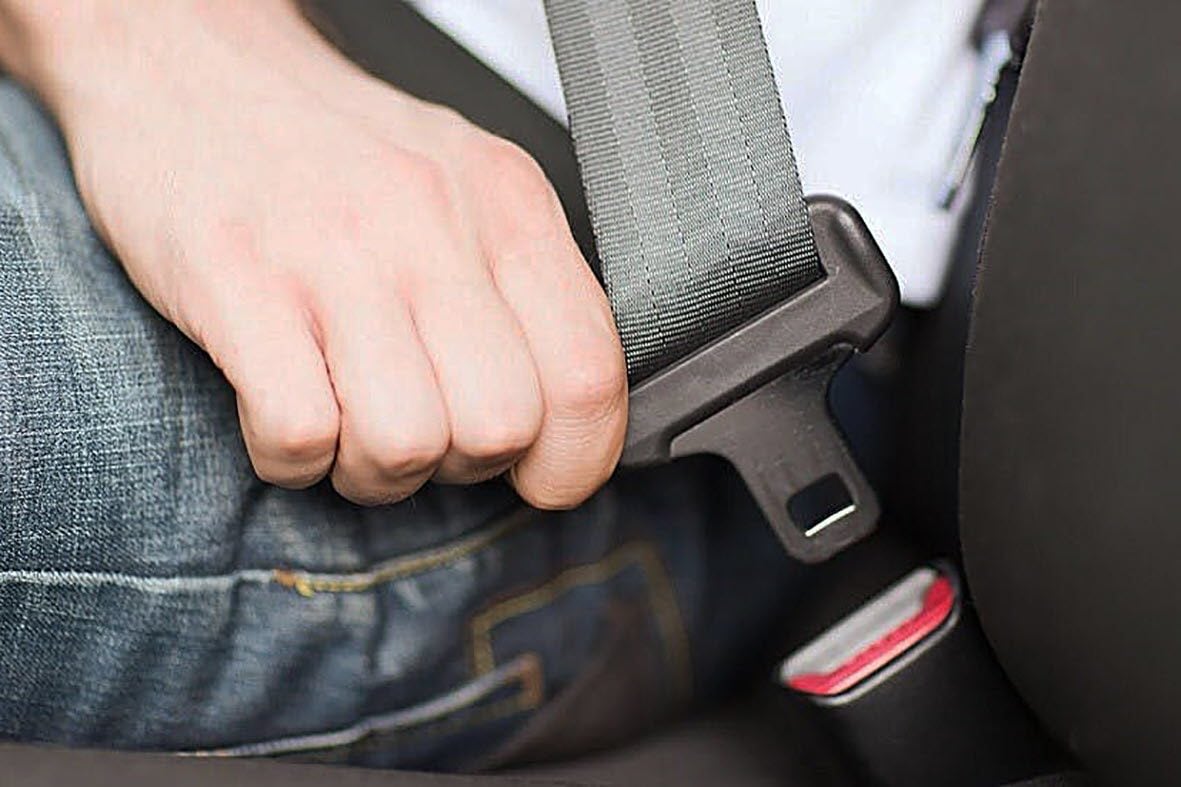
Who will have access to the data?
This is obviously the thorniest issue of this new measure. The government website, service-public.frexplains that “only investigators, judicial authorities or research institutes should have access to black box data”.
In other words, this data would only be accessible on legal request to determine, for example, the circumstances of a serious accident. As for research institutes, they could have access to this “anonymised” data in order to study accident factors on a larger scale.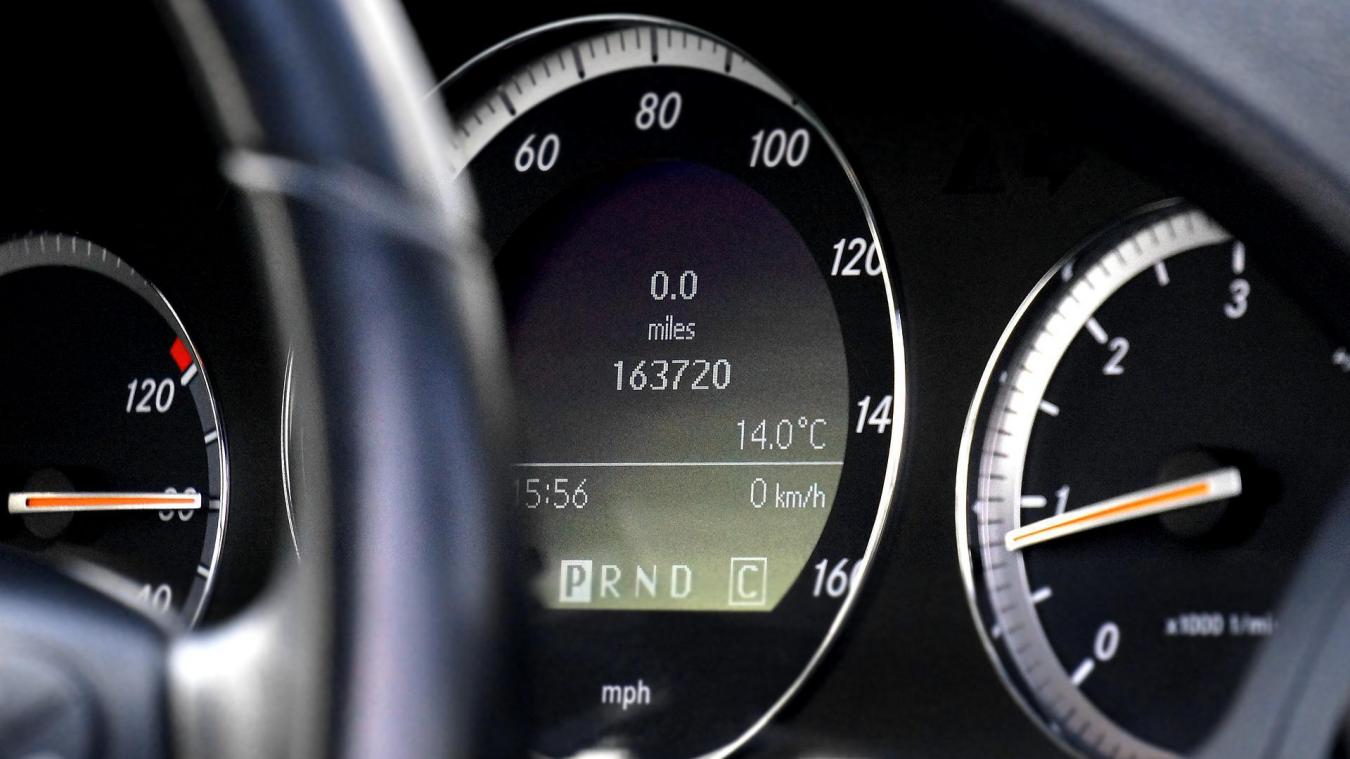
What about insurers? They will not have access to this data and will not be able to use it.
Nevertheless, this does not prevent certain voices from rising against the new risks induced by black boxes. Thus, Pierre Chasseray, general delegate of the Association 40 million motorists explains to our colleagues from Dauphiné:
“By concealing a data recorder in cars, we hope to deter bad behavior and thus limit accidents. But motorists should not be taken for fools: they are perfectly aware that as it is designed, this kind of device can have no impact on offenses and truly accident-prone behavior such as the refusal of priority ( 16% of fatal accidents), use of the telephone while driving (about 10%), drowsiness and loss of attention (10 to 15%).
In addition, the recorded data is only kept and possibly analyzed in the event of a shock, 30 seconds before and 30 seconds after the event. The tool can therefore in no way prevent or prevent the accident”.
Is this the first “surveillance” device installed on private cars?
Contrary to what one might think, this is not a first in Europe. Since 2020, another device, less known, but with less controversial potential, has been fitted to new cars. This is the OBFCM (Onboard fuel consumption monitoring). It is used to measure the actual consumption of cars and to compare it with the figures announced during their homologation. Objective ? Avoid the kind of practices that resulted in Dieselgate and ensure more transparency for car owners.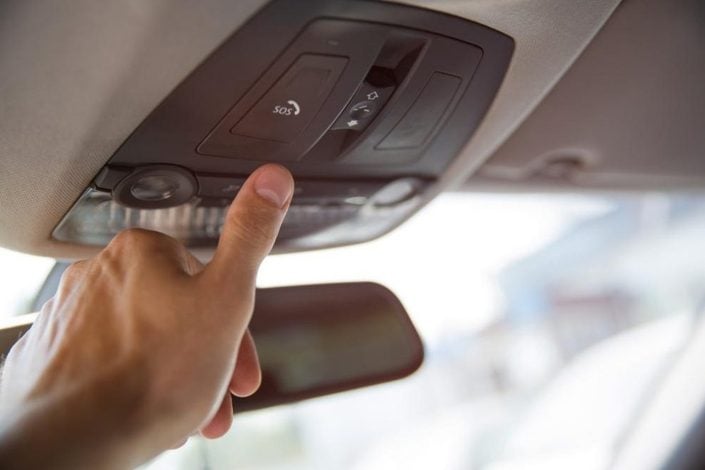
Although this is not a European example, it is possible to look across the Atlantic. In the United States, black boxes have been fitted to vehicles since 2012.
Finally, what about the e-call introduced in 2018 and which has been fitted to all cars since that year? This device connects all the cars connected to the network, thanks to their GPS. Its objective: to notify the emergency services as quickly as possible in the event of an accident.
Can the black box be hacked?
This is the other sensitive issue in this dossier. Since the black box is nothing more than an electronic device connected to the car, the risk of hacking cannot be completely excluded.
Will the black box drive up car prices?
Adding additional equipment to a vehicle necessarily involves an additional cost. The Association 40 million motorists estimates that it could be 100 or 150 euros, but in a context of general increase in the price of cars and their equipment, this price increase, as innocuous as it may seem, does not can be neglected. Unless the user can find his account otherwise… on a potential drop in his insurance premium.
The French Insurance Federation has already announced that it will not take into account the device in the development of its rates. But in practice, the American example tends to prove the opposite since the average price of the premium there has fallen since the introduction of black boxes.