
Well below the EU average
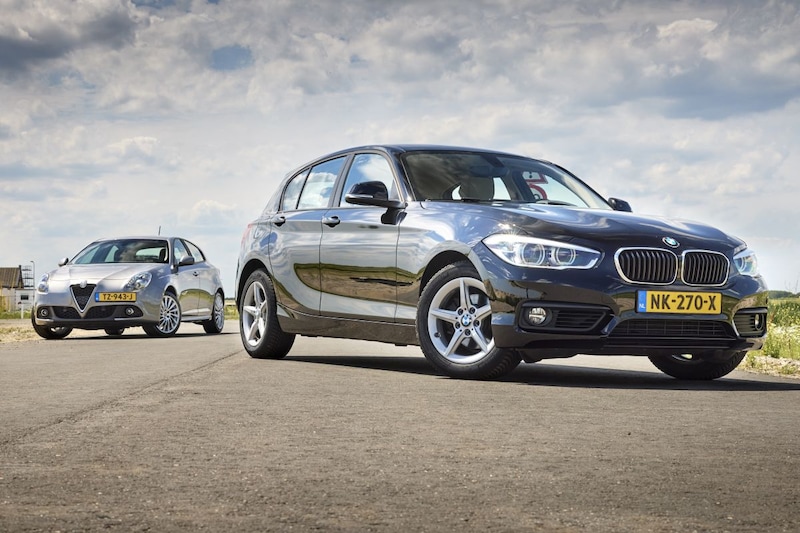
In the Netherlands, passenger cars are on average older than in any other Western European country. However, the average age of a Dutch passenger car is just below the EU average.
The most recent figures from the sector organization European Automobile Manufacturers Association (ACEA) show that the average Dutch passenger car in 2021 was 11.4 years old. This means that passenger cars in the Netherlands are on average older than in other Western European countries. In 2019, an average passenger car in the Netherlands was still 11 years old. Incidentally, it recently appeared that the majority of cars in the Netherlands are more than ten years old.
In Belgium and Germany passenger cars are on average 9.5 and 10.1 years old. In France, a car is on average 10.5 years old and in the United Kingdom 10 years old. Luxembourg therefore has the youngest cars in Europe, a passenger car is 7.6 years old on average. In Greece, cars are on average the oldest. The average passenger car is 17 years old. Also in Estonia (16.8 years) and the Czech Republic (15.6 years) the fleet is on average no longer young. The average age of a passenger car in the European Union was 12.0 years in 2021, so the Netherlands will remain just above that. According to ACEA, in 2021 the Dutch car fleet will have nearly 4.5 million cars that are ten years old or older.
In 2021, light commercial vehicles in the Netherlands were on average 9.9 years old. The average age of a light commercial vehicle in the European Union will be 12 years in 2021. Austria has the youngest orderers (6.2 years old on average). On average, Greece not only has the oldest passenger cars in Europe, but also the oldest commercial vehicles. A light commercial vehicle was no less than 29.8 years old in 2021.
Also interesting: in the Netherlands in 2021 there were 523 passenger cars for every 1,000 inhabitants. That was 520 a year earlier and 517 in 2019. If we look at the entire European Union, in 2021 there were an average of 567 cars per 1,000 inhabitants. Poland has the most cars per 1,000 inhabitants: 684 units. Romania the least: 396 pieces.
More than half petrol car
51.1 percent of all passenger cars driving around in the European Union in 2021 will have a petrol engine. 41.9 percent of the fleet had a diesel engine under the hood that year and only 0.8 percent had an electric powertrain in 2021. So a tiny share was an EV in 2021, but there were even fewer plug-ins. The share of plug-in hybrids in 2021 was only 0.7 percent.
– Thanks for information from Autoweek.nl