
Cryptocurrency, spearheaded by Bitcoin, has transformed the financial landscape, with mining at its core—a pivotal process ensuring network security and transaction validation. Comprehensive knowledge of Bitcoin mining economics is imperative for both investors and enthusiasts. Within this article, we will extensively explore the intricacies of Bitcoin mining, scrutinizing its costs, advantages, and sustainability. It’s noteworthy that innovative solutions like Immediate Coraldex have arisen, offering users distinct avenues to engage with digital currencies beyond traditional mining methods. This website serves as a gateway to investing enlightenment by connecting both parties and allowing people to access related content in just minutes.
How Bitcoin Mining Works
Bitcoin operates on a decentralized ledger called the blockchain, which is maintained through a consensus mechanism known as proof-of-work (PoW). Miners play a pivotal role in this system by solving complex mathematical puzzles to validate and record transactions on the blockchain.
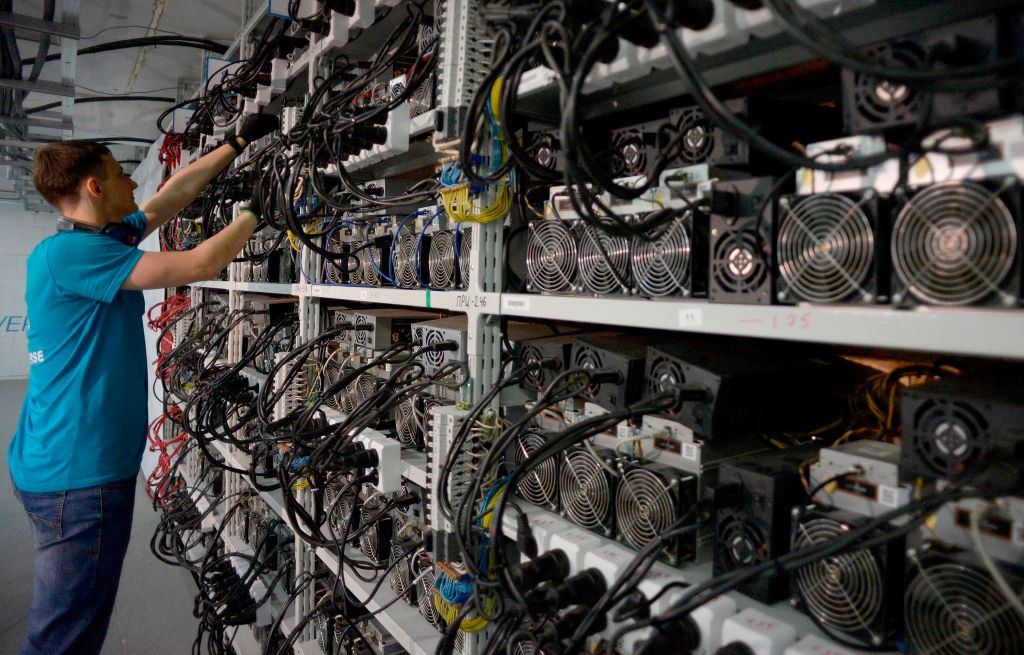
To accomplish this task, miners use specialized hardware, known as mining rigs, and software to perform these calculations. These rigs have evolved significantly over the years, from CPUs to GPUs, and ultimately to ASICs (Application-Specific Integrated Circuits), which are custom-designed for mining. ASICs offer unparalleled processing power, but they come at a substantial initial cost.
The Cost of Mining Bitcoin
Hardware and Energy Costs
The primary cost of mining Bitcoin stems from the acquisition of mining hardware and the electricity required to run it. ASIC miners can cost thousands of dollars per unit, making entry into mining a capital-intensive endeavor. Additionally, mining rigs consume a substantial amount of electricity, which varies based on factors like energy prices and the efficiency of the hardware.
Geographical considerations are also vital. Some regions offer significantly lower electricity costs, making them attractive destinations for miners. For instance, areas with access to cheap hydropower or geothermal energy often host large mining operations. Conversely, high electricity costs can severely impact a miner’s profitability.
Operational Costs
Apart from hardware and energy expenses, miners must account for operational costs. These include cooling and maintenance, which are necessary to prevent overheating and hardware degradation. Efficient cooling solutions are essential, especially in regions with high temperatures.
Labor costs and infrastructure expenses add to the operational overhead. Mining facilities require constant monitoring and maintenance, and skilled personnel are needed to handle technical issues and ensure the smooth operation of the mining farm.
Mining Pools and Competition
Concept of Mining Pools
To mitigate the high variance in mining rewards and increase their chances of earning a consistent income, many miners join mining pools. These pools are collective efforts where miners combine their computational power to solve blocks more frequently. When a block is successfully mined, the rewards are distributed among pool members based on their contribution.
Advantages and Disadvantages
Mining pools offer several advantages, such as steady and more predictable income streams. However, they also come with a drawback—pool members must share the rewards, which can reduce the individual share of Bitcoin earned. Choosing whether to mine solo or join a pool depends on factors like hardware capability and risk tolerance.
The Competitive Nature of Bitcoin Mining
Bitcoin mining has become increasingly competitive over the years. The network adjusts the mining difficulty approximately every two weeks to maintain a constant block production rate of approximately one every ten minutes. As more miners join the network, the difficulty increases, making it harder to mine new blocks. This ensures that the Bitcoin network remains secure but also makes it more challenging for individual miners to compete.
Concentration of Mining Power
The competitive nature of Bitcoin mining has led to the concentration of mining power in the hands of a few large mining pools and operations. This concentration has sparked debates about the centralization of the network and its implications for decentralization and security.
Bitcoin’s Price and Mining Economics
The Relationship with Bitcoin’s Price
The price of Bitcoin has a direct impact on mining profitability. When Bitcoin’s price rises, mining becomes more lucrative, as the value of the mined coins increases. Conversely, during bear markets, miners may struggle to cover their operational costs. This relationship between price and profitability can lead to fluctuations in mining activity.
The Concept of Mining Difficulty
To maintain a ten-minute block production time, the Bitcoin network adjusts the mining difficulty level. When more miners join the network, the difficulty increases, and vice versa. This adjustment mechanism ensures that the network remains secure and that blocks are mined at a consistent rate.
Halving Events
Approximately every four years, a Bitcoin halving event occurs, reducing the block reward that miners receive by half. This event has a significant impact on mining economics, as it reduces the rate at which new Bitcoins are created. Miners must adapt to these events by optimizing their operations and seeking efficiencies to maintain profitability.
Environmental Concerns and Sustainability
Carbon Footprint
Bitcoin mining has come under scrutiny due to its energy consumption. Many mining operations rely on fossil fuels, contributing to a substantial carbon footprint. The environmental impact of Bitcoin mining has prompted discussions about transitioning to greener energy sources, such as renewable energy.
Sustainability Debate
The sustainability of Bitcoin mining is a topic of ongoing debate. While some argue that the environmental concerns are overstated and that mining can be made more sustainable, others advocate for stricter regulations and cleaner energy sources to reduce Bitcoin’s impact on the environment.
Transition to Greener Practices
Some miners are actively seeking to reduce their carbon footprint by using renewable energy sources like wind, solar, and hydroelectric power. Initiatives to repurpose wasted energy from other industries, such as flared natural gas, have also emerged. These efforts aim to make Bitcoin mining more environmentally sustainable.
Regulatory and Geopolitical Challenges
Regulatory Landscape
The regulatory landscape for Bitcoin mining varies widely across different countries. Some governments have embraced it as an opportunity for economic growth, while others have imposed strict regulations or outright bans. The regulatory environment can significantly impact the feasibility of mining in a particular region.
Government Policies
Government policies, such as tax incentives or subsidies, can influence the profitability of mining operations. Additionally, geopolitical factors like trade tensions or international conflicts can disrupt mining activities and supply chains, affecting miners’ bottom lines.
Conclusion
The economics of mining Bitcoin are multifaceted, encompassing hardware and energy costs, competition, price fluctuations, environmental concerns, and regulatory challenges. As the cryptocurrency landscape continues to evolve, understanding these dynamics is crucial for anyone involved in or interested in the world of Bitcoin mining. Balancing profitability with sustainability will be a key challenge as the industry moves forward, and miners adapt to changing market conditions and global dynamics.