
Niels van Roij explains

In car designer jargon, car designer Niels van Roij explains the terminology designers use when discussing a design. This episode is about shutlines, stance and surfacing. On the basis of examples on well-known car models, it becomes clear what it is.
Shutlines:
Any place on a car where two body panels meet has a dividing seam. These lines may only seem strictly necessary and of little importance to the design of a vehicle, but they can enhance or greatly diminish the overall impression of a design. They are an integral part of the design. Some dividing seams are even an essential element of the brand DNA. Think of the first generation of the Audi TT, where the hardness and geometry of the body shape are emphasized by the dividing seams that separate the bonnet and fender. Or all Range Rovers, where the featureline on the flank becomes the shutline of the bonnet.


Stance:
The way a car stands on its wheels is called stance. The stance is a broad term that deals with the mutual relationship between the diameter of the wheel, the type of tyre, the track width of the car and the way in which the combination of wheel and tire is fitted in the wheel arch.
The position of the wheels and the relationship of the wheels to the wheel arches and the surrounding bodywork are also important for a good stance. Reducing the distance between the tires and wheel arch edges to create a more dynamic stance can be achieved in a number of ways. Pushing the wheels out, fitting wider wheels, increasing the diameter of the wheels and lowering the car are methods used to make a sportier stance to create. The front and rear overhangs and the position of the cab within the body also contribute to the stance.
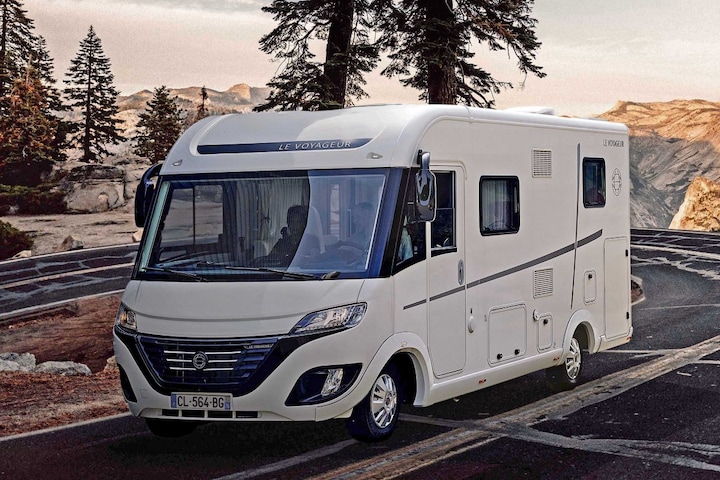
Motorhomes often have a huge body overbite over the wheel: the wheel is set way in. Such campers therefore have a very weak stance, comparable to a human on knock knees. An all-terrain vehicle with coarse tires protruding from the body has a tough stance, like a bodybuilder standing wide-legged.
Large wheels are important for good stance, but are expensive to implement, as they often add complexity to the suspension and reduce interior space for engineering components and passengers. Since the Dutchman Laurens van den Acker started working at the brand as Senior Vice President of Corporate Design, Renault has made enormous strides in applying the right – large – wheel size. That is precious and therefore a commendable presence. Modern Renault models therefore often have an excellent stance.
With small cars, cuts are often made in every possible way to keep the cost price of the product low. The size of the wheels in city cars is often subject to the power of the penny counters. Mitsubishi is champion in this with its Space Star. This one is mounted on unsightly small wheels.


Surfacing:
Surfacing describes the design and convergence of surfaces, including the curvatures and changes in direction on all visible parts of a car’s interior and exterior. When done properly, surfacing is an essential part of expressing the brand DNA. Often only two or three lines make up the body. The rest is sculpture, skin between those lines, that is surfacing.
The surfaces of the surfacing are the second element after proportions that are considered when both creating and evaluating a car design. Just as muscles define the 3D shape on top of an animal’s bones, a car’s surface language is vital in defining its character. Understanding how surfacing is generated is a core skill for a car designer, just as an artist like Michelangelo needed to understand bone and muscle structure in order to create a visual image.
More about surfacing in the Masterclass video

– Thanks for information from Autoweek.nl