

Getting all the important vitamins in winter is often not that easy. We’ll show you how you can use vitamins to strengthen your immune system and prevent illnesses in the cold season.
Especially during the cold season in winter, you need a strong immune system to better protect yourself against illnesses. Vitamins play a big role in preparing your immune system for the cold season. For this you need a variety of vitamins. You can absorb vitamins particularly well in winter through a balanced diet.
Vitamins in winter: Your immune system needs these nutrients
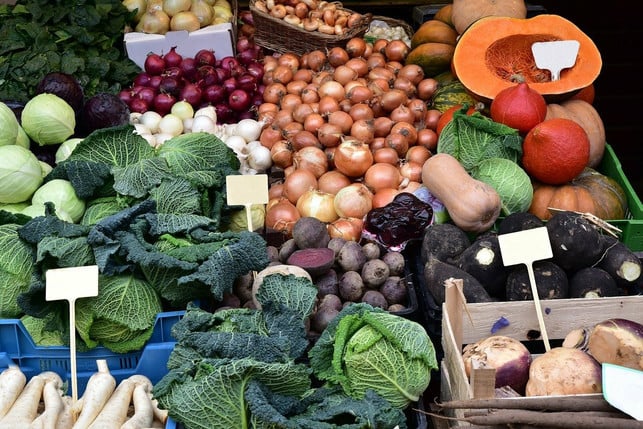
In winter, a vitamin deficiency can manifest itself in rather unspecific symptoms such as tiredness, fatigue, mood swings and dry skin, according to the MSD Manual. In winter, a vitamin D deficiency is often the reason for a weakened immune system, as the days are shorter and we in Germany – or our region between the 47th and 55th parallel – lack sunlight. The sun’s rays stimulate vitamin D synthesis in our bodies.
But a vitamin deficiency in winter can also be related to your diet. Depending on your diet, one or two sources of vitamins may be eliminated in winter because, for example, certain vitamin-rich foods are not available. If you follow an exclusively regional diet, citrus fruits are out of the question as a good source of vitamin C.
The supply of vitamin D in winter can also become critical with a vegetarian or vegan diet: Not only is there no sunlight as a source of vitamin D, but fatty fish, eggs or milk and dairy products are also no longer available as sources of vitamin D, which is why vegetarian and vegan foods with lots of vitamin D play an important role.
Where do you get your vitamins in winter?

Below we will show you which vitamins are particularly important in winter and which foods you can find them in.
Vitamin A
- Vitamin A is not only important for normal visual function, but also supports the immune system, so that the body can fight off colds and other illnesses well in winter.
- It is only found in animal foods. You can find it especially in liver, but also in milk and dairy products, as well as in eggs and certain types of fish.
- The precursor to vitamin A is beta-carotene, which is found in plant products. These particularly include carrots, pumpkin, sweet potatoes, peppers, spinach, kale, lamb’s lettuce as well as mangoes and apricots.
- Your body can convert beta-carotene into vitamin A. Therefore, you can ensure your vitamin A supply even if you eat an exclusively plant-based diet. The prerequisites for this are unrestricted fat digestion, thyroid function and enzyme secretion.
B vitamins
- B vitamins are responsible for a number of important functions in the body that keep us healthy, especially in winter, and increase our well-being.
- Vitamin B1 ensures that the body can absorb energy from food. Too little vitamin B1 can result in tiredness.
- Vitamin B6 supports the immune system, has an impact on hormonal balance and is also important for the nervous system.
- You should always consume enough vitamin B12, but especially in winter. A deficiency can increase the likelihood of depressive moods, a study has found.
- You can find B vitamins in a wide variety of foods, for example in whole grain products, legumes, nuts and seeds as well as in fruits and vegetables – all vegan sources of vitamins.
Vitamin C
- Vitamin C is essential to maintain the body’s defenses. You can get vitamin C particularly through berries, peppers, brassicas and fermented vegetables. In addition to vitamin C, B vitamins are also produced during the fermentation process. Rose hips also contain a lot of vitamin C. You can harvest rose hips yourself during the winter months.
Vitamin D
- You mainly get vitamin D from sun exposure during the summer months. Your body can store vitamin D so that it can supply you with it over the winter.
- However, the prerequisite for this is full storage due to sufficient sunlight in summer. You can also consume small amounts of vitamin D through your diet. However, there is a lack of plant sources of vitamin D.
- Foods that contain vitamin D include oily fish, eggs, mushrooms, milk and dairy products.
Vitamin E
- Vitamin E protects the body’s cells from free radicals.
- The vitamin is particularly contained in olive and wheat germ oil. It is also found in nuts and seeds.
Other important micronutrients in winter
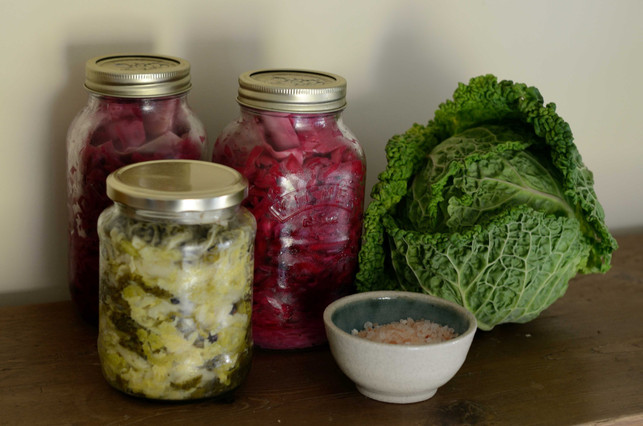
A large part of our immune defense takes place in the intestinal tract. You can influence the local microbiome through your diet. The best way to support your intestines is with fiber from whole grain products, legumes and fermented foods. When it comes to fermented foods like yogurt, sauerkraut, and pickled vegetables, you should make sure that they contain active bacterial cultures that have not been destroyed by heating. Also, make sure you have enough water: Drinking enough is a must.
In addition to vitamins, your immune system also needs proteins, fatty acids, minerals and secondary plant substances. Basically, it is difficult to look at nutrients in isolation because they do not occur alone in whole foods and interact with many other nutrients. Therefore, above all, make sure that your menu is diverse and varied. This is how a balanced diet is formed.
Tip: Regional and vitamin-rich “superfoods” represent wild herbs or winter-proof herbs on your balcony. These include, for example, nettle, dandelion, parsley and thyme.
Should you supplement vitamins in winter?
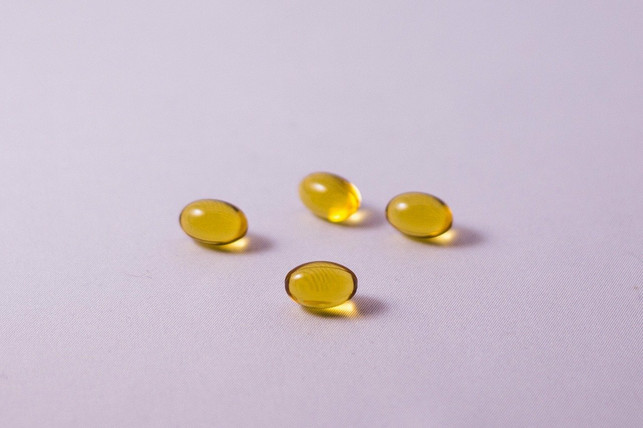
If you don’t have any special illnesses and are not pregnant, you generally don’t need any nutritional supplements to get enough vitamins in winter. With a balanced diet and sufficient exposure to sunlight, especially in the summer months, you can get all the necessary nutrients in sufficient quantities.
An exception is vitamin B12 for vegans. In this case, taking vitamin B12 supplements is necessary in the long term.
You should generally be careful with dietary supplements because long-term use of high-dose preparations can pose a health risk. You should therefore always have a doctor clarify any supplementation.
A vitamin D deficiency can occur particularly in people who spend very little time outdoors. In this case, too, seek advice from your doctor as to whether supplementation would be recommended for you.
A good alternative is foods artificially enriched with vitamins. These include, for example, plant milk that has additional vitamin D or calcium added. This makes it particularly easy to supply important nutrients such as vitamin D or B vitamins in winter. However, check with your doctor beforehand whether such fortified foods are sufficient for your individual vitamin supply.
Edited by Freya Petersen
Read more on Techzle\.com:
- Vegan proteins: The 5 most important sources
- Planetary Health Diet 2.0 – This is how much meat is allowed in the perfect nutrition plan
- Vitamins – everything you should know about them
** marked with ** or orange underlined Links to sources of supply are partly partner links: If you buy here, you are actively supporting Techzle\.com, because we then receive a small part of the sales proceeds. More info.