
‘Answer to Inflation Reduction Act is needed’
Volkswagen is reluctant with its plans for European battery factories. The brand wants to build six, but is in no hurry as long as the European Union does not come up with an answer to the American Inflation Reduction Act. This makes billions of dollars available for investments in production facilities for EVs and battery cells and packs in the United States, making investing in that country much more attractive.
Volkswagen wants to build six large battery factories in Europe, but the brand is taking a break in planning those factories. That says an anonymous insider to Reuters. Brand executives express their concerns about the shrinking of the European car industry with the electrification, because the business climate in China and the United States is much more favorable. For example, the US Inflation Reduction Act makes billions available for battery and electric car factories built in the United States.
In Europe, such subsidies are much smaller and incidental in nature, making it less attractive for car brands to invest in new factories here. This is also the case for Volkswagen, which the insider now says is progressing much faster with investment plans in the United States than with those in Europe, simply because they can count on billions in subsidies across the street. They make planning much easier.
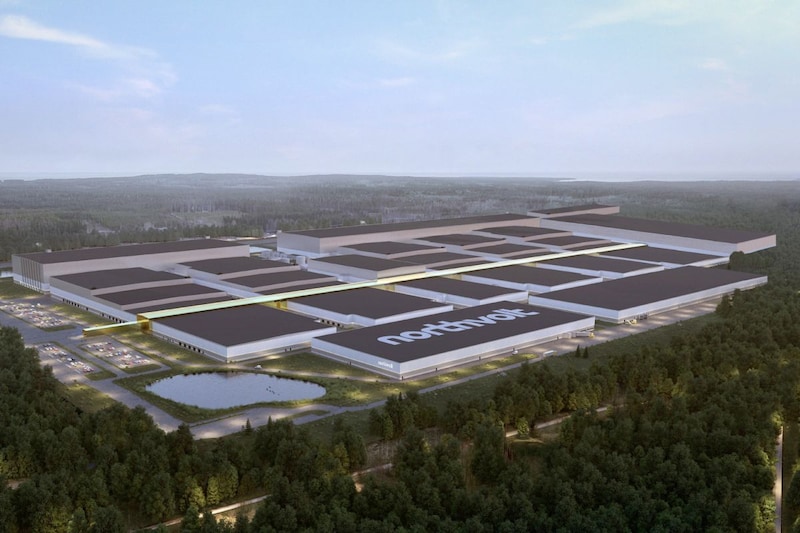
In Europe, Volkswagen has more or less concrete plans for three of the six desired factories. One in Germany, one in Spain and one in Sweden, a collaboration with Northvolt (which is partly owned by Volkswagen). The plans for the fourth should find fertile ground in Eastern Europe, but it could just be a while before those plans become more concrete.
Volkswagen is waiting to see what will become of the European Green Deal in this area and considers EU incentives – whether or not comparable to US subsidies – for the electric car industry necessary to keep the business climate here interesting. That had already been hit by energy dependence on Russia, which pushed up energy prices and made production margins in Europe more uncertain.
.
– Thanks for information from Autoweek.nl