
Bpm rates up
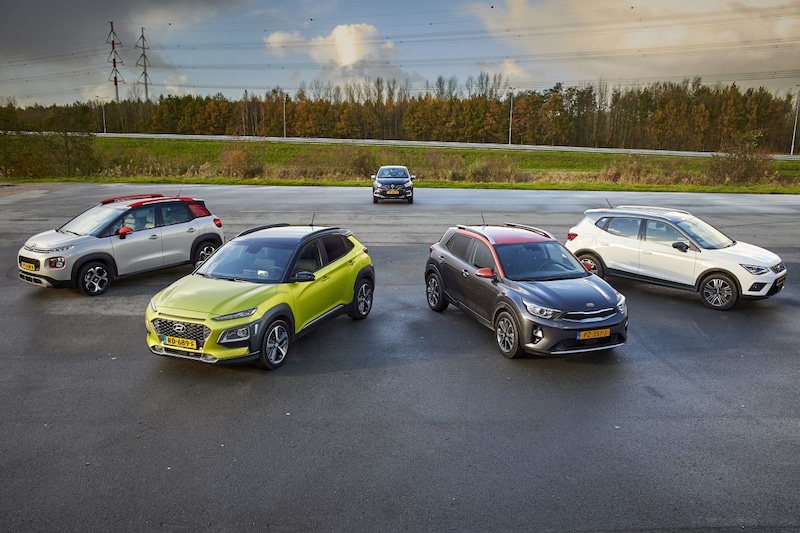
There is a good chance that many new cars will be more expensive in the Netherlands from 2023 than this year. But, why are cars actually becoming more expensive?
Those who regularly visit AutoWeek.nl undoubtedly regularly read articles in which new, higher prices of models are discussed. Rarely do cars become cheaper. Price increases are regularly related to an adjustment of the model. Cars are renewed, facelifted and then more than once get better standard equipment. We recently saw this, for example, with the Mercedes-Benz B-class. From 2023, many cars will probably become more expensive without immediately getting more in return. What’s up with that?
Prince’s Day
The fact that new cars become more expensive on 1 January is related to the same club that annually presents you with one or more blue envelopes: the tax authorities. On Prinsjesdag, the cabinet again presented the budgets and fiscal changes for the new year this year, and last September there were again various matters that affected motorists. In both a positive and negative sense. For example, it was announced that the reduction in excise duty on petrol, diesel and LPG, introduced earlier this year, will apply until 1 July 2023, but also that the addition will be adjusted again, that the MRB will increase and that (non-electric) company cars will no longer be used. are more exempt from bpm. None of these things have a direct influence on the new price of passenger cars, but what does?
Bpm up
Well: with effect from 1 January 2023, the bpm rates will increase. The bpm is a purchase tax that you pay when purchasing a new car and that is included in the recommended retail price. Electric cars are exempt from bpm. The bpm of cars with a combustion engine is determined by the CO2 emissions in grams per kilometer and by the type of fuel or the type of powertrain of the car. You have to pay for every gram of CO2 that a car emits per kilometre. How much? That depends on which CO2 bracket the CO2 emissions/kilometre falls into.
As of 1 January 2023, a slightly higher fixed base of €400 will be charged for every car that emits one or more grams of CO2 per kilometre. In addition, the CO2 brackets per 2023 will be reduced by 2.3 percent compared to last year, while the rates linked to those brackets will also be increased.
A slightly different calculation also applies in 2023 for diesel cars. Until this year, cars with a diesel engine that emit more than 75 g/km will be subject to a diesel surcharge of €86.67 for every gram of CO2 emissions above 75 g/km. Subsequently, the same bpm calculation is applied there as on a car with a petrol engine. This concept will remain intact in 2023, but the diesel surcharge will be increased to €94.30 and the CO2 limit above which that surcharge must be paid will drop to 73 grams per kilometre. For plug-ins, different rates and rates apply than for petrol and diesel cars, but here too the disc limits are going down and the rates are going up. The most expensive disc applies from 61 grams of CO2 per kilometer.
The bpm increase will be even more severe if a car falls in a higher bracket in 2023 than in 2022 and is therefore subject to a much higher rate. An increase in the starting price due to higher bpm can only be prevented by car manufacturers if CO2 emissions are reduced.
– Thanks for information from Autoweek.nl