

Zen meditation is one of the most common forms of meditation. Here you will find out exactly what this term means and how you can carry out a Zen meditation yourself.
Zen meditation is also known as “Zazen”. This Japanese term means something like “sitting meditation”. This form of meditation is what we in the northwestern world best imagine when we hear the word meditation: Seen from the outside, we simply sit there very quietly while we observe our breathing and emerging thoughts and feelings.
In addition to Zen meditation, other types of meditation include yoga, tantra, certain martial arts or rest or walking meditation. The term “Zen” refers to a special movement of Buddhism. Translated, it means something like: “access to meditative contemplation”.
The core principle of zazen is that you accept the present moment as it is. So you simply notice external stimuli (such as noises, smells, cold, warmth, and more) and internal changes (such as thoughts and feelings). In doing so, you resist the urge to analyze, change or judge them. As a rule, conscious awareness of breathing also plays a major role in Zen meditation.
How to prepare for Zen meditation
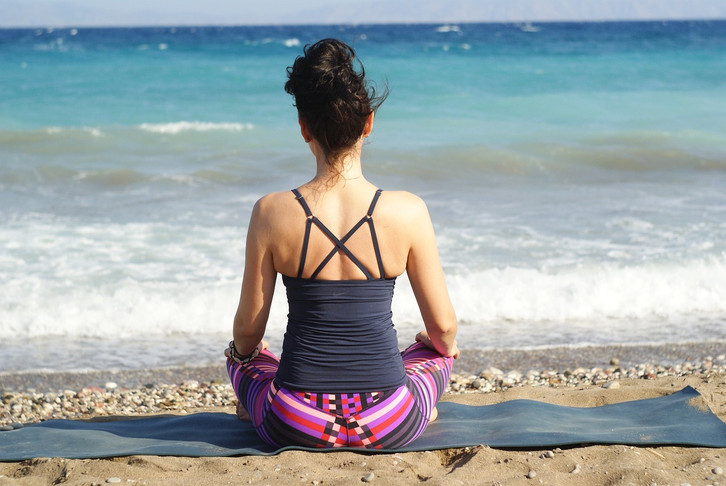
To prepare for a Zen meditation, you should consider the following aspects:
- Choose a sitting position in which you sit as upright and stable as possible. The position should feel comfortable so that you can hold it for up to 30 minutes without any problems. For example, you can sit cross-legged or lotus position or sit on your knees or a chair.
- Make sure that you are undisturbed during your meditation. So retreat to your room and possibly inform family members or roommates that you will not be available for the next while.
- How long you want to meditate depends on your individual requirements. For beginners, five to ten minutes are recommended. Advanced practitioners can meditate for up to 30 or 40 minutes.
- To determine the end of your Zen meditation, you can set a timer. However, make sure that a shrill alarm tone does not take you out of your meditation state, but instead choose a sound that is as gentle as possible.
How does Zen meditation work at home?
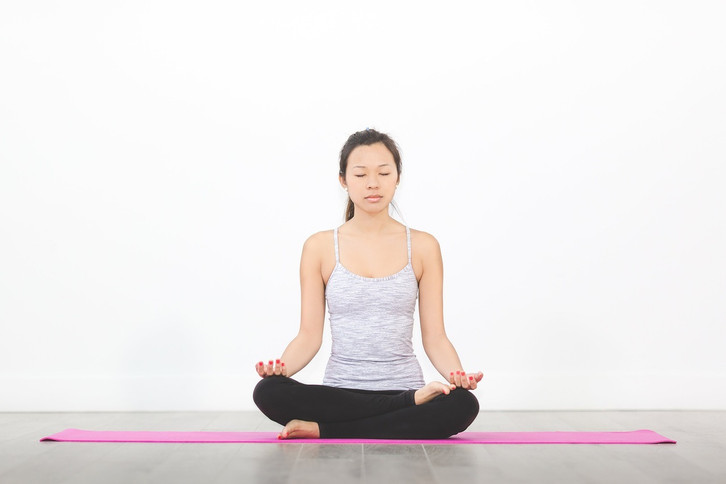
If you want to try Zen meditation yourself at home, you can follow the following steps:
- Get into the sitting position of your choice.
- Now let your eyes rest on a certain point and breathe in and out deeply three times.
- Now close your eyes.
- Bring your attention to your breathing. You don’t have to breathe a certain way to do this. Just let your breaths flow naturally.
- You can now simply notice how the breaths come and go. If it helps, you can also start counting them. So you breathe in on “one” and out on “two” and continue like this until you get to ten. Then you start over.
- Especially at the beginning, you will notice that your thoughts keep wandering. This is a completely natural part of meditation. The only important thing is that you let go of the thought. So as soon as you notice that you are mentally distracted, carefully return your focus to your breathing and continue counting.
- At the end of your meditation, you can breathe deeply in and out a few more times, stretch and stretch, and slowly open your eyes again.
Tip: If you find it difficult to just follow these instructions, you can also use a guided Zen meditation. There are various meditation apps for this, for example. Alternatively, you can also take a Zen meditation course. The best way to do this is to contact yoga and meditation centers or adult education centers in your area.
How does Zen meditation work?

If you regularly perform Zen meditation, it can have a positive effect on your mental and physical health. This is even scientifically proven:
- According to a 2025 study, Zen meditation combined with aroma therapy using essential oils can lead to better mental health.
- Another 2020 study confirms that regular Zen meditation can help us better regulate and control our emotions. It also provides evidence that we can work more concentratedly and attentively after a meditation session.
- According to an article in the Journal of Alternative and Complementary Medicine, various studies confirm that long-term meditation promotes brain activity that induces relaxation. Regular zazen can reduce stress and help lower blood pressure. In addition, regular Zen meditation is said to prevent cognitive decline in old age.
- Zen meditation can also sharpen the sense of touch.
Note: Exactly how and whether meditation works in your case always depends on your individual requirements as well as the type and regularity of your meditation practice. Also remember that meditation carries risks.
A long-term study showed that one in ten people experience side effects from intensive meditation. These include, for example, fear and hypersensitivity.
People who are mentally stressed should therefore be careful when it comes to meditation. If you still want to learn to meditate in such a case, you should only do so in a safe environment and with professional guidance.
Edited by Lea Hermann
Read more on Techzle\.com:
- Meditation to fall asleep: This is how it works
- Mantra meditation: meditating with repetitive chants
- Mindfulness in everyday life: You can reduce stress with these 4 tips
** marked with ** or orange underlined Links to sources of supply are partly partner links: If you buy here, you are actively supporting Techzle\.com, because we then receive a small part of the sales proceeds. More info.