
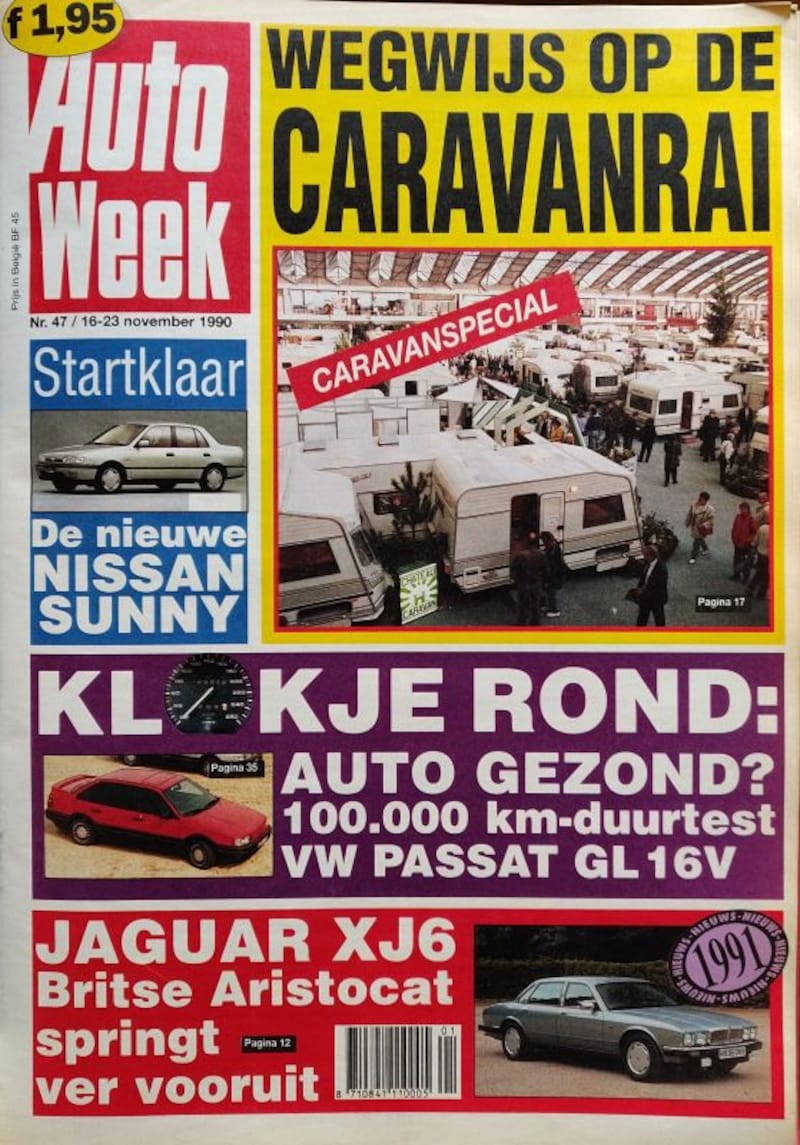


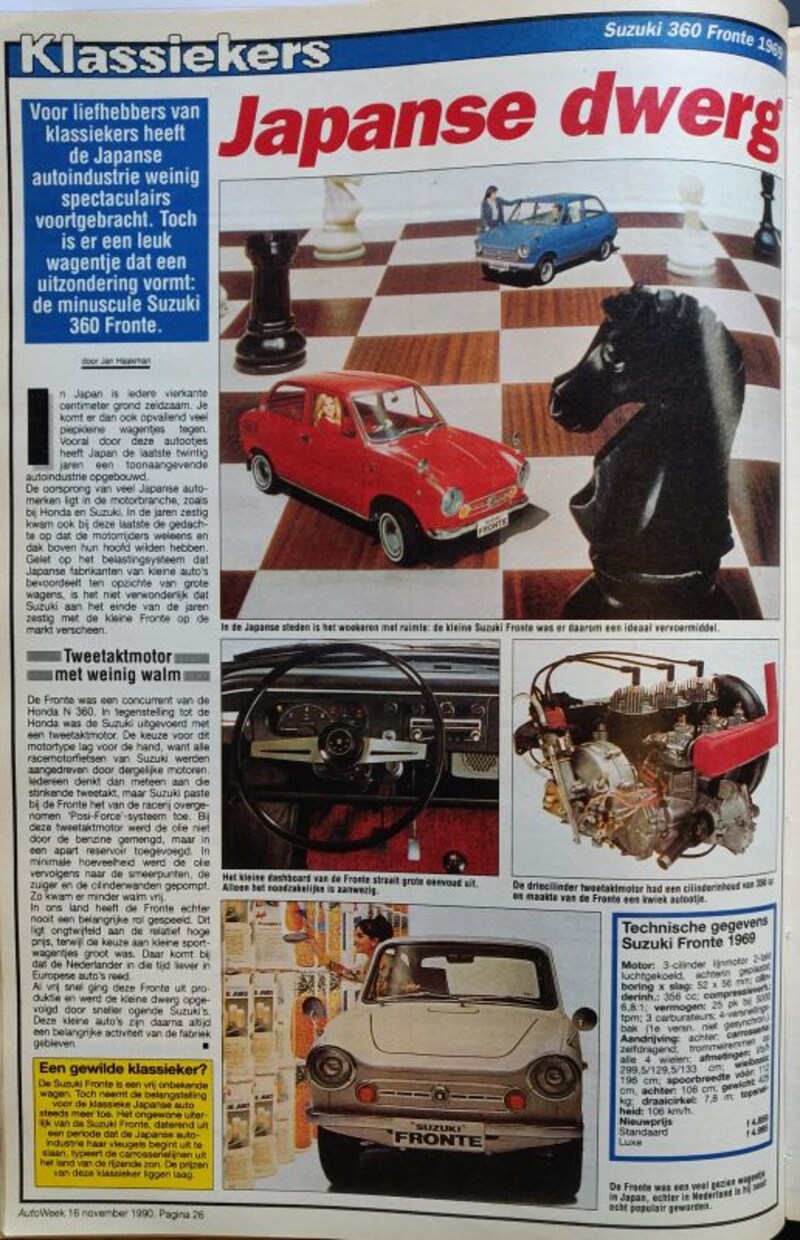

Techzle has been in existence for 30 years and that is why we look back every week on this week’s edition in 1990. Techzle 47 will be in the shops from today, but what exactly was in number 47 thirty years ago?
News
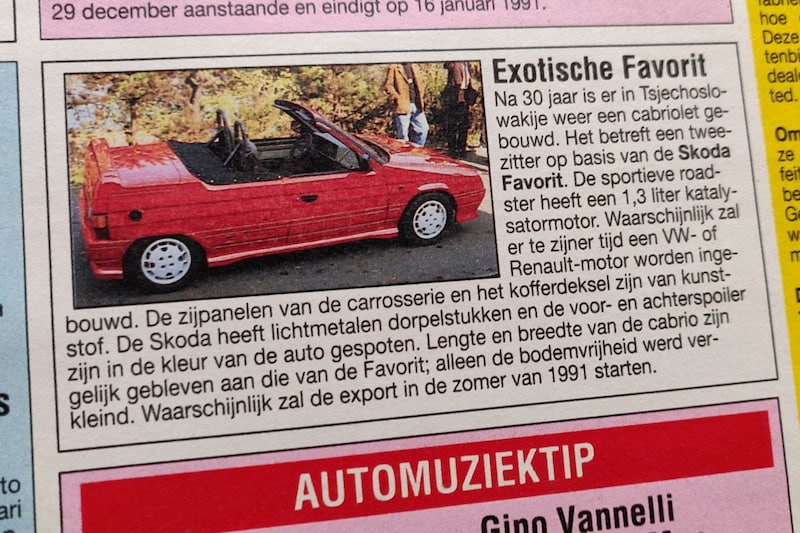
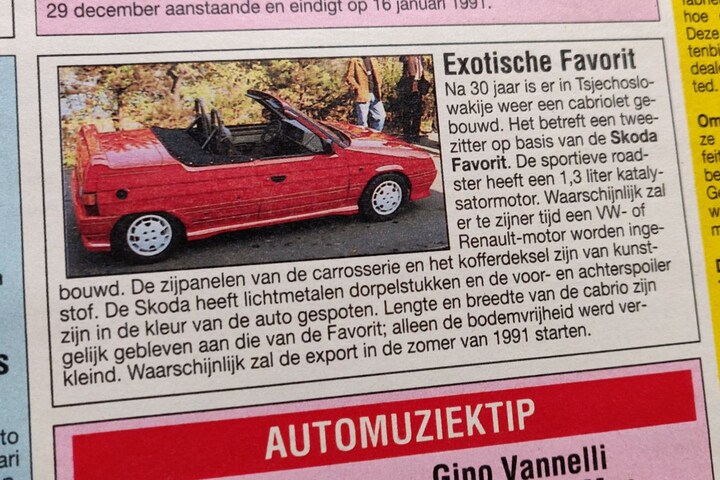
A few months ago, Skoda unveiled the Slavia, a study model based on the Scala that was designed by students from its design academy. That car evoked memories of the Skoda ‘Favorit Roadster’ that appeared on the Techzle 47 news pages in 1990. Back then we seemed to count on it being a creation of Skoda itself and that it would also be offered through the regular channels. That turned out not to be entirely correct. It was a project of MTX, a Czech company that has realized both Formula cars and special conversions over the years. The MTX Roadster, a roofless Favorit with a plastic panel in the place of the rear seat, a fabric hood and a thick rear spoiler, was supplied by MTX in an edition of about 200 pieces between 1991 and 1996. A special creation.
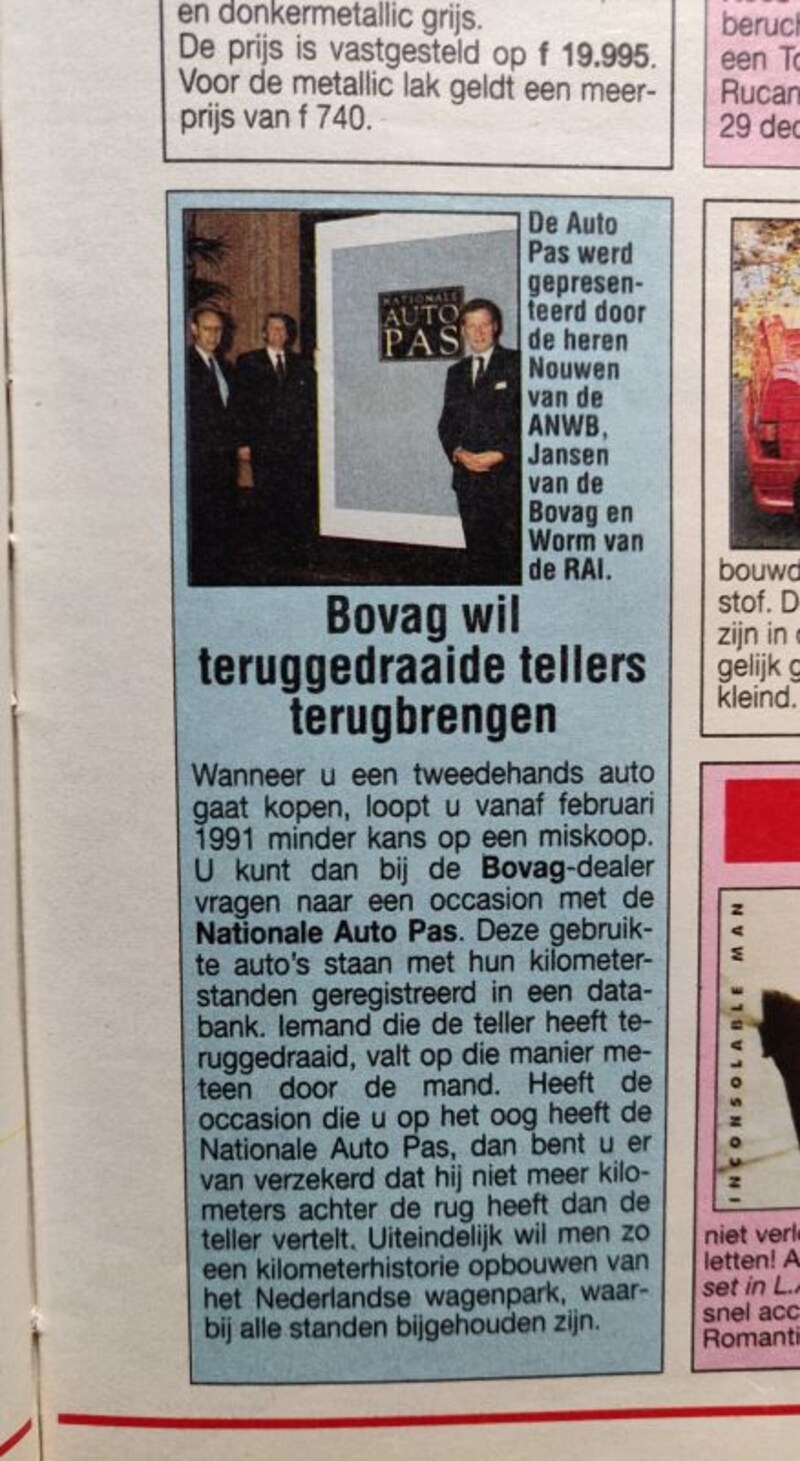
Another striking piece of news in November 1990 was the introduction of the National Auto Pass. Anyone who purchases a used car will still have to deal with it. The NAP is a useful tool to find out whether the mileage build-up has proceeded logically, or whether it has been tampered with. An important weapon in the fight against odometer fraud. “If the occasion you have in mind has the National Auto Pass, then you can be assured that it has not covered more kilometers than the counter tells us. Ultimately, the aim is to build up a kilometer history of the Dutch fleet, with all readings being kept up to date. are “, we wrote at the time. This has worked out quite well, although the fight against odometer fraud still requires a broader approach.
Tests
Techzle 47 of 1990 was a relatively modest number when it came to testing. There was no comparison test, but there was an interesting driving test. We drove the Fiat Tempra Turbo Diesel. A car that impressed with its strong and economical power source, space, comfort and price. However, the engine was a bit noisy and the digital dashboard was a bit disappointing for the editor. Although Fiat caused quite a sensation at the time, we found the staggering of the numbers on the speedometer ‘a distraction while driving’. The fact that Fiat also put analogue clocks back on the option list was ‘a sign on the wall that not everyone wanted it’. If only we knew how much busier it was going to be in dashboards.

Reports
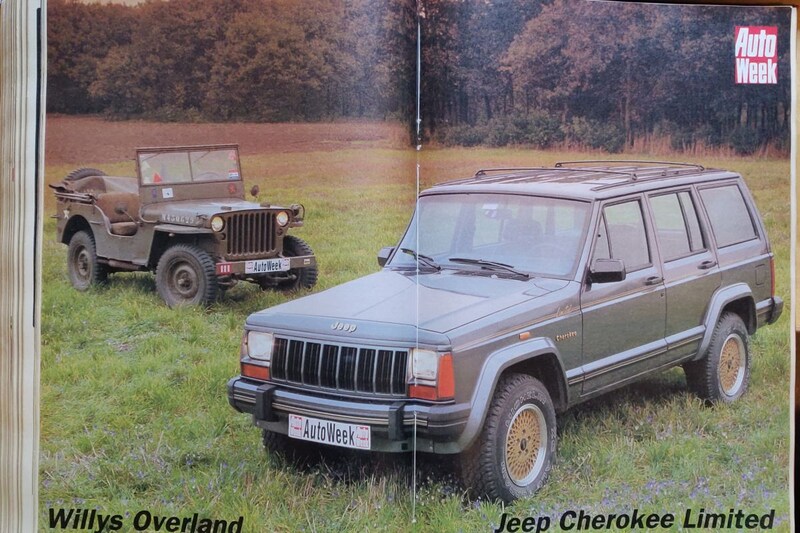
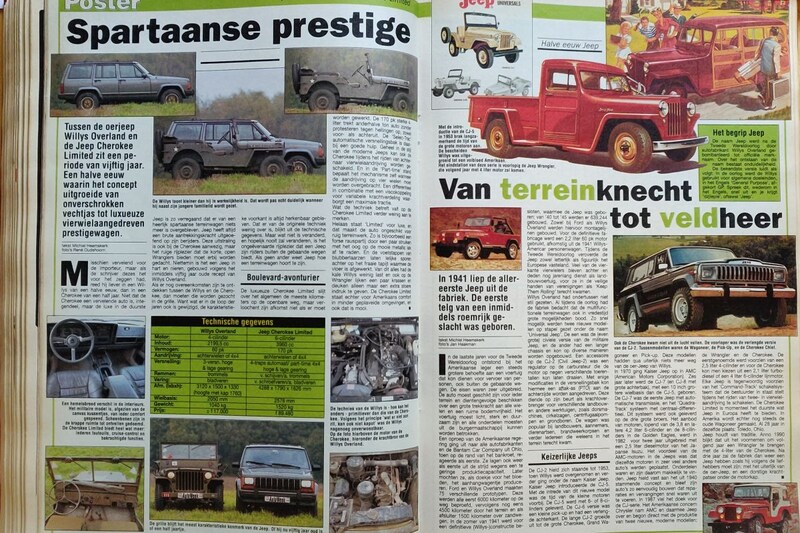
In 1990 it was fifty years ago that Jeep sprouted with the construction of the Willys MB. An extensive review was therefore required. We put the Jeep Cherokee of that time next to its ancestor and could conclude that of course a lot had changed, but there were certainly also parallels. Especially in terms of styling, Jeep gave a strong nod to the past, something that still applies today. The Cherokee, like the Willys, was also unstoppable in the terrain, except that it had nothing to do with Spartan transport. If you really wanted to experience the old Jeep, then better sign for the Wrangler. Little has changed in that regard.

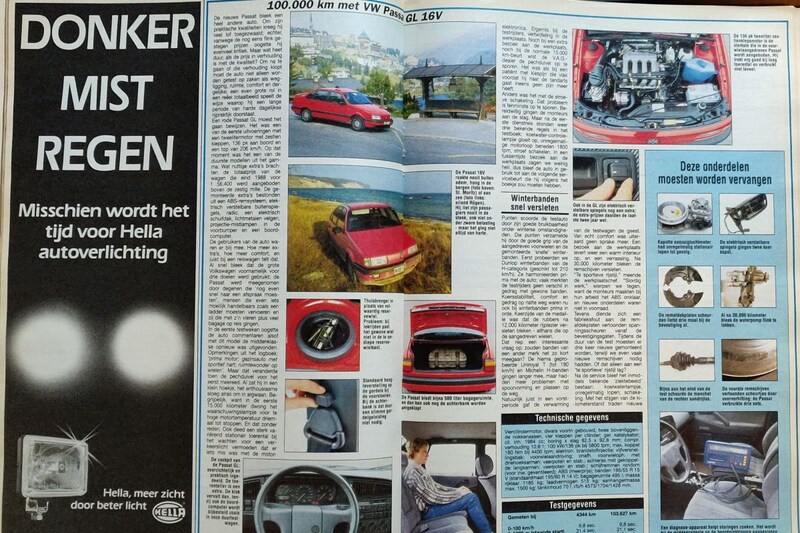
What says more about a car than driving it 100,000 km and then dismantling it down to the last screw? We did this in 1990 with the then new Volkswagen Passat. A 2.0-liter sixteen valve with 136 hp to be precise. The most powerful engine at the time for the front-wheel drive Passat. It pulled on nicely and had not lost performance after 100,000 km. Nevertheless, the Passat was certainly not free of problems. The electric mirrors broke, the water pump started to leak, the air mass meter died and there was leakage in the front footwell. To mention a few things. Although it looked a bit like a ‘Monday morning car’ with teething problems, the conclusion was firm: ‘the famous VW quality is no longer what it used to be’.
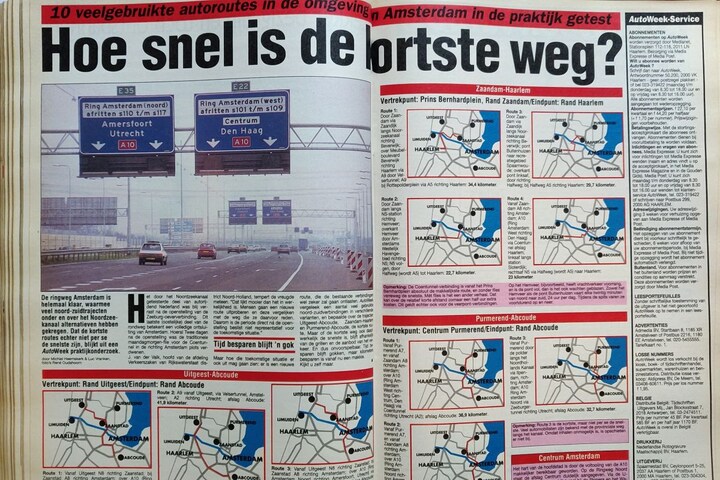
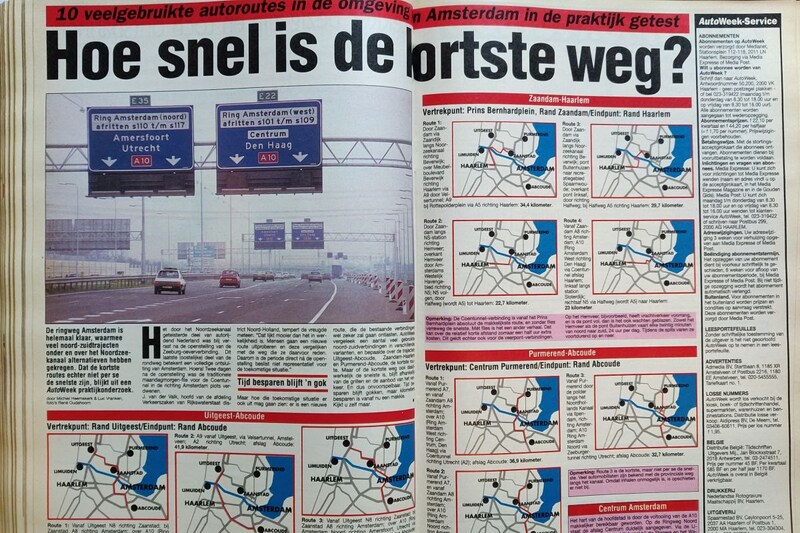
How do you pass Amsterdam as quickly as possible? A question that will still occupy many today. The A10 ring road around the capital was completed in 1990, so it was time for a test. In many cases, the completion of the ring road turned out to make the ride along Amsterdam a lot faster and shorter, although you shouldn’t end up in a traffic jam. Some things never change.
Advertisement

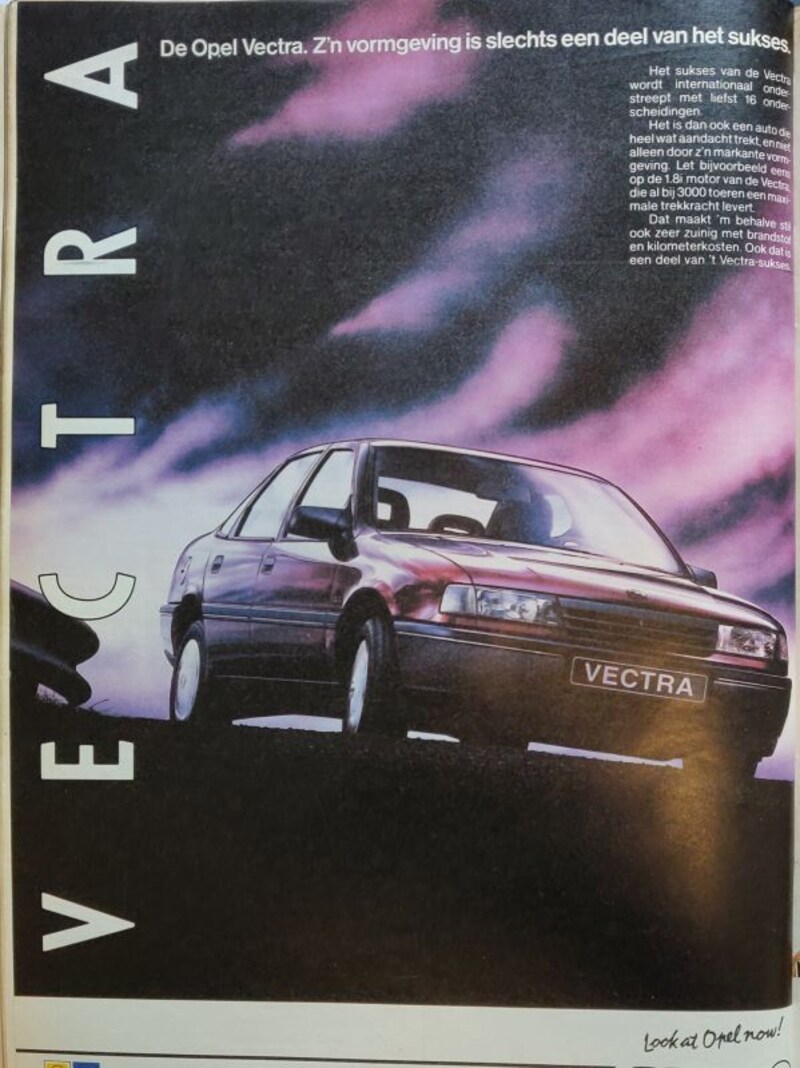
An advertisement for the Opel Vectra A strikes us in the first place not so much because of the car itself, but because of the Dutch. At the time, you still wrote success as ‘success’. Still looks crazy now. The Vectra still doesn’t look crazy though, it never did. Very good, rather. In that respect, it is striking that Opel advertised its appearance as one of its biggest advantages, although this ad was cautiously pointed out that the Vectra also had to rely on other elements, such as its quiet and economical engine.