

Do you sit a lot and are you looking for exercises to help relieve discomfort when you sit for long periods of time? That’s good because sitting for long periods of time is very unhealthy. We’ll show you which five exercises you can use to bring more movement into your everyday life.
Most people spend too much of their lives sitting and science agrees: That’s not good for us. But very few people can avoid spending a large part of their life sitting. From school to university/training to the classic office job and the end of the day on the sofa or in the restaurant: our lives are geared towards sitting.
But with these five exercises you can compensate for long periods of sitting and simply bring more movement into your everyday life.
Sitting for long periods of time is a risk to your health
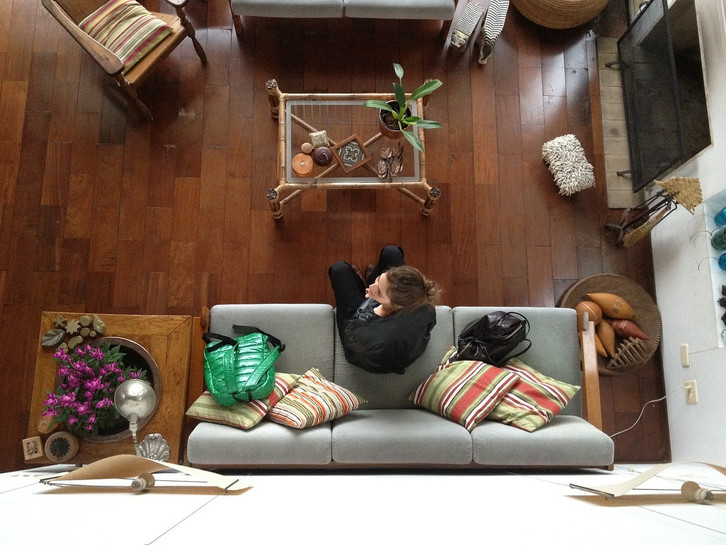
According to a study by the German Sports University Cologne and the DKV (Deutsche Krankenversicherung AG), we in Germany are sitting for longer and longer periods: in 2025 it was an average of more than ten hours per day!
The WHO (World Health Organization) also reports on the devastating health consequences: lack of exercise increases the global risk of heart disease, obesity, diabetes, depression and dementia. The WHO recommends at least 150 minutes of physical activity per week for adults to prevent the diseases mentioned. Regular exercises can also help with long periods of sitting.
These five exercises can help with long periods of sitting

There are numerous exercises that can help you with sitting for long periods of time. This variety exists, among other things, because there are different medical approaches, because every body is different and because people react differently. It is particularly important that you deal with yourself and your body and find the exercises that best help you individually.
In summary, these five exercises can help with long periods of sitting:
- Correct and dynamic sitting
- Incorporate regular exercise
- Integrate short fitness workouts into your everyday life
- Stretching, fascia massage and yoga
- Strengthening the muscles
Below we describe all five exercises in detail and with examples.
Exercise 1: Correct and dynamic sitting
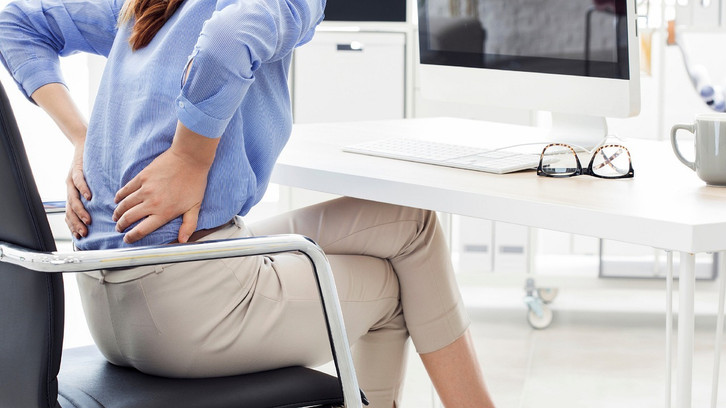
Even before you start doing specific exercises and movement, you can start working while sitting: According to physiotherapists, the correct sitting position prevents many problems such as back and neck pain. Ergonomics in the workplace is important – especially if you sit a lot:
-
The right sitting position: Your desk and office chair must be at the right height. You have this when your upper and lower legs as well as your upper and forearms are at right angles to each other. Your feet should be firmly on the floor. Ideally, your backrest is adjusted so that you have contact when you sit upright. Your computer screen should be at least 50 centimeters away from you.
-
Incorporate posture changes: Even the best sitting position is not suitable for staying in for hours. Therefore, you should switch between different sitting positions. You can swap the chair for a stool or incorporate periods of comfortable sitting. Or you can simply work standing up at a so-called standing desk.
Exercise 2: Incorporate regular exercise instead of remaining seated

The best exercise to combat sitting for long periods of time is regular exercise. You can easily incorporate them into your everyday (work) routine. Regular exercise promotes blood circulation and relaxes the muscles. This prevents tension and cardiovascular problems.
-
Active instead of passive: movement starts on the way to your seat. For example, you can take the stairs instead of the elevator or walk to the last subway station.
-
Loosening the muscles: stretching and stretching are not just good for getting up in the morning. Even while sitting, you can move your arms up and to the side, relax your shoulders in circular movements, or move your upper body slightly to the right and left. The alternation of tension and relaxation supports muscle metabolism by promoting blood circulation and pumping new oxygen into the cells.
-
Regular exercise breaks: Think about which activities you don’t necessarily have to do while sitting. For example, you can take a walk while talking on the phone, drink your coffee standing up or hold meetings at a standing table. This applies to everyday life at school and university as well as to everyday work.
Exercise 3: Integrate short fitness workouts into your everyday life

You can go one step further and regularly integrate fitness exercises into your everyday life. This doesn’t mean sports in your free time, but rather conscious exercises that can help you when you sit for (too) long periods of time. The magazine for fitness, health and nutrition recommends exercises that can compensate for long periods of sitting:
-
Opening the front: Stand upright and place your right foot on the floor behind your left. Extend your right hand forward and lift your arm straight up over your head. Follow the movement with your head and look up. Lean your body back as far as you can without pain. In this position, breathe in and out deeply a few times and then slowly release the position. Then change sides.
-
Hip pendulum: Stand upright and bend one leg at a right angle. Then let your lower leg swing inwards and outwards. You can feel the movement in the hip joint. Then switch sides and start again.
-
Spinal rotation: Press your hands together in front of your upper body and build up intense pressure. Take a deep breath and turn your head to the right as you exhale. Rotate your arms and thoracic spine in the opposite direction to the left. As you breathe in, you return to the center. Take a deep breath and turn your head to the left as you exhale. Then rotate your arms and thoracic spine in the opposite direction to the right. Return to center as you inhale.
Tip: The technician health insurance company has developed an eight-minute work-out for the office with Olympic champion Fabian Hambüchen. With only eight minutes, there are hardly any excuses left for not integrating these exercises into your everyday life when you sit for long periods of time!
Exercise 4: Stretching, fascia massage and yoga while sitting for long periods of time
If sitting for long periods of time causes you back pain, you should try to keep the fascia supple. This can be done, for example, by doing exercises with a fascia roller or a fascia ball. But a fascia massage is also an option.
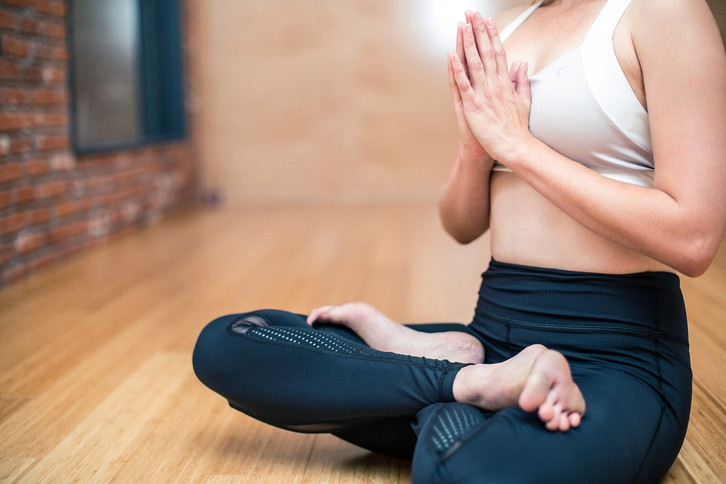
Yoga is also widely used to strengthen and stretch the body. Yin yoga in particular is a rather calm style of yoga and is dedicated to extensive stretching. It is important to stretch the hip flexors, especially when sitting for long periods of time. Yoga is also suitable for a short break in the home office.
Exercise 5 when sitting a lot: strengthening the muscles
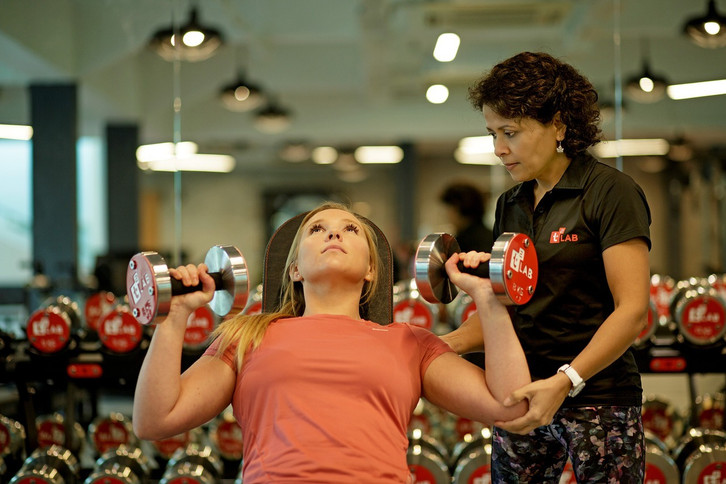
Sitting for long periods of time primarily puts strain on your hips, buttocks and spine. The stronger the muscles in these areas, the better the joints are protected.
The technician health insurance company therefore particularly recommends strengthening the lower back and buttocks muscles. You can also find numerous other exercises online from many physiotherapists. Strength training at home is easier than you think.
When doing all the exercises, see what is good for you and which exercises you can easily integrate into your everyday life. Because the best exercise is worthless if you don’t do it regularly in the end.
And if you often experience pain and tension from sitting for long periods of time, please seek medical advice. Pain can have numerous causes and if pain persists, it is important to see a specialist.
Edited by Lea Hermann
Read more on Techzle\.com:
- Get fit by cycling: This is how many times you should cycle per week to get fit
- Back school: concept, criticism and 3 exercises for beginners
- Exercise as a vitamin booster: How exercise keeps your D levels stable in winter
** marked with ** or orange underlined Links to sources of supply are partly partner links: If you buy here, you are actively supporting Techzle\.com, because we then receive a small part of the sales proceeds. More info.