
Higher share of ethanol in gasoline unlikely
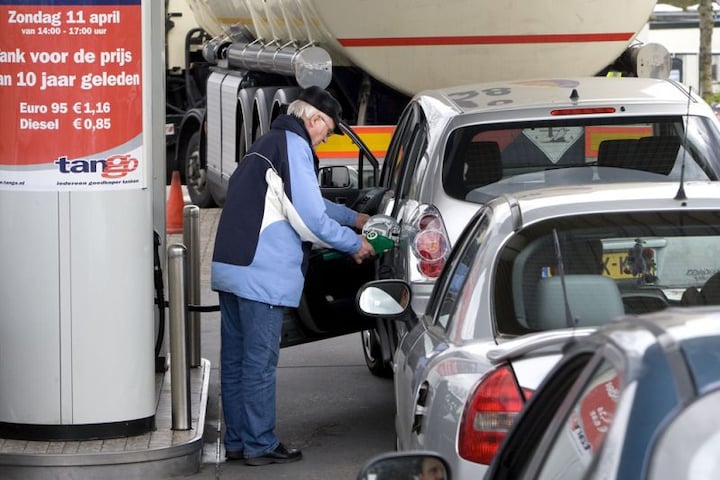
If it is up to Climate Minister Rob Jetten (D66), the bpm will be doubled next year and petrol and diesel will be mandatory mixed with more expensive biofuels, which will probably drive up the price. Biofuels exist in various forms, including bioethanol, with which gasoline is already blended. However, more bioethanol in gasoline can be quite bad for your older car.
The petrol that came out of the filling pistols as Euro 95 for years is no longer the same as it once was. From the end of 2019, that fuel will consist of a maximum of 10 percent ethanol (E10). Would you rather put petrol with a lower maximum percentage of ethanol in your car? Then you have to rely on the more expensive E5 with – indeed – up to a maximum of 5 percent ethanol. Filling stations are obliged to offer E10 and stations that have the place and space to offer more than one type of petrol must equip at least half of their filling stations with an E10 pump. Smaller gas stations usually choose E10. If it is up to Climate Minister Rob Jetten, fuels will soon be frequently mixed with biofuels. This could be done by adding more bioethanol to petrol, but that is not a good idea for owners of older cars.
Why? Ethanol dissolves plasticizers in rubbers, with the possible result that certain pipes and sealing rings become porous and eventually exchange the earthly for the eternal. This is by no means the case with all engines. In fact, it is often said that practically all engines ‘after 2000’ can handle ethanol just fine, because rubbers have been used that can withstand ethanol. A year of construction as a limit is of course risky, because a car from 2000 can of course also have an older engine for which the dance with ethanol is too aggressive. On the website www.e10check.nl you can check whether your car can withstand ethanol, but beware: this check is not one hundred percent watertight either. If the maximum ethanol percentage eventually goes up, it will be even more difficult or even impossible to find suitable fuel for your old car that cannot handle ethanol.
Marnix Koopmans of the trade association of the petrochemical industry Vemobin tells the AD that the current Dutch fleet is simply not suitable for a petrol mix with more than ten percent bioethanol. Only a minority of the fleet could handle petrol with more than ten percent ethanol. Like Bovag, Koopmans says that he expects that ‘more biofuel’ will soon only have consequences for the composition of diesel in practice. Fuel suppliers would be judged on the percentage of ‘renewable fuel units’, which are called HBEs. To meet the set percentage, operators of gas stations can therefore also choose to install (more) charging stations for electric cars, explains Koopmans.
To be clear: the new climate plans of Climate Minister Jetten (D66) are still purely plans. It will soon become clear what the government thinks.
– Thanks for information from Autoweek.nl