
RAI wants transition fund, Bovag fears drop in sales
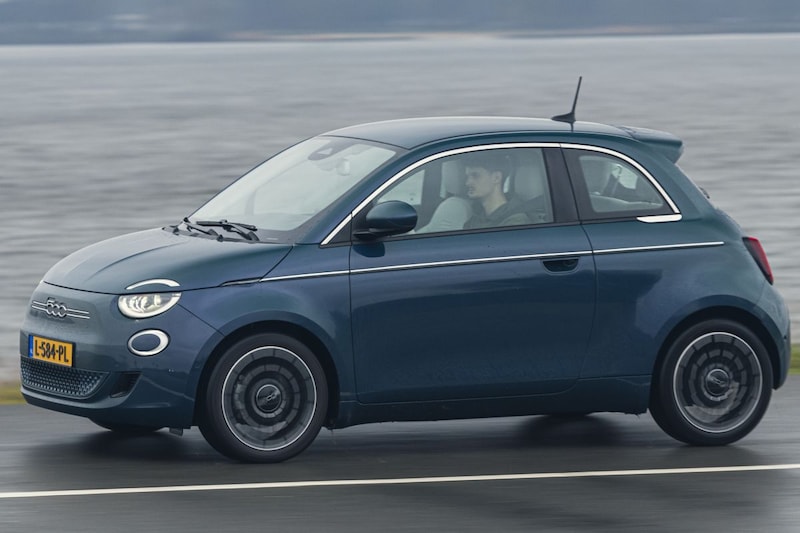
The two major car industry organizations in the Netherlands are responding to the climate plans presented yesterday. Bovag fears that they will curb sales of new electric cars, RAI Association is surprised about the origin of the necessary budgets. How about that?
The cabinet does not come up with large-scale plans for making car mobility more sustainable every day, so yesterday’s news has quite a few tongues. This also applies to Bovag and RAI Association, the two major car industry organizations in our country. While you would expect more money for automobility to be approved by both parties, they both share critical caveats.
The RAI Association expresses its concern about the origin of the money needed, for example, to provide subsidies for the purchase of second-hand electric cars. The intention is that the €600 million that the government needs to make the vehicle fleet more sustainable will largely be generated by increasing the bpm, the purchase tax on new cars. RAI says that it ‘remains contradictory’ that the budgets must be found within the sector itself, where, for example, a transition fund was created for agriculture. The organization argues that a fund should also be set up to make mobility more sustainable.
The Bovag is also concerned about the bpm increase, but focuses mainly on the consequences it could have for sales of new electric cars. From 2025 bpm will have to be paid for this, which will cause prices to rise. According to Bovag, it is not smart to make EVs more expensive while you want to encourage people to drive electrically. The organization fears that the bpm increase will slow down sales, which is counterproductive for making the fleet more sustainable. De Bovag indicates to the AD that he is ‘very disappointed’ with the plans.
.
– Thanks for information from Autoweek.nl