
Deadly sin
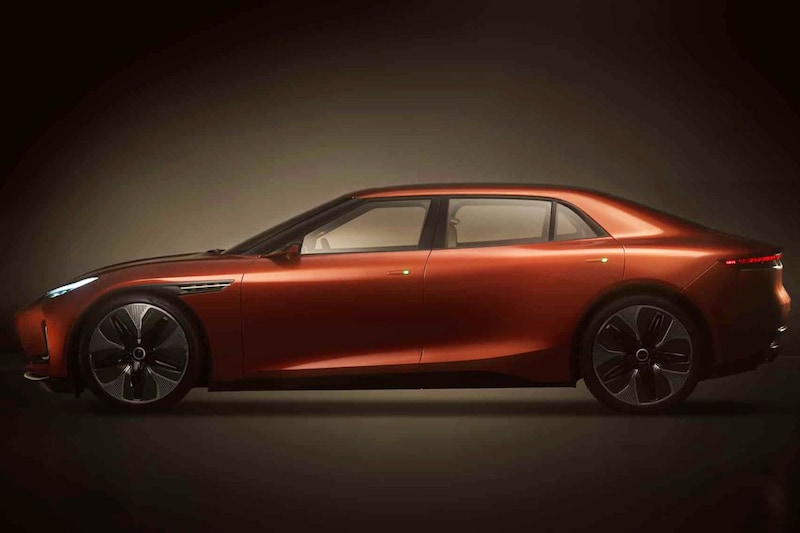
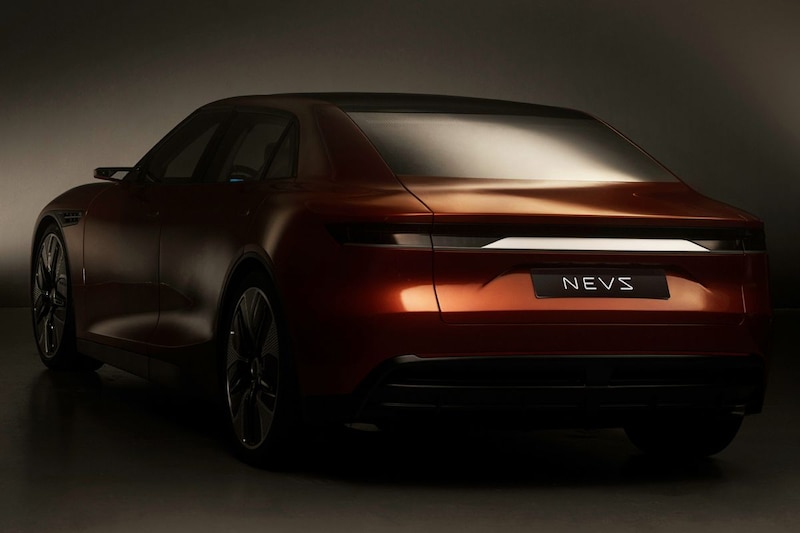


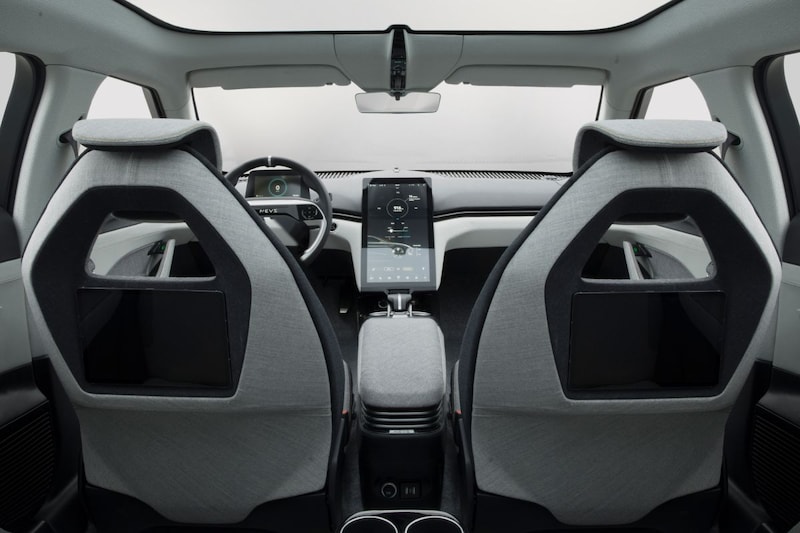
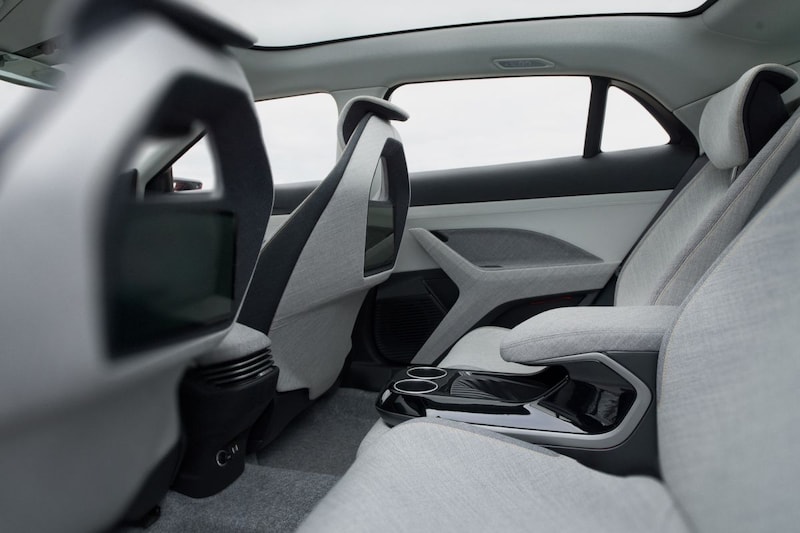

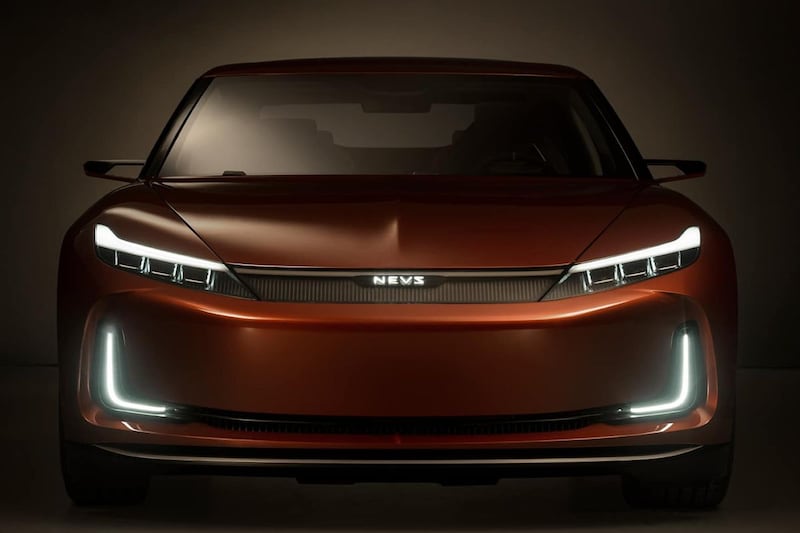
In March it was announced that NEVS, which wants to build EVs on the remains of Saab, has put itself into hibernation. Today we discover what we’re missing: ‘Project Emily’, a seemingly extremely promising EV.
This is painful: under the name NEVS, the company that was once called Saab seems to go down with gold for the second time. At the time of the bankruptcy in 2011, that ‘gold’ was the Saab 9-4X. As a mid-sized crossover, it may not have been a car that would make Saab hearts beat faster, but as a modern SUV-like at the time, the 9-4X Saab might have helped with much-needed sales. That was all to no avail. Now a repeat of that process follows, because just after announcing NEVS’s ‘hibernation’, communication agency Plint shows what could have been.
Plinth (plnt.se) was responsible for documenting the development process of an all-new EV from Trollhättan. NEVS stands for National Electric Vehicle Sweden and is a subsidiary of the Evergrande Group, which bought the remains of Saab. Evergrande is Chinese, but just like with Geely subsidiary Volvo, the development of the NEVS cars takes place in Sweden. Or rather, ‘found’, because the project is therefore still on hold for the time being. Thanks to Plint, we know that it was already at an advanced stage. In a video former CEO Stefan Tilk even literally states that the car feels and looks like it is almost finished.
NEVS therefore did not happen overnight: in addition to the expertise of Saab itself, Christian von Koenigsegg was also involved in the project.
Emily
Under the project name ‘Emily’, NEVS has developed a four-door EV in Trollhättan that ranks high in the market in terms of specifications, size and positioning. Taycan-like, if you will, although ‘Emily’ is less coupé-like and apparently also considerably more spacious. In an accompanying video, for example, we observe a considerable ‘frunk’, while the interior looks spacious, airy and homely. The interior is just as ‘finished’ as the exterior. It is modern, with large screens, but also cozy and cozy due to the warm-looking fabrics.

Under the skin, ‘Emily’ is certainly not a traditional EV. After all, the electric motors are not located behind and/or in front, but on the corners of the car. Yes: one electric motor per wheel. This not only produces a lot of power, but also a unique form of ‘torque vectoring’, according to the makers. After all, the set-up enables the developers to determine exactly which wheel gets which power, so that force distribution can exert a lot of influence on cornering behaviour. With a minimum of 490 hp, there is no lack of power, and work was also done on an extra powerful version for those who think otherwise. According to AutoCar, NEVS planned to supply the Emily – or whatever it would eventually be called – with battery packs of up to 170 kWh, good for a driving range of up to 1,000 kilometers. Anyone who thinks that is bizarre with us could opt for a battery of 105 or 140 kWh if desired.
On the outside, ‘Emily’ is a modern, sporty and low sedan. Although the Saab brand name is missing, there are still some similarities with the last 9-5 visible here and there. For example, take a look at the visor-like combination of windshield and side windows. The back is very fashionable with its continuous LED strip, which is made up of different pieces, while the front looks powerful and tough.

NEVS Emily.
The fact that the car seems so largely ‘finished’ and Evergrande is equally unable to complete this NEVS project says a lot about how difficult and, above all, expensive it is to bring a new car to market. NEVS is not bankrupt, but it cannot continue with only 20 of the first 340 employees. Project boss Peter Dahl also reports on his LinkedIn that the rights to this car and the handful of prototypes of the Emily are being offered for sale by NEVS. The company therefore seems to no longer see any benefit in it, and that is a real shame as far as we are concerned.
.
– Thanks for information from Autoweek.nl