
Task for new cabinet
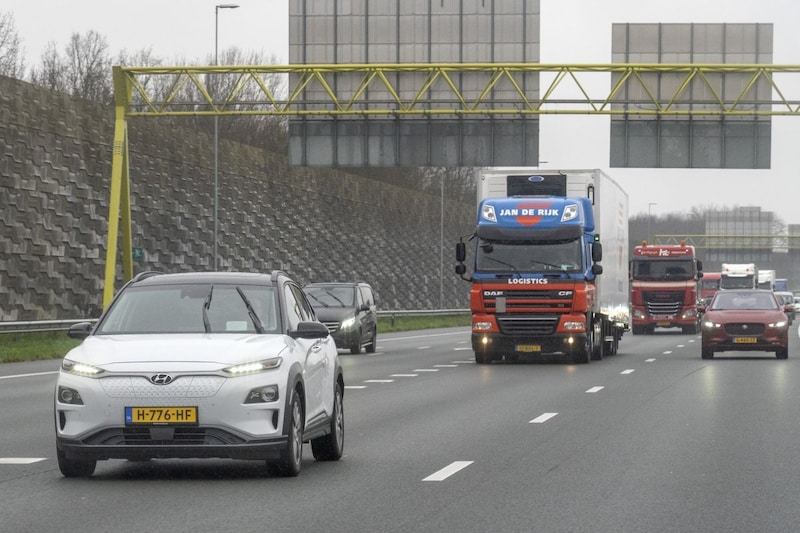
High fuel costs, expensive new cars and soon also MRB for electric cars; mobility in the Netherlands is under pressure. At least that is what the Rai Association thinks. He advocates measures that should, in particular, make sustainable mobility more accessible.
The outgoing cabinet presented the financial plans yesterday, on Budget Day. These are reasons for the Rai Association to once again emphasize the importance of affordable mobility. “There is no point in increasing purchasing power if you then run out on your transport costs,” said chairman Frits van Bruggen. “(Sustainable) mobility threatens to become unaffordable for Dutch people.” The word in brackets contains an important part of the message of the Rai Association: it is hoped that the next cabinet will work on making sustainable mobility in particular more accessible.
The Rai Association therefore does not advocate lower fuel taxes to keep mobility more affordable, but primarily for (further) encouraging more sustainable choices. For example, they want the subsidy for new electric cars to continue for longer in order to expand the second-hand market in the long term. “To create a mature range of second-hand electric cars, stimulation of new electric cars is necessary in the coming years.” Moreover, according to the Rai Association, the lack of clarity about the MRB on EVs will already have a deterrent effect as of 2025. Earlier this week, professor Maarten Steinbuch issued the same warning.
There is not only an eye for electric transport, because the Rai Association also advocates retaining the BPM exemption for fossil company cars. There are plans to scrap this exemption by 2025, but according to the Rai Association, this has several adverse effects: “A van is a necessary tool for entrepreneurs, something on which no luxury tax should be levied. A BPM levy on vans also leads to additional imports of second-hand vans with a negative impact on CO2 emissions.” According to the association, a faster expansion of the charging network is also essential to increase the incentive to switch to an electric company car.
Finally, the Rai Association hopes that a better climate will be created for the arrival of sustainable fuels. In this way, the fuel engine can also play a role in the transition to a cleaner fleet and this is also more affordable for consumers: “We are asking the government for a permanent reduction in excise duties on cleaner renewable fuels, such as synthetic gasoline. This will reduce costs For these fuels, you stimulate their use and more CO2 is saved. Further increasing the blending ceiling for renewable fuels will also save a lot of emissions.”
– Thanks for information from Autoweek.nl