
Small bright spot
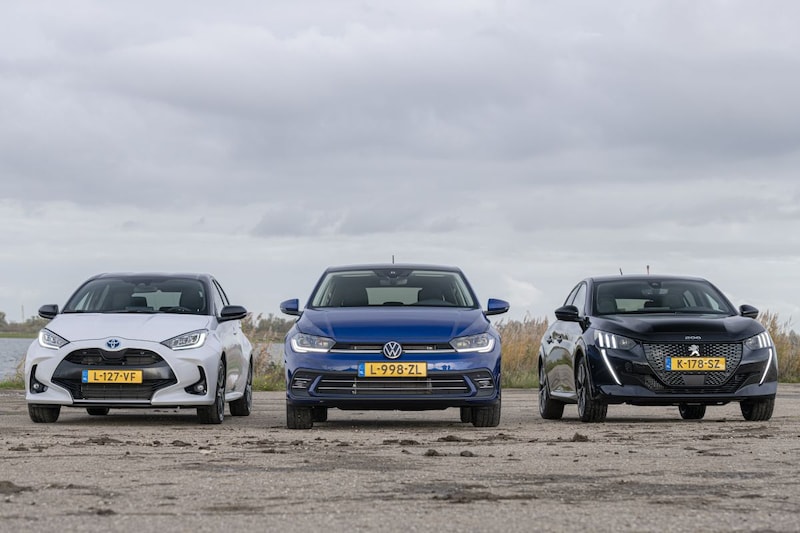
The European Euro 7 emissions standard is still forthcoming, but has been significantly weakened, especially for passenger cars. That could be good news for the future of compact and relatively affordable car models, which might otherwise die.
Car manufacturers were so concerned about the Euro 7 emissions standard that some even ‘threatened’ that factories would have to close if the whole ‘party’ continued. Skoda, for example, stated at the beginning of this year that it could discontinue all compact models if the Euro 7 standard were to go ahead in its originally proposed form.
Why? Well, developing the emissions-reducing innovations needed to make cars meet the strict requirements would make each individual car thousands of euros more expensive, according to car makers. When you consider that the really small models have almost all been canceled due to these kinds of (European) rules and that a compact model like a Volkswagen Polo costs more than 20 grand even in Germany, you can already see the mood brewing. The so-called B-segment could also fall victim to these price-increasing measures, especially now that car manufacturers seem to have already unanimously decided that the future of making money can be found in SUVs and crossovers with an electric drivetrain. Ford is already showing how it can be done and has already scrapped the Fiesta.
If the compact models were to disappear, that would of course not be good news for the private buyer who has seen his beloved compact hatchback quickly become more expensive in recent years. Now that the Euro 7 standard has been relaxed to such an extent that the Euro 6 standards continue to apply to passenger cars, the future of the European compact class looks a little brighter. A spokesperson for the ACEA, the trade association for European car manufacturers, expressed some caution to Automotive News Europe: “This should ensure that cheaper cars can still be produced. The fact that this new proposal is a step in the right direction certainly takes the pressure off car manufacturers.” ACEA’s official position is slightly more moderate: the organization is happy with the new, more realistic proposal, but states that it will still cost a lot of money to implement. This is not a good time, the car makers argue, because the European Union simultaneously requires full investment in cars that are completely emission-free (read: electric), and because global competition is increasing rapidly.
The new Euro 7 proposal is still a proposal and must therefore still be approved by the European Council, the European Parliament and the European Commission. The weakening of the new Euro standard means in concrete terms that the Euro 6 standard will be adhered to as far as actual exhaust gases are concerned, reports Reuters. This was already the case for petrol cars, but provides slightly more room for diesels when it comes to NOx emissions. This also relaxes the circumstances in which the standards must be measured. However, the new proposal maintains a standard regarding the harmful substances produced by tires and brakes. This is a worldwide first and means that for the first time the ’emissions’ of electric cars are also taken into account. The Euro 7 standard will come into effect on July 1, 2025.
– Thanks for information from Autoweek.nl