
Widely deployed
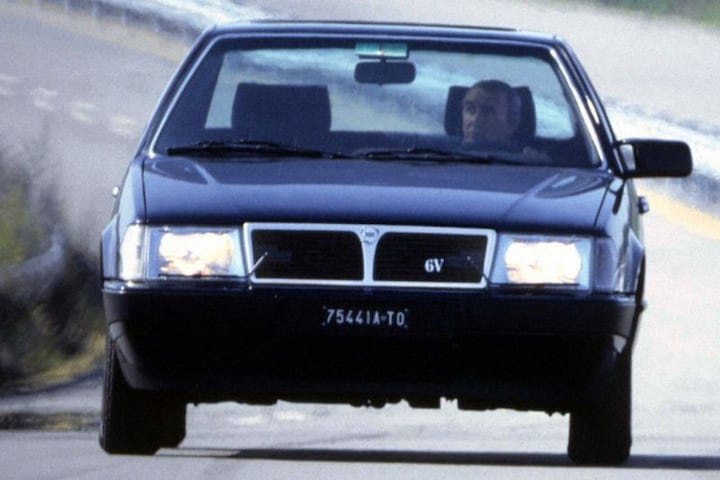
Numerous cars from Peugeot, Renault and Volvo used the V6 that the brands had jointly developed. But the V6 with a 90-degree block angle (originally intended as a V8) could also be found outside those three brands.
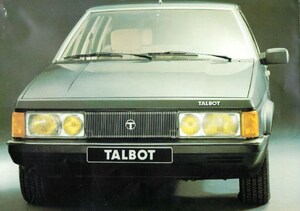
Talbot Tagora SX (1981)
During the development of the Tagora, Talbot (then called Simca) was owned by Chrysler and was considering a six-in-line from Mitsubishi for the car. When the large sedan appears on the market, the brand is incorporated by Peugeot, so the use of the PRV is no surprise.
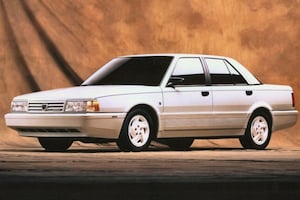
Eagle Premier (1987)
Based on the Renault 25 platform, American Motors Corporation (AMC) is developing its own four-door sedan, the Premier with the PRV V6. Just before the Premier goes into production, Chrysler takes over AMC and the Premier goes into production under the new brand name Eagle.
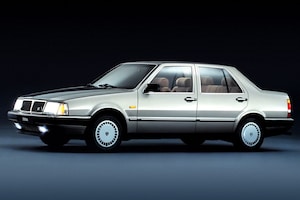
Lancia Thema 6V (1984)
The first six-cylinder Themes have the PRV engine under the hood. When the Fiat group, to which Lancia also belongs, takes over Alfa Romeo, the PRV makes way for the Alfa V6.
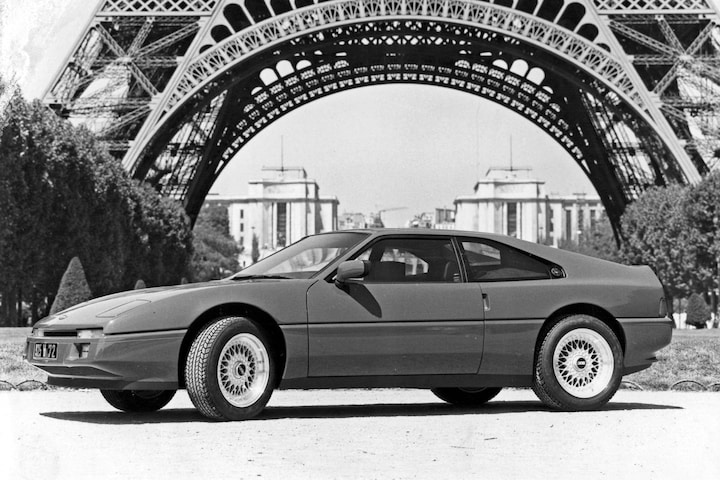
MVS Venturi (1987)
Prototypes of the MVS Venturi are still equipped with four-cylinders from the Volkswagen Golf GTi and the Peugeot 505 Turbo. The production model has the PRV engine, only for the Italian market it is available with a four-cylinder engine: the one from the Renault 21 Turbo.
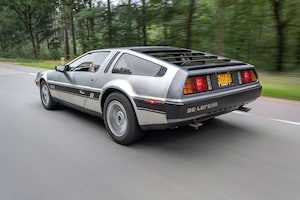
DeLorean DMC-12 (1981)
For the DMC-12, DeLorean initially considered the two-liter four-cylinder from the Citroën CX, but with a turbo. At Citroën they are not very keen on this and suggest using the PRV-V6.
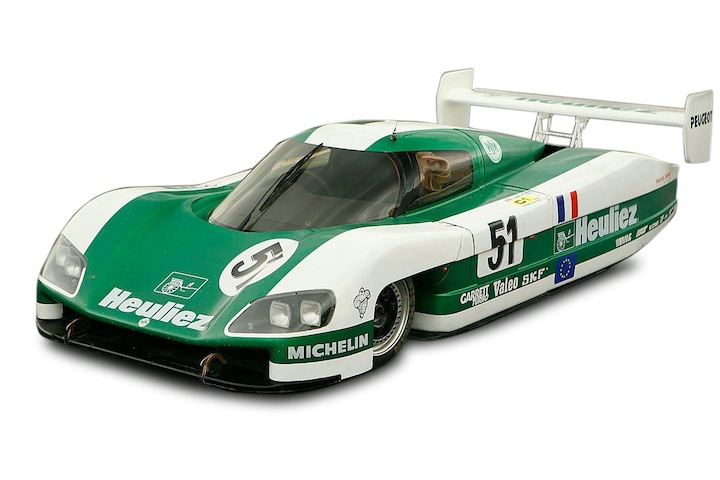
MW P88 (1988)
In 1988, a MW P88 with a PRV engine boosted to 900 hp recorded the highest top speed (405 km/h) ever during the 24 Hours of Le Mans. That record is still in the books.
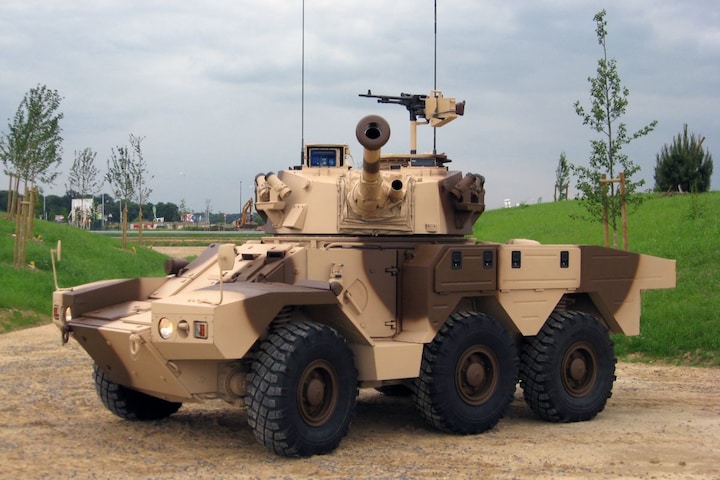
Panhard ERC-90 (1980)
From 1968 onwards, Panhard only builds military vehicles. For the 6×6 ERC-90 they use the PRV-V6. There is even a prototype with two engines, but Panhard cannot find customers for that.
You can read more about the PRV V6 in this article.
– Thanks for information from Autoweek.nl