
At the pace of nations
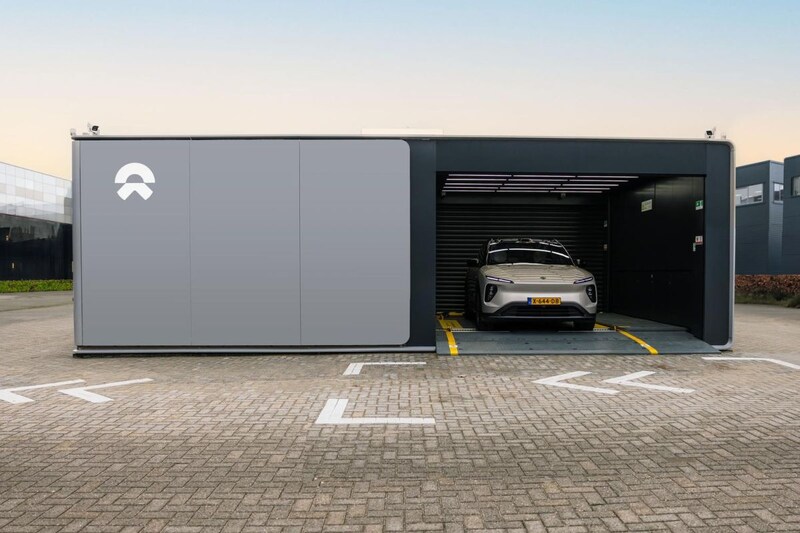
While one manufacturer after another in the United States is switching to Tesla’s charging connection, in China one manufacturer after another seems to be falling for the temptations of Nio’s battery-changing technology. After Changan and Geely, Chery and JAC have now changed tack.
Car sales in the Netherlands are not going well at Nio yet, but there is a good chance that the head office is not so concerned about this. On another level, things are simply going very well: more and more Chinese car manufacturers are entering into cooperation with Nio.
Nio has distinguished itself in the EV world from the start with its battery exchange technology, and has been successful, especially in its home country China, with exchange stations that alleviate suffering when (fast) charging is difficult or impossible. At the swapping stations you can exchange an empty Nio battery for a full one in a few minutes, which also provides the opportunity to choose a larger or smaller battery based on the needs of the moment. According to Nio, this often proves to be a solution, especially in and around large cities, and this has apparently aroused the interest of other car manufacturers.
Rather than reinvent the wheel themselves, Changan and Volvo parent company Geely previously opted to collaborate with Nio. Now it’s Chery and JAC’s turn. This means that these brands will also work intensively with Nio. After all, batteries must meet the Nio standards to be interchangeable. In the case of JAC, the collaboration goes even further, because Nio will also be involved in battery management here.
Chery is not yet known in the Netherlands, but wants to come to Europe with a number of fresh sub-brands. We have driven a JAC product here before, but there is no serious presence yet.
What is now happening in China with Nio technology is somewhat reminiscent of the American situation. There too, all kinds of car brands conform to the standards of a single manufacturer, although in this case it concerns Tesla’s charging connector.
– Thanks for information from Autoweek.nl