
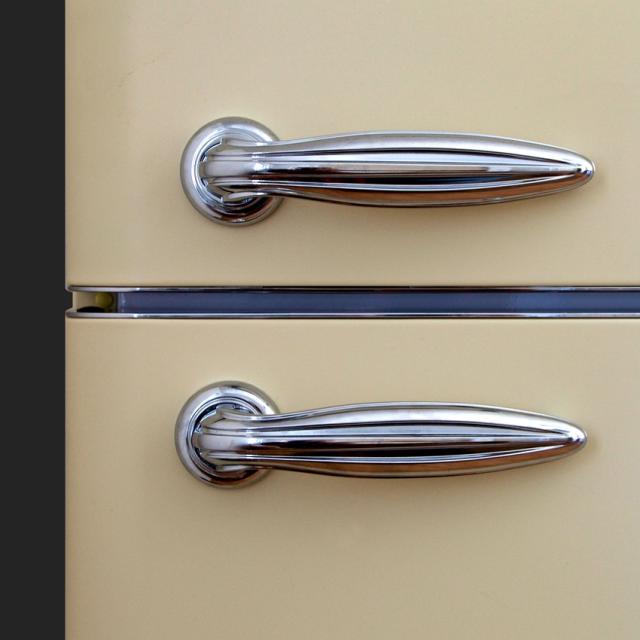
Refrigerators are an essential part of every household, but they can also have a significant impact on your energy bill. Fortunately, there are different ways to prevent unnecessary energy waste and at the same time extend the life of your refrigerator. In this article we discuss some practical tips to make your fridge more energy efficient and to keep your food fresh for longer.
Choose the right size
One of the first steps to prevent energy waste starts with the purchase of your fridge. It is important to choose a refrigerator that matches your needs and the available space in your kitchen. Too large a refrigerator will use unnecessary energy, while a fridge too small can become overloaded and therefore works less efficiently. Measure the available space accurately and consider how much storage space you actually need.
Note the energy label
When buying a new refrigerator, the energy label is an important factor to keep in mind. Refrigerators with a higher energy label (A ++ or A +++) are usually more energy efficient and can save you money on your energy bill in the long term. Although these models are often slightly more expensive to purchase, you often earn back this difference due to the lower energy costs.
For more information about choosing the right fridge, you can read this extensive guide about buying a fridge.
Optimize the temperature settings
The temperature settings of your refrigerator play a crucial role in both energy efficiency and the freshness of your food. The ideal temperature for the refrigerator is between 3 ° C and 5 ° C, while the freezer has to be set to approximately -18 ° C. It is tempting to adjust the temperature lower in the hope that your food will stay fresh for longer, but this can lead to unnecessary energy consumption.
Avoid overflowing shelves
A crowded refrigerator can hinder the air circulation, making the refrigerator work harder to maintain the correct temperature. This not only leads to higher energy consumption, but can also influence the quality of your food. Make sure there is enough space between the items in your fridge, so that the air can circulate freely.
Regular maintenance
Regular maintenance is essential to make your refrigerator work efficiently. Clean the condensor rolls on the back of the refrigerator at least twice a year to remove dust and dirt. This helps the refrigerator to work more efficiently and prevents overheating. Also check the door seals for cracks or damage, since poor seal can lead to temperature fluctuations and energy loss.
Placement of the refrigerator
The location of your refrigerator can have a significant influence on energy consumption. Do not place your refrigerator next to heat sources such as ovens, radiators or direct sunlight, because it makes the refrigerator work harder to maintain the desired temperature. Also make sure there is enough space around the fridge for good ventilation.
Avoid opening the door unnecessarily
Every time you open the refrigerator door, cold air escapes and the refrigerator has to use extra energy to bring the temperature back to level. Therefore, do not try to leave the door open unnecessarily long and plan in advance what you need to minimize the number of times you open the door.
Use of fridge organizers
The use of fridge organizers can help to keep your fridge tidy and organized, making it easier to find what you need without searching for a long time. This reduces the time that the door remains open and helps the fridge to work more efficiently.
Defrost the freezer regularly
If you have a fridge with a freezer compartment, it is important to defrost the freezer profession regularly. A thick layer of ice can reduce the freezer’s efficiency and increase energy consumption. Defrost the freezer when the ice layer is approximately 0.5 cm thick to maintain optimum performance.
This article was created in collaboration with expert