
Plant foods usually contain little vitamin D. Here you can find out how you can still meet your need for the “sunshine vitamin”.
Vitamin D is mainly found in foods that come from animals. For this reason, a vegan or primarily plant-based diet can contribute to an undersupply.
However, food is not the only source of vitamin D. Sunlight is the body’s most important source. The body can produce the vitamin itself through the skin using the sun’s rays (UV-B rays).
The Robert Koch Institute (RKI) explains that with ideal sunlight, the body is able to cover around 80 to 90 percent of its vitamin D requirements itself.
In our latitudes, however, this only applies from March to October. In winter, the intensity of solar radiation is not sufficient. Then the supply of vitamin D through food plays a greater role.
Vitamin D in foods: Vegan and vegetarian
The highest concentrations of vitamin D are found in foods that come from animals – more specifically, animal fats.
The German Nutrition Society (DGE) names fatty fish and eggs as the main sources of vitamin D. Some edible mushrooms are suitable for a vegan diet.
The medical portal DocMedikus provides more detailed information on foods with vitamin D content.
Foods that fit a vegetarian diet:
-
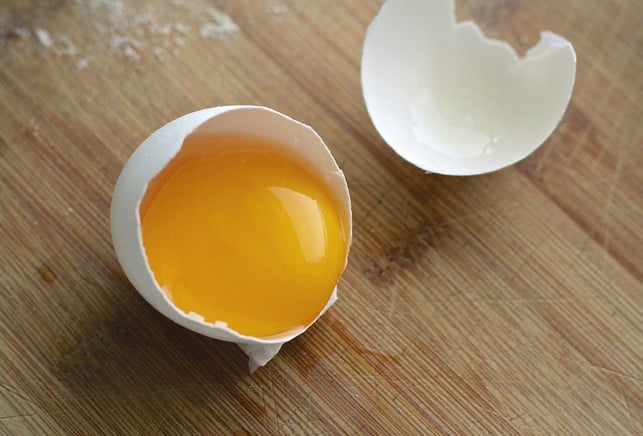
Whole chicken egg at 2.9 micrograms per 100 grams; an egg weighs an average of 50 to 60 grams
-
Gouda cheese with 1.3 micrograms per 100 grams
-
Butter with 1.2 micrograms per 100 grams
-
Whole milk with 0.09 micrograms per 100 grams
Vegan foods with significant vitamin D content:
-
Morels and porcini mushrooms each with 3.1 micrograms per 100 grams
-
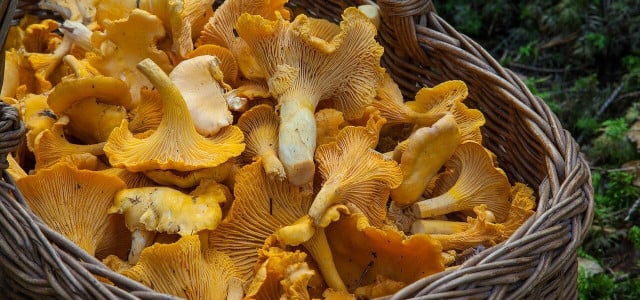
Chanterelles with 2.1 micrograms per 100 grams
-
Mushrooms with 1.9 micrograms per 100 grams
In addition to natural plant sources, the food industry fortifies products such as margarine with vitamin D.
In principle, enrichment with the vitamin requires approval. The Federal Institute for Risk Assessment (BfR) has developed guidelines and maximum permissible quantities for this. The institute confirmed this recommendation for maximum quantities again in a more recent assessment from 2023.
Good vitamin D supply: Not possible through food
The special feature of vitamin D is that the body does not necessarily depend on its supply from food. The UV-B rays in sunlight enable it to produce the vitamin in the skin. Strictly speaking, it is not a vitamin, but rather a hormone precursor or a pro-hormone. The term vitamin actually refers to substances that the body can only absorb through food.
Vitamin D is vital for the body. The medical portal Netdoktor explains that it plays a crucial role in the absorption of calcium in the intestines. It therefore ensures strong bones and teeth as well as strong muscles. Vitamin D also promotes the immune system and has a positive effect on the cardiovascular system and the nerve cells in the brain.
As Netdoktor further reports, scientific research sees connections between an inadequate vitamin D supply and health problems such as diabetes, rheumatism or cardiovascular diseases. Depression such as winter depression could also be related to a vitamin D deficiency.
A vitamin D deficiency can occur especially if you spend most of your time indoors. The RKI recommends going outdoors regularly. For vitamin D synthesis, it is sufficient if you are outside for about half the time that your skin type can tolerate unprotected. For example, you can determine your skin type at AOK using test questions. Let the sun shine on your face, arms and hands. (without sunscreen). For example, try doing a short amount of outdoor fitness every day. Danger! If you spend longer periods in the sun, you need sun protection.
Sunlight is particularly important for vitamin D production from spring to late summer. Your body can store the excess vitamin. It can then draw on these reserves in the tissue in the winter months. In addition, you should eat meals containing foods containing vitamin D more often.
Should you supplement vitamin D?
Modern life often takes place indoors, be it at work or during leisure activities. This means that the most important source of vitamin D, the sun’s rays on the skin, is often neglected.
According to the RKI, if your skin cannot produce enough vitamin D from sunlight, your body needs about 20 micrograms per day from food. On average, however, only two to three micrograms are consumed through a normal diet.
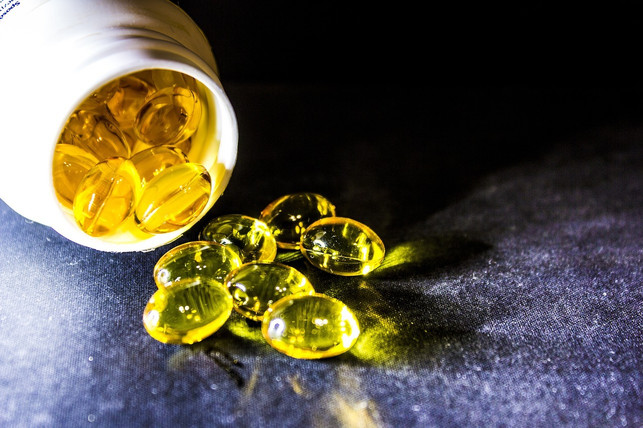
In order to compensate for a proven vitamin D deficiency, institutions such as the RKI or the DGE recommend taking vitamin D preparations. However, you should always get a doctor’s prescription for supplementation with tablets or capsules with vitamin D before you start.
If there is an excess supply of vitamin D, it can lead to health risks. The RKI points out that too much vitamin D can lead to calcium poisoning. The symptoms are nausea and vomiting. In severe cases, kidney damage or cardiac arrhythmias can occur.
If you follow a vegan diet, you should know the difference between vitamin D3 and vitamin D2 when it comes to supplements.
-
Vitamin D2 (Ergocalciferol): It comes from plants. The disadvantage, however, is that the body converts plant-based vitamin D2 differently. Researchers suspect that he has a harder time processing it.
-
Vitamin D3 (cholecalciferol): It is contained in animal fats and the body can utilize it somewhat better.
A compromise for an ethical diet without major animal suffering could be vitamin D3 from sheep’s wool.
Revised by Martina Naumann
Read more on Techzle\.com:
- Are eggs healthy? Nutritional values and important information
- Dry mushrooms: In the oven or in the air
- Vegan food pyramid: How to achieve a healthy diet
** marked with ** or orange underlined Links to sources of supply are partly partner links: If you buy here, you are actively supporting Techzle\.com, because we then receive a small part of the sales proceeds. More info.
You might also be interested in these articles
-
Ultra-processed foods: This is why you should avoid them
-
Breading without eggs: This is how you make a vegan breading for schnitzel etc.
-
Innovations: what sustainable new products can achieve
-
Regional alternative products: natural, plant-based, delicious
-
Delicious & plant-based: 5 simple tips for a good protein supply
-
Vegan Pizza: A recipe for pizza without cheese
-
Nutrition expert: This is the perfect breakfast – and here’s how to prepare it
-
9 regional coffee alternatives: Coffee substitutes made from grains, dandelions or acorns
-
Make your own quince jelly: a simple recipe