
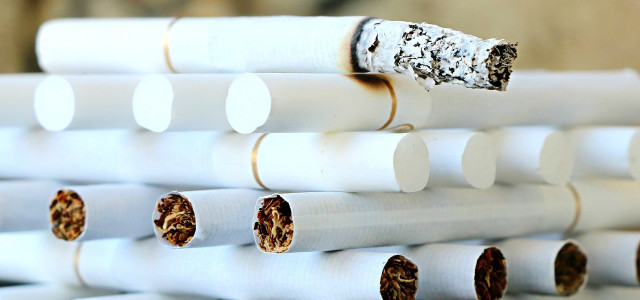
Quitting smoking has many positive effects on your health. Here you can find out what happens in the body from a few minutes to several years after the last cigarette.
Smoking is one of the most harmful habits that can cause a variety of health problems. If you decide to quit smoking, you will notice a variety of positive changes in your body.
Quitting smoking has long-term consequences that can last for years or even after a short period of time. According to Netdoktor, blood pressure and pulse drop just 20 minutes after the last cigarette. After twelve hours, the carbon monoxide in the blood decreases, so that the organs are better supplied with oxygen. Further positive effects (especially on the lungs and heart) follow.
Quitting smoking: consequences in the first few weeks
There are positive effects on your health in the first few days and weeks after your last cigarette. The editorial network Germany (RND) summarizes them:
- After about two smoke-free days, the nerve endings have regenerated. This means that people who stop smoking perceive the taste and smell more intensely again after a short time.
- Another day later, the bronchi can work better.
- After two to three weeks, the mucus in the airways has cleared up and smokers can generally breathe better. Endurance and circulation also improve after a few weeks.
- In addition, after two weeks to three months, blood circulation has improved significantly. Better blood circulation in turn increases well-being and gives us a feeling of more energy and strength. Lung function is also significantly better after two smoke-free weeks, according to NetDoktor.
- However, after you stop smoking, it takes about nine months for your lungs to be able to clean themselves again. Then the cilia in the airways begin to remove pollutants and mucus from the lungs more effectively. Among other things, this means that the immune system becomes stronger and is better able to defend itself against pathogens. Respiratory diseases and respiratory problems may decrease.
This is why you should stop smoking: Long-term consequences
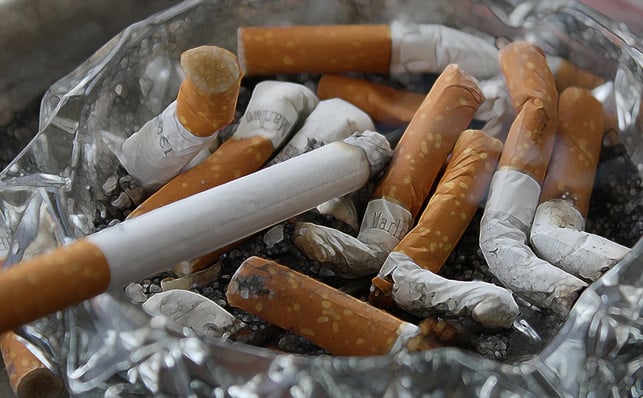
Quitting smoking has other consequences for the body that become more and more important as time goes on:
-
Reduced cardiovascular strain: Smoking is one of the most significant risk factors for heart disease and stroke. After quitting smoking, the body begins to normalize its blood pressure and pulse. The load on the heart is reduced and the risk of cardiovascular disease decreases over time. According to NetDoktor, the risk of a heart attack or stroke decreases after just six to twelve weeks. After 15 years, the risk of both diseases is at the same level as non-smokers.
-
Improved lung function: If the lungs have not yet suffered any serious damage from smoking, they can regenerate within one to two years, according to Netdoktor.
-
Reduced risk of cancer: Smoking is one of the main risk factors for several types of cancer, including lung, oral, esophageal and pancreatic cancer. According to the German Cancer Research Center, smoking is the cause of almost one in five cancer diagnoses. Although the risk of cancer can never be completely eliminated, it decreases significantly with every smoke-free year and not smoking is the best prevention against lung cancer.
-
Skin and hair: Smoking contributes to premature skin aging and can cause wrinkles and pigmentation disorders. Smoking can also disrupt wound healing and worsen existing skin diseases. According to Netdoktor, after a few months without smoking, the skin will be better supplied with blood again, which can lead to a fresher and healthier complexion. The hair can also benefit from better blood circulation and become stronger and shinier again.
-
Weight changes: According to Netdoktor, many people who stop smoking may initially gain weight because their metabolism changes after smoking. In addition, some former smokers are now increasingly turning to unhealthy foods instead of cigarettes to distract themselves from their cravings. However, over time both effects can level off.
How to stop smoking?
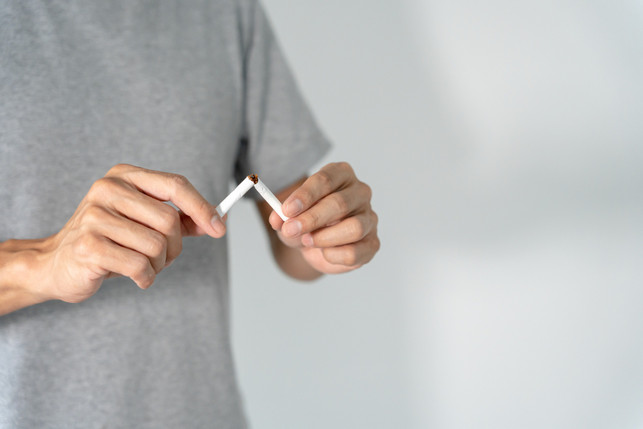
The sooner you stop smoking, the better. According to a study, you can protect yourself from almost all complications by stopping smoking in a timely manner. In addition, your life expectancy is significantly increased if you stop smoking early.
Whether you would rather quit smoking gradually or stop picking up a cigarette overnight depends on your individual needs and personality. There is no general right or wrong here. The approaches you can try are also varied.
According to rauchfrei-info.de, the following methods can help you stop smoking:
- Nicotine replacement therapy
- drug treatments
- Behavioral therapy
- hypnosis
- acupuncture
You will also find concrete tips on how to stop smoking on the site – for example, how you can react to withdrawal symptoms and cravings and how exercise and a healthy diet can support you on your way. In addition to free advice, there is also the opportunity to exchange ideas with other people in the same situation in a community.
Another advisory service, for example, is the smoke-free program of the Federal Center for Health Education. There are various course offerings that suit your individual needs. Participation in the course is also recognized and supported by statutory health insurance companies.
Edited by Laura Hintereder
Read more on Techzle\.com:
- Smoking: recognizing and combating withdrawal symptoms
- Herbal cigarette: Why you should avoid the tobacco substitute
- Remove the smell of smoke: This will make your apartment smell fresh again
** marked with ** or orange underlined Links to sources of supply are partly partner links: If you buy here, you are actively supporting Techzle\.com, because we then receive a small part of the sales proceeds. More info.