
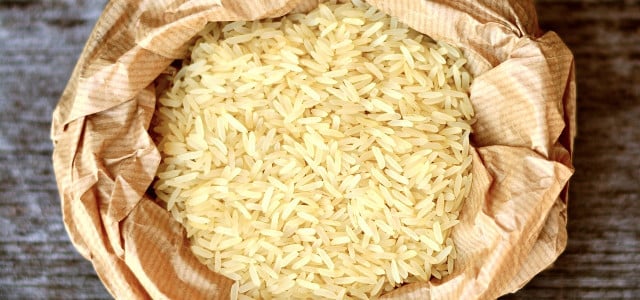
Arsenic is a naturally occurring substance that is toxic to humans. But it is also contained in foods, for example rice, baked goods, milk and drinking water. But at what dose is arsenic dangerous?
Arsenic is a semimetal that occurs naturally. Many rocks contain arsenic, which rain washes out and wears away over time. These are often volcanic rocks that contain arsenic.
Humans are also doing their part to ensure that more arsenic is released into nature: arsenic can be produced when burning fossil fuels and when processing lead and copper. Phosphorus fertilizer also contains many heavy metals – including arsenic.
Arsenic accumulates in nature through these many pathways and finds its way into our food through rice and grain cultivation. Caution is advised because arsenic is considered harmful to our health.
Arsenic in rice: stricter limits
Scientists, consumer protection organizations and monitoring authorities repeatedly find residues of inorganic arsenic in food. The most famous are the arsenic discoveries in rice:
-
Whole grain rice is usually particularly contaminated with arsenic, as Öko-Test has found. As a result, sales of two products were stopped in 2023.
- The arsenic content of basmati rice is extremely low, explains Stiftung Warentest. The experts suspect that this is due to the low arsenic content in the basmati growing area.
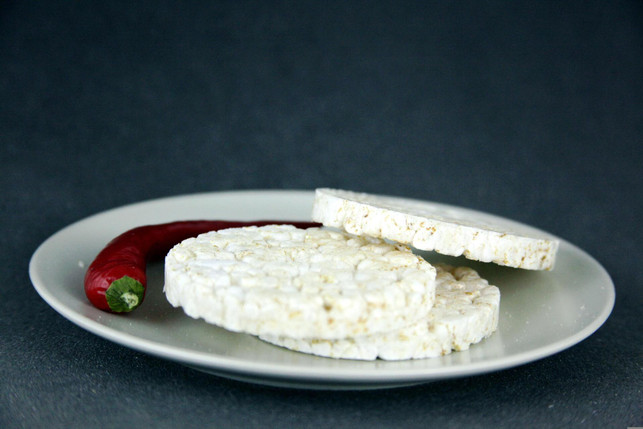
- However, the arsenic content in processed rice products is again quite high. Despite prescribed limit values, Öko-Test also found arsenic in rice cakes in 2023.
The Federal Office for Risk Assessment examined how much arsenic different population groups consume through rice. Even if it is only a small amount, there is a connection with an increased risk of lung cancer. Nevertheless, you don’t have to completely avoid rice. Instead, the Federal Office recommends varying between different types of grain when cooking. Millet, for example, can also be a good alternative to rice.
Limit values for arsenic in rice have been in effect in the EU since 2016. These were tightened again in 2023:
- Products for infants and young children: 0.02 mg/kg
- White or polished rice: 0.15 mg/Kg
- Pre-cooked and peeled rice: 0.25 mg/Kg
-
Rice cakes: 0.3 mg/kg
However, according to the BfR, the arsenic content also depends on the preparation. If you wash the rice well beforehand and cook it with plenty of water, you can reduce the arsenic content.
Arsenic in other foods
Scientists have also detected arsenic in many other foods. In 2015, a German research team came to the conclusion that for us in Germany…
- …bread and rolls are the largest sources of arsenic. Although baked goods are not as contaminated as rice, we eat them more often. That’s why baked goods made from wheat are our biggest source of arsenic.
- … Milk and milk products as well as drinking water are the greatest source of arsenic risk for children and infants in Germany.
However, there are no arsenic limit values for many products. In addition to rice and rice products, only drinking water has a limit (maximum 10 mg per liter of liquid).
Toxic effects of arsenic: How toxic is the metalloid?

Inorganic arsenic is classified as carcinogenic and can enter all organs of the body. In addition to cancer, it can cause skin damage and heart disease. If pregnant women ingest arsenic, it can be passed on to their unborn child. A safe daily intake level has not yet been defined, as the consumer advice center writes.
It is also not possible to generalize at how many milligrams of arsenic are fatal. The substance affects each person differently and the effect depends on many factors, for example body weight. But 60 milligrams can be fatal in some people. Symptoms of acute poisoning can include nausea, vomiting, diarrhea, colic and bleeding.
However, there is no reason to worry about acute poisoning. The European Food Safety Authority (EFSA) calculated in 2015 that…
- … small children in Europe consume up to 2.09 micrograms of arsenic (maximum value) per kilogram of body weight daily. However, you have an increased risk of cancer.
- … the risk of cancer increases in adults if they consume a daily dose of arsenic between 0.3 and 8 micrograms per kilogram of body weight.
Avoid arsenic and rice?
As already mentioned, BfR experts see no acute danger from arsenic with a varied and balanced diet. To avoid arsenic as much as possible, you can remove foods that contain arsenic from your diet or eat them less often. This works with the following alternatives:
- Replace rice with millet, quinoa or buckwheat
-
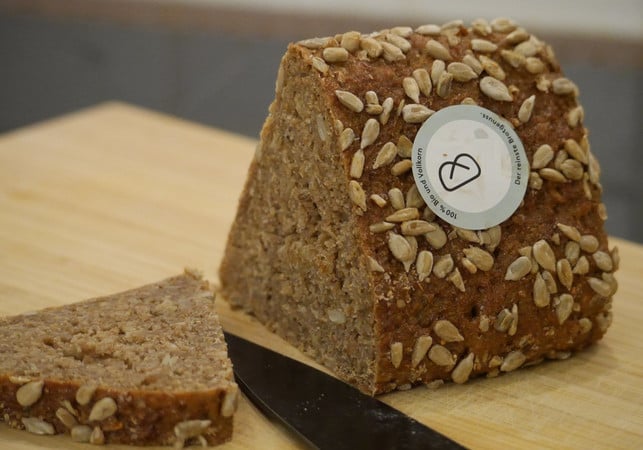
Eat rye bread instead of white bread
- Replace cow’s milk with plant-based milk
Edited by Lea Hermann
Read more on Techzle\.com:
- Mineral water test: Which is the best mineral water?
- Types of rice and their special features: You should know these
- Cooking brown rice: How it works and why it is so healthy
** marked with ** or orange underlined Links to sources of supply are partly partner links: If you buy here, you are actively supporting Techzle\.com, because we then receive a small part of the sales proceeds. More info.