
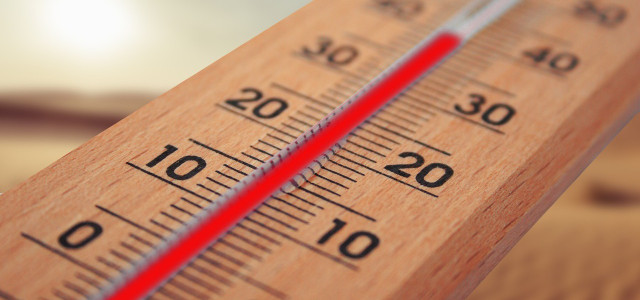
Heat exhaustion can easily occur in the summer if you expose yourself to high temperatures for too long. Here you can find out how you can prevent exhaustion.
Heat exhaustion usually occurs when we exert too much physical exertion in high temperatures and drink too little. You then sweat out a lot of fluid and electrolytes and do not make up for this loss with enough water. Your body then cannot sweat enough to cool you down effectively. This can lead to unpleasant symptoms such as dizziness, fatigue, nausea and vomiting.
Heat exhaustion can even become life-threatening, especially for older people and children, if it develops into heat stroke.
How does heat exhaustion occur?

Heat exhaustion occurs, for example, when you do sports on hot days in summer, go on long hikes, or physically exert yourself doing manual work in the midday heat at work, in the garden or around the house. Like heat stroke and sunstroke, heat exhaustion is also considered a heat injury from a medical perspective.
When exposed to heat and exertion, our body begins to sweat profusely and the blood vessels in the skin enlarge. Both are mechanisms to better release heat and thus regulate body temperature. Dehydration occurs, especially if we don’t drink enough. So we lose fluids and electrolytes without replenishing supplies. As a result, our blood thickens and the heart has to work harder in order to continue to transport enough blood through the circulatory system. This then leads to heat exhaustion.
Depending on the extent of exhaustion, different and sometimes very unspecific symptoms occur. The first signs usually include thirst, dizziness, problems with coordination, fatigue and muscle pain. The following symptoms may also occur:
- weak but faster pulse
- Headache
- Nausea and vomiting
- shortness of breath
If you don’t rest and don’t drink fluids when you’re experiencing heat exhaustion symptoms, it can lead to heat stroke. This can lead to, for example, shortness of breath, fainting or seizures. The heat damage can then become life-threatening. If you see a person who is probably suffering from heat stroke, you should immediately call 911. As a first aid measure, you should move the person out of the sun to a cooler, shady place and cool them down, for example with cold water and cloths. In the case of children, older people and weakened people, it is particularly important to act quickly.
Avoid heat exhaustion: with these tips
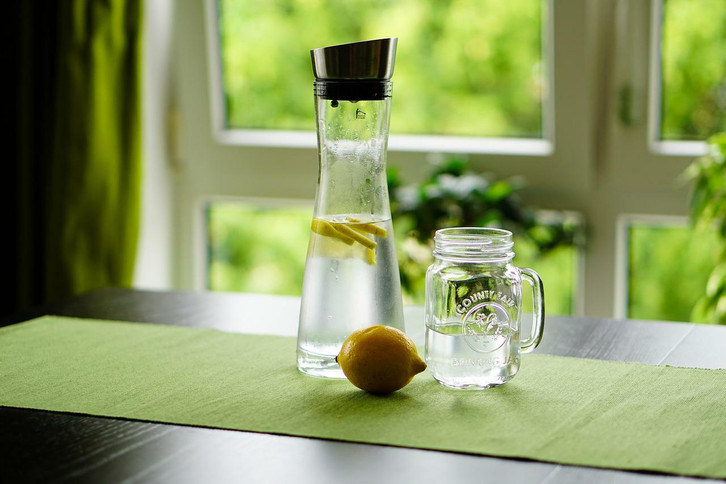
To avoid heat exhaustion in the first place, you can follow the following tips, especially on hot days:
- If possible, do not perform strenuous tasks in very high temperatures. It’s also better not to do any sports right now. On hot days, for example, you can move your workout to the early morning hours. Morning exercise isn’t just a good idea to avoid heat.
-
Drink plenty of water, a glass every one to two hours on hot days, even if you are not yet thirsty. Fresh, water-rich fruits and vegetables can also help you keep your body hydrated. You can also drink an electrolyte drink.
- Wear light-colored, breathable clothing. This prevents you from sweating too much. Also make sure to wear a sun hat when in direct sunlight. Long clothing and enough sunscreen will also protect you from sunburn.
-
Avoid alcohol – it lowers your blood pressure and increases the risk of exhaustion in the body, even in hot weather.
- Cool down with a fresh bath or shower. You can also place towels that you dip in cold water on your forehead, arms and legs to cool down. However, make sure that you do not use ice-cold water. This causes the blood vessels to contract and the body to retain heat even better inside.
Edited by Denise Schmucker
Read more on Techzle\.com:
- Too warm to sleep? 9 common mistakes that keep you awake at night in the heat
- 7 mistakes you shouldn’t make when it’s hot
- Animals suffer from the heat: This is how you can help birds, hedgehogs, insects and pets
Independent journalism needs people who stand behind it – including in Google searches. Now send a signal for more sustainability and → Save Utopia as a preferred source.
** marked with ** or orange underlined Links to sources of supply are partly partner links: If you buy here, you are actively supporting Techzle\.com, because we then receive a small part of the sales proceeds. More info.