
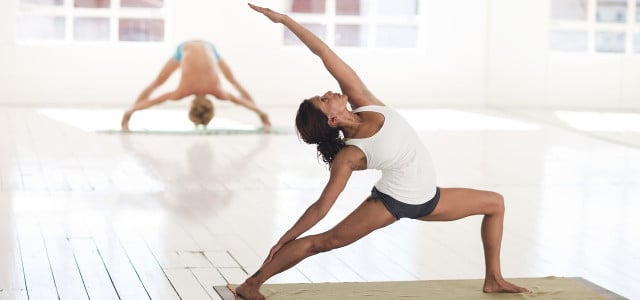
Power Yoga is all about one thing: power! This modern style of yoga is particularly sweaty and strenuous. We explain to you what is behind Power Yoga and when the style is suitable for you.
Ashtanga, Vinyasa, Jivamukti or Kundalini: Most yoga styles are named after Sanskrit and so don’t reveal much about the practice. Things are different with Power Yoga: The eponymous term “Power” means something like “energy” or “strength” in German – so it really gets down to business and you start to sweat.
Power Yoga: Modern style with traditional roots
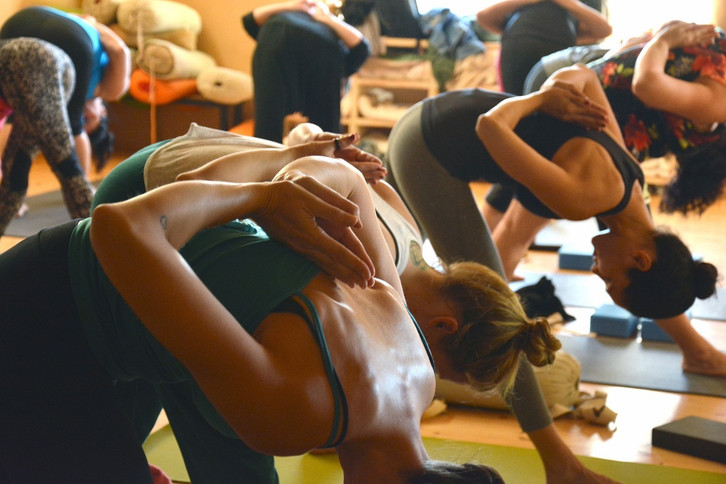
Power Yoga was invented in the 1990s by American yoga teacher Bryan Kest. Kest’s yoga style is based on traditional Ashtanga yoga, which he significantly modifies in two aspects:
- On the one hand, there should be no prescribed order in Power Yoga, but rather the lessons should be able to be adapted and varied to the students’ level.
- On the other hand, Bryan Kest focuses on physical practice and deletes practically all spiritual elements as well as meditation and breathing exercises.
In doing so, he makes yoga practice more accessible to Western cultures, where many people at the time still associated yoga with esotericism for hippies. Since then, Power Yoga has been a style that trains the body as a fitness workout. This is particularly well received in western America.
Bryan Kest himself emphasizes the importance of mindfulness and meditation and, in addition to holistic health and nutrition, has also studied Vipassana meditation.
Features of Power Yoga: Sweaty flows and powerful movements
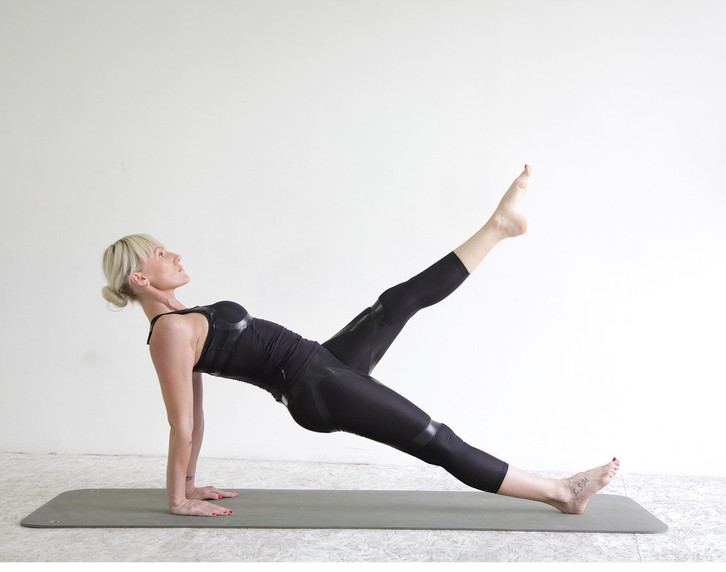
In a typical power yoga class, the strong influence of Ashtanga or Vinyasa yoga can be clearly seen: The processes are based primarily on the asanas (postures) of the first series in Ashtanga yoga. Unlike its traditional form, in Power Yoga the sequences are not fixed, as already mentioned, but are varied depending on the lesson and the student.
Many asanas are practiced that, in addition to Ashtanga Yoga, are also known from Hatha Yoga:
- A power yoga class usually begins with several sun salutations to warm up the body.
- This is followed by many well-known postures such as the dog (Adho Mukha Svanasana), the triangle (Trikonasana), the chair (Utkatasana) or the crow (Bakasana).
- These postures are usually fluently linked to one another: This practice is known as Vinyasa and makes power yoga a dynamic yoga style that keeps your pulse racing.
In addition, dynamic sequences and movements are incorporated, for example from the downward dog to the support position and back again.
Little space for spirituality: The focus in Power Yoga
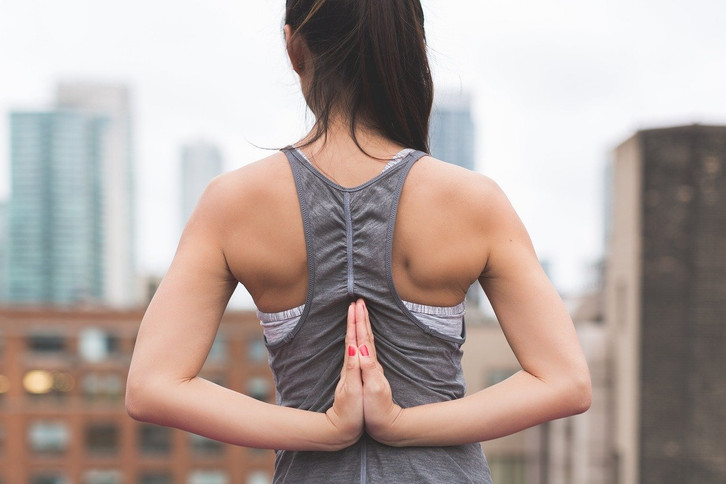
It’s not just the physically demanding practice that has given Power Yoga its reputation as a fitness workout: unlike many other styles of yoga, neither meditation nor pranayama (breathing exercises) are part of normal classes – not to mention spiritual practices such as chanting mantras or studying ancient Indian texts. In Power Yoga the focus is clearly on physical exercise.
That’s why Power Yoga and its offshoots like Power Vinyasa Yoga and Power Core Yoga have found their way into gyms where there are no meditative or spiritual practices. Such yoga styles are often offered as workouts or sports lessons.
Since Power Yoga is not a protected term, it is often used to describe and advertise quite different offerings. Fitness clubs in particular offer sports activities called power yoga, which have more in common with classic workouts or aerobics than with yoga.
Nevertheless, according to inventor Bryan Kest, regular power yoga should not only lead to a toned body, but also contribute to a calmer mind. Because even if there is no silent meditation, the exercises require a lot of mindfulness. So even a yoga class with a workout character can lead to inner peace.
Not just power yoga: traditional yoga is also important – and creates awareness
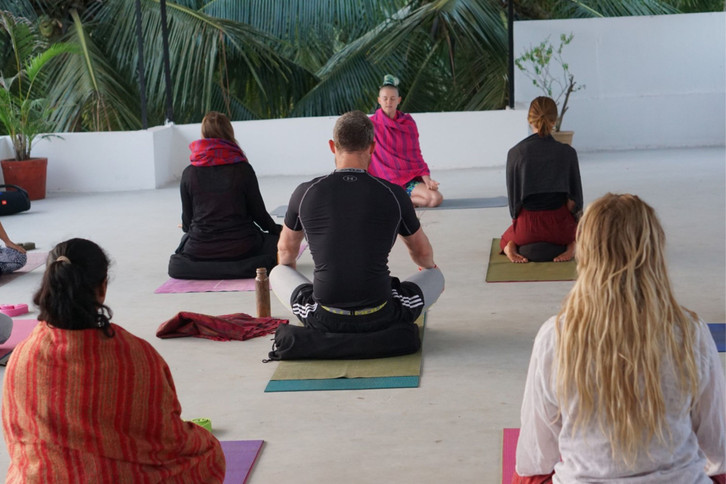
Even though power yoga is more widespread, it doesn’t hurt to try traditional yoga from time to time. Because yoga is so much more than movement, stretching and flexibility – this is often forgotten in modern yoga styles. According to the German Academy for Traditional Yoga eV, traditional yoga is also about philosophy and experiencing a blissful state of consciousness. Yoga also stands for a conscious life and spiritual growth.
In traditional yoga, the Yamas and Niyamas also play an important role – the ethical principles of yoga. For example, it’s about acceptance for yourself and those around you, which can help you move forward in life.
Modern yoga also has something to do with colonialism and cultural appropriation. Therefore, realize that yoga is a teaching that is several thousand years old and originally comes from India. Yoga is always about self-discipline and self-reflection, as yoga teacher Susanna Barkataki explains – and not just about the sporting aspect.
Alternatives to Power Yoga
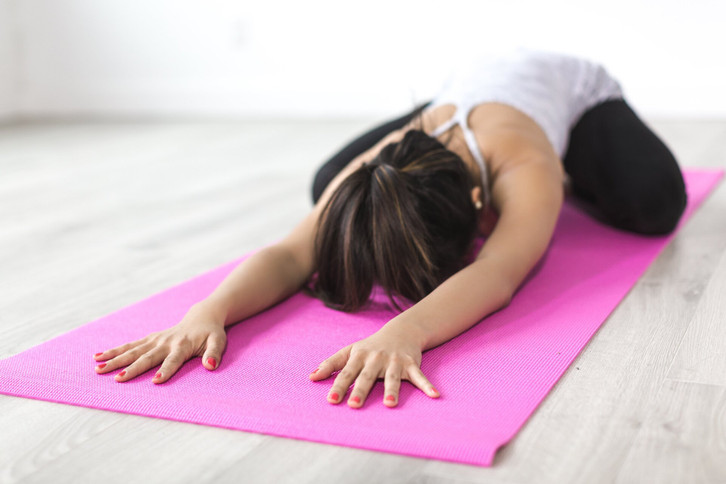
With its clear focus on physical exercises, Power Yoga and its offshoots are particularly suitable for you if you want to keep your body fit, build muscles, become more flexible or lose weight. But you shouldn’t expect spirituality, breathing exercises or meditation. Since power yoga lessons vary significantly depending on the studio and teacher, it is best to look at and try out several offers.
If Power Yoga isn’t for you, there are alternatives:
- If you are looking for a holistic yoga style with meditative elements, you should check out Jivamukti Yoga and Ashtanga Yoga.
- If all of these styles are too strenuous for you, classic Hatha Yoga might be something for you.
-
Yin yoga, on the other hand, is the right thing if you want to take it easy or are looking for a balance to power yoga.
- If your focus is clearly on spiritual and meditative practice, Kundalini Yoga might suit you. It’s kind of the opposite of Power Yoga.
Edited by Lea Hermann
Read more on Techzle\.com:
- Does an acupressure mat help against back pain? Everything about how the Shakti mat works
- Cleaning a yoga mat: tips for every material
- Chakra meditation: How to open your chakras
Independent journalism needs people who stand behind it – including in Google searches. Now send a signal for more sustainability and → Save Utopia as a preferred source.
** marked with ** or orange underlined Links to sources of supply are partly partner links: If you buy here, you are actively supporting Techzle\.com, because we then receive a small part of the sales proceeds. More info.