

The fact that certain foods can have a positive effect on sleep may sound like a myth. But there are a few candidates that research shows can really help.
Eat a little something in the evening and maybe even sleep better afterwards? Pistachios and sour cherries are repeatedly recommended in health media. This isn’t entirely out of the blue: some foods contain melatonin or substances that are involved in its formation. However, you shouldn’t expect the same effect from a snack as from a melatonin supplement.
Tart cherries are the best studied
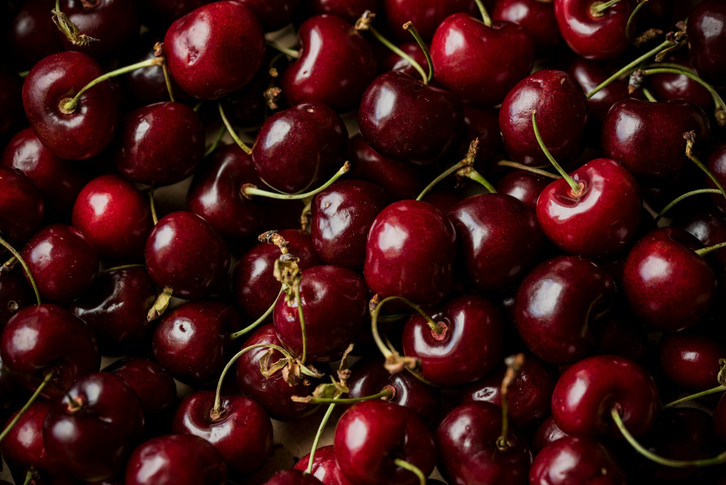
Montmorency tart cherries in particular have been examined in several small studies. A systematic review found evidence of improvements in sleep duration, sleep efficiency or time to fall asleep in some studies. However, the results were not uniform and the studies differed greatly in terms of dosage and the selection of test subjects. The researchers therefore rate the evidence as promising, but not yet clear.
Sour cherries contain small amounts of melatonin and tryptophan, from which the body can produce melatonin. There are also anthocyanins and other polyphenols, which have antioxidant and anti-inflammatory effects. Small studies with tart cherry juice suggest that these substances together may influence melatonin and tryptophan metabolism. Whether and to what extent this improves sleep has not yet been conclusively clarified.
Important: Sour cherry juice or concentrates were often examined. This does not automatically mean that a handful of dried sour cherries in the evening has the same effect.
Other sour cherry varieties than Montmorency usually contain fewer of the substances tested and the amounts can vary greatly.
Dried sour cherries are still suitable as a snack. It’s best to pay attention to whether they are additionally sweetened – dried fruits contain concentrated fructose anyway.
Pistachios: Not quite so clear
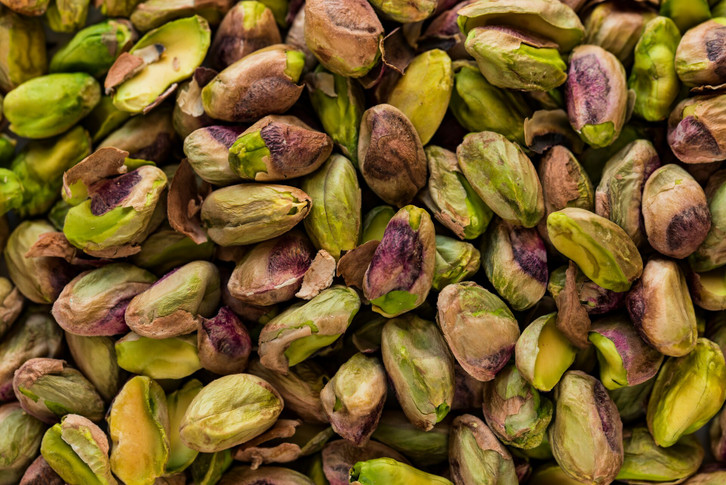
For pistachios, the common recommendation is not based on human studies of sleep quality, but rather on measurements of melatonin levels. However, this can vary greatly, which is why you shouldn’t rely too much on pistachios to help you sleep.
Since the sleep-promoting effect of pistachios has not been proven, you should eat them for pleasure. In order to benefit from the general health-promoting effects of nuts, you can also replace them with local alternatives.
Walnuts, for example, are also grown in Germany. You can find regional goods especially in September and October. Walnuts also contain substances that are being studied in connection with sleep metabolism. However, a reliable sleep-promoting effect of a normal serving has not been proven.
Melatonin in capsules and sprays, in foods and as the body’s own hormone

Melatonin is, first of all, a hormone produced by the body and follows a clear day-night rhythm: its release increases in the dark and slows it down in light. Melatonin does not simply make you “tired” like a sedative, but rather acts as a time signal for the internal clock. In a sense, it tells the body: “The biological night begins now.” Therefore, the effect depends heavily on when melatonin is present – not just on how much of it is circulating in the body.
Melatonin from food generally enters the body via the digestive tract. The key difference, however, is the dose: it is usually only found in foods in very small and highly fluctuating amounts. In addition, fats, proteins, fiber and other ingredients can influence how quickly and how much melatonin is absorbed. The BfR therefore emphasizes that it cannot be deduced from the current data what amount of a food containing melatonin corresponds to a specific dose of isolated melatonin.
With capsules, tablets or sprays, however, melatonin is isolated and absorbed in a defined amount. With quick-release preparations, the dose enters the body in a relatively concentrated form; Extended-release preparations release them more slowly. This can result in completely different melatonin levels in the blood than after consuming a food with the same theoretical total amount.
The consumer advice center also points out that the actual amounts of melatonin in dietary supplements can sometimes differ significantly from the declaration.
And even a precisely dosed capsule does not have the same effect on everyone. Because melatonin primarily shifts or stabilizes the sleep-wake rhythm, an additional dose is particularly helpful when the timing and internal clock match. It is not a classic sleeping pill that reliably “switches off” regardless of the time. In studies, the effect on the time it takes to fall asleep is usually rather moderate; the consumer advice center says an average of around ten to 20 minutes.
Which foods are still interesting?
In addition to sour cherries, kiwis, tomatoes and milk appear in studies. A review of foods containing melatonin names kiwis and tomatoes as possible candidates, but also emphasizes that the results are still very ambiguous.
Recommended evening snacks include:
- Natural yogurt with oat flakes and a few sour cherries
- a small banana with walnuts
- warm porridge with milk or plant-based drink
- Kiwi with natural yogurt
- a small handful of walnuts instead of salty snacks
What is important is less a single “sleeping substance” than a snack that is not too heavy, too fatty or too sweet. So it can be part of a good evening routine.
When it comes to animal products, we recommend looking for strong organic seals such as those from the farming associations Bioland, Naturland and Demeter.
Read more on Techzle\.com:
- Banana water: Simple recipe for the sleeping potion
- Slept badly? This will help you get through the day well
- Lemon next to the bed: what this trick helps with
Independent journalism needs people who stand behind it – including in Google searches. Now send a signal for more sustainability and → Save Utopia as a preferred source.
** marked with ** or orange underlined Links to sources of supply are partly partner links: If you buy here, you are actively supporting Techzle\.com, because we then receive a small part of the sales proceeds. More info.