
Profit for EVs and climate
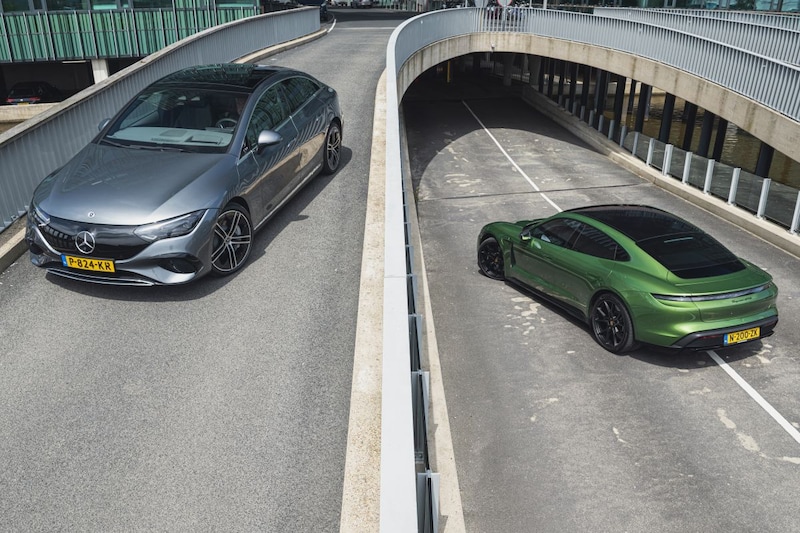
Solid state batteries are expected to become commonplace in electric cars in the second half of this decade. Scientists expect a lot from these solid state batteries, both for EVs and for the environment and climate.
Electric cars themselves do not emit CO2 or other gases that contribute to climate change or are bad for the environment. Emissions do occur during production, however, and the generation of the electricity they consume also causes emissions. Indirectly, it therefore matters a lot how efficient the batteries are and how ‘clean’ they are produced. If electric cars are equipped with so-called solid-state batteries, their impact on the environment could be considerably smaller than that of current lithium-ion batteries. Researchers have come to this conclusion in an analysis for the environmental organization Transport & Environment.
Up to 39 percent less emissions
According to the authors of the report, the amount of greenhouse gases released by the production and use of cars with these next-generation batteries could be reduced by almost a quarter. If the necessary raw materials are extracted in the most sustainable way, those emissions can even be reduced by 39 percent.
Solid state batteries are in full development. Unlike current batteries, they do not contain liquid electrolytes. Another important difference is that they have a higher energy density. In addition, less material is needed to make them. Taken together, a solid-state battery of the same weight can take a car further than a lithium-ion battery. The emissions per kWh are therefore lower, according to the researchers of the specialized agency Minviro. They expect the new kind of battery to break through in the second half of this decade.
Way of mining essential
Exactly how much lower the emissions are is closely related to the way in which the raw materials are mined. For example, if lithium is extracted from the mineral spodumene, or from sediment, it is a lot more polluting than if it is extracted from brine or from water pumped from deep within the earth. Currently, lithium is mainly mined in a polluting way. Transport & Environment calls it ‘crucial’ to ensure that this is done sustainably.
.
– Thanks for information from Autoweek.nl