
Ready for the retake
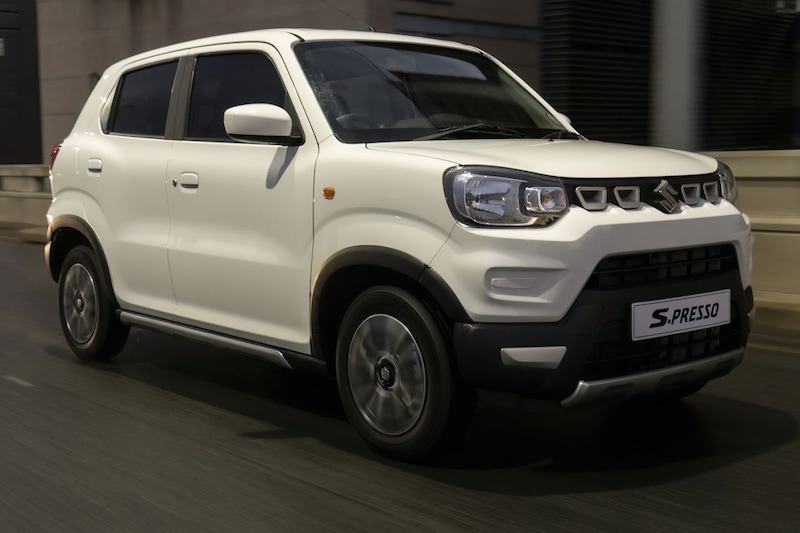
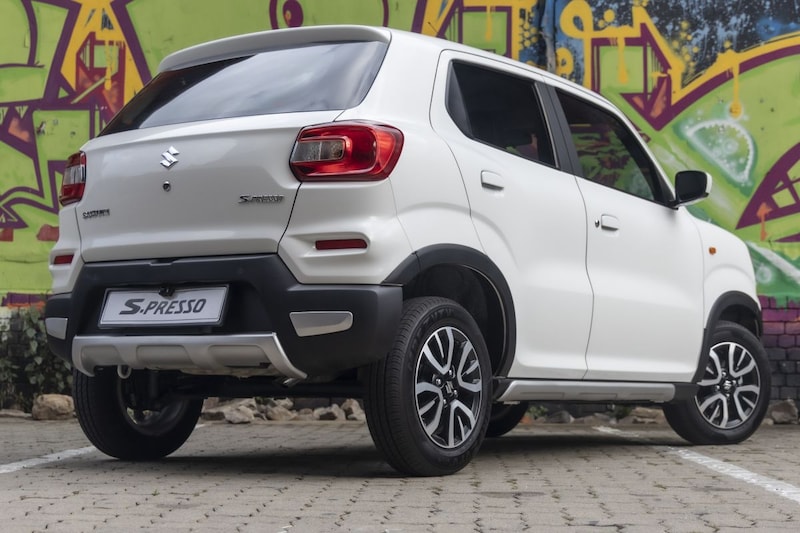
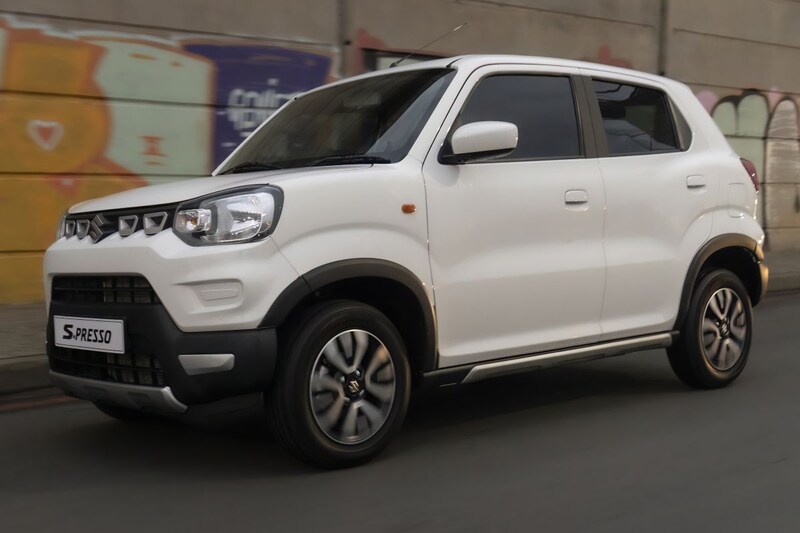
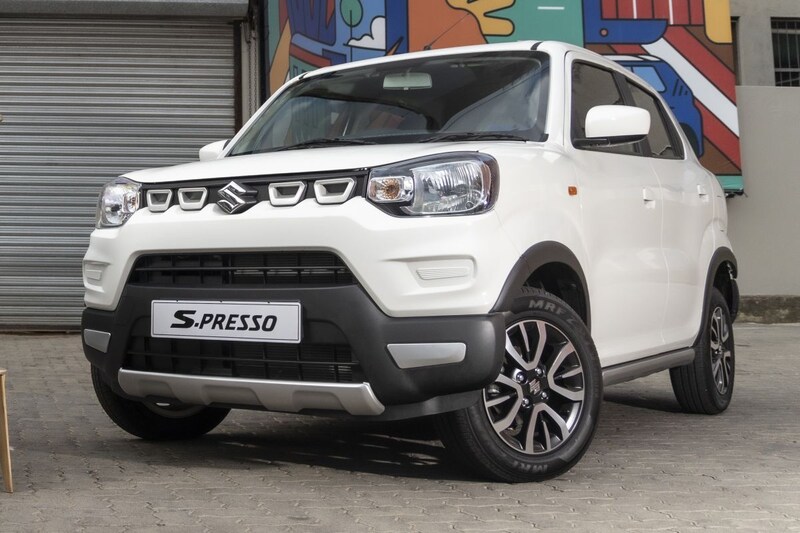

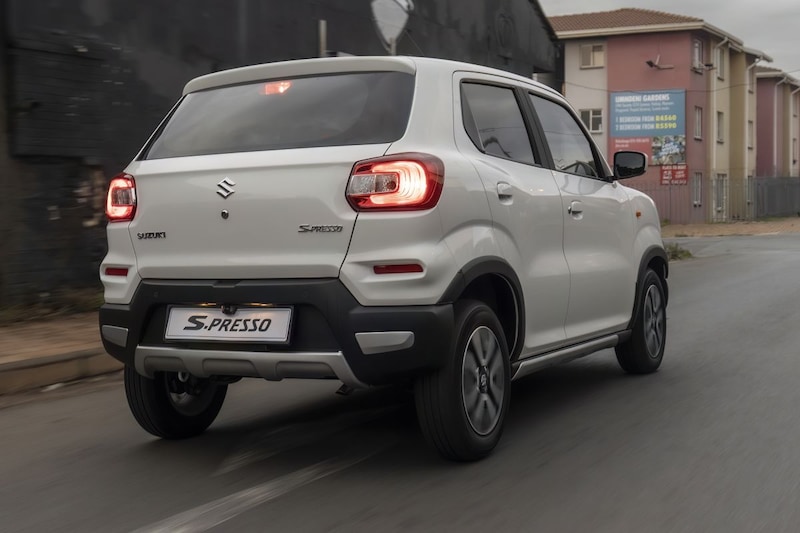

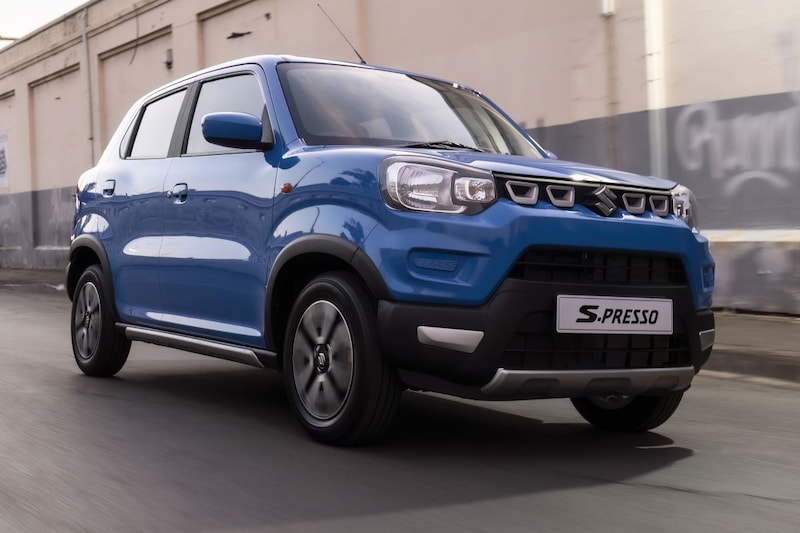
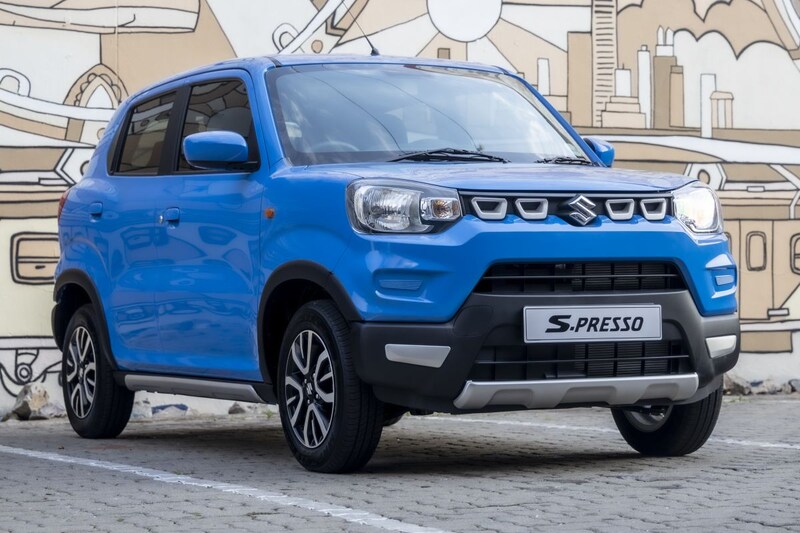
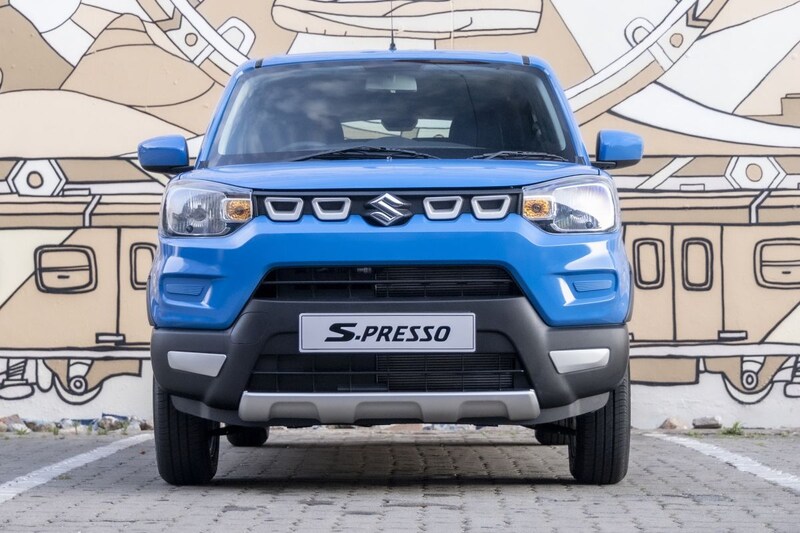
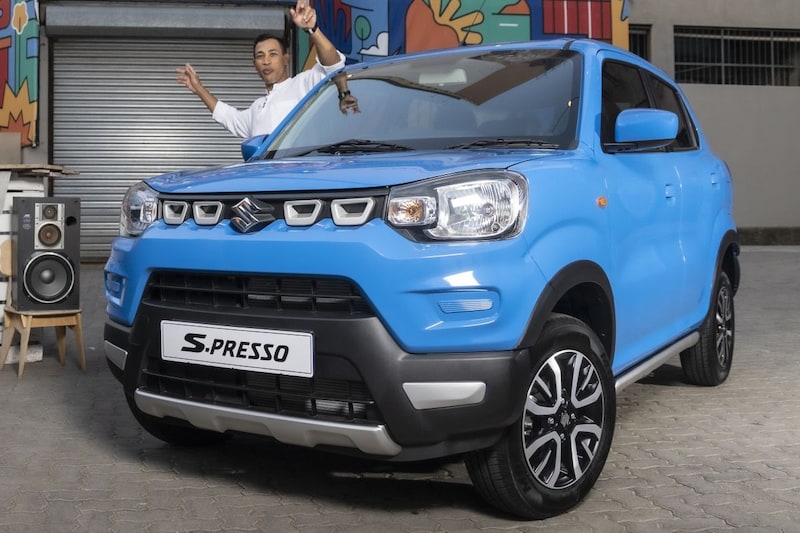
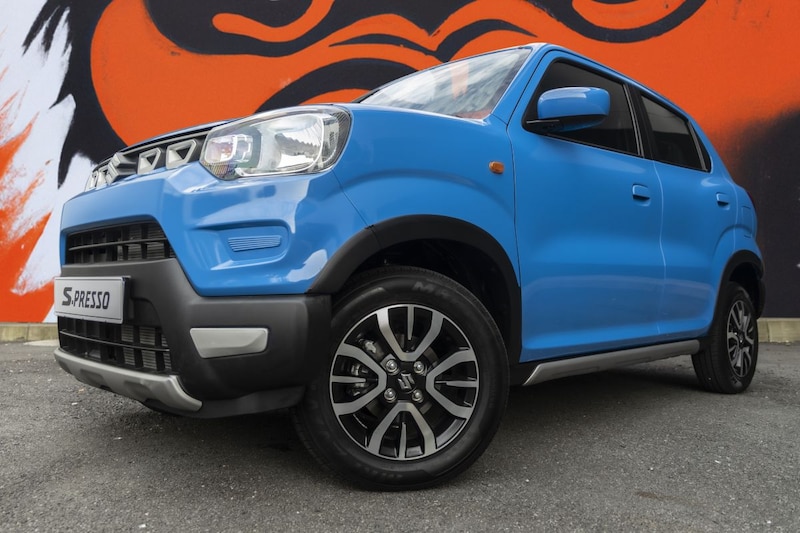
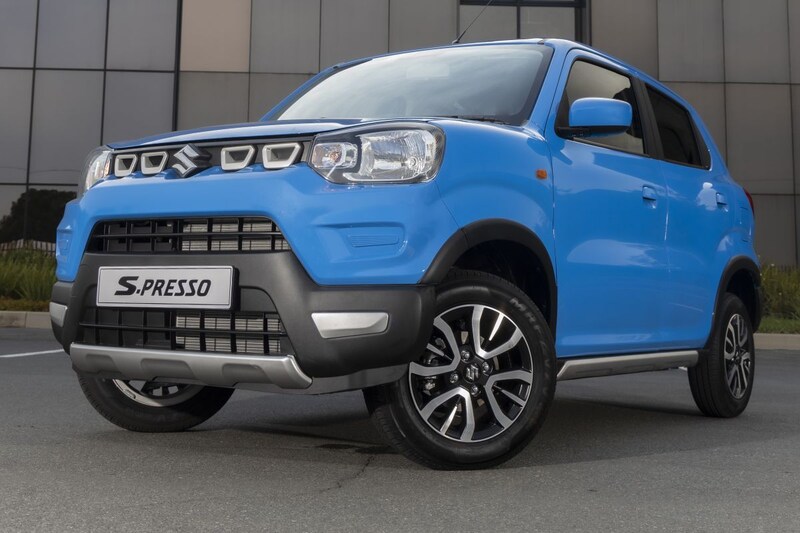


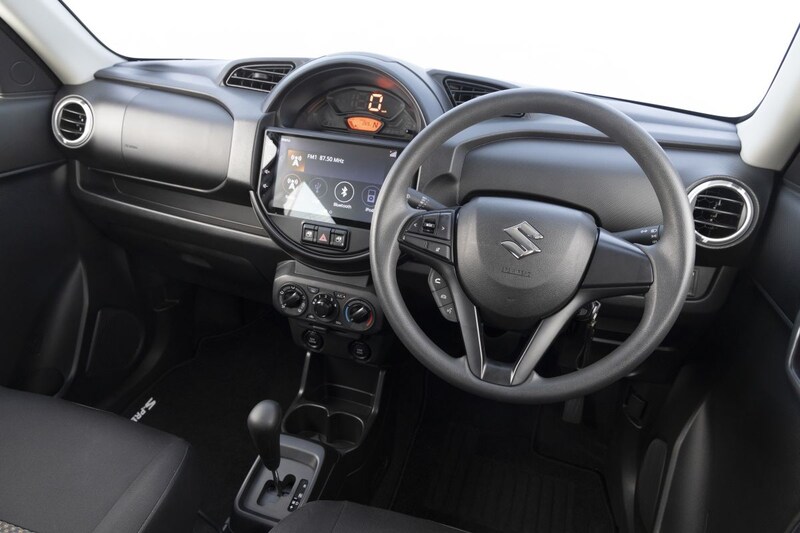
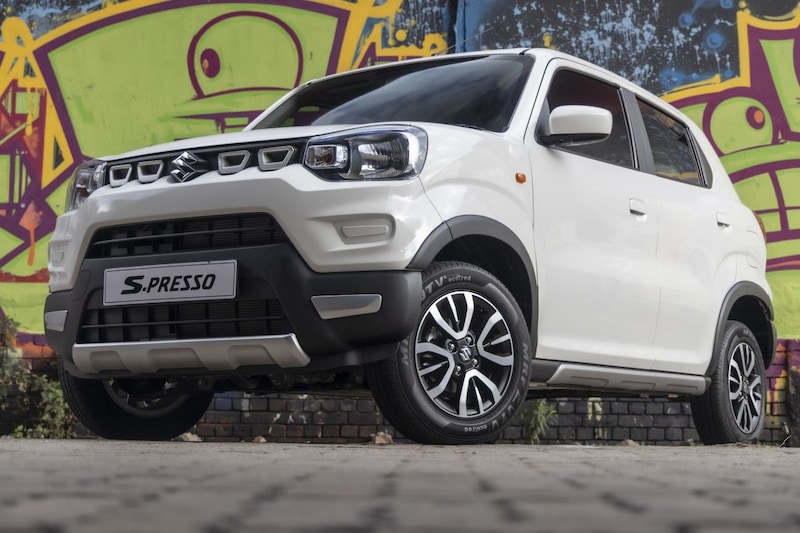
As jolly his name is, so sad were his NCAP test results. The Suzuki S-Presso failed to win a single NCAP star during the 2020 Global NCAP safety tests, earning the small Japanese the reputation of being perhaps the brand’s unsafe car. The Suzuki S-Presso has now been improved. Is a weak curve now a strong cup of coffee?
Global NCAP – the umbrella organization behind the Euro NCAP – has been committed for years to improving the passive and active safety features that cars offer. Particularly in growth markets such as South America and India, the safety features that models in basic trim provide are not always the best. With campaigns such as Safer Cars For India, Global NCAP is urging car manufacturers to improve standard equipment. A driver’s airbag is now mandatory in India, but that also did not help the Suzuki S-Presso in 2020 with good NCAP results. He did not return home with a single NCAP star. The Suzuki S-Presso has now been improved and seems ready to satisfy Global NCAP more.
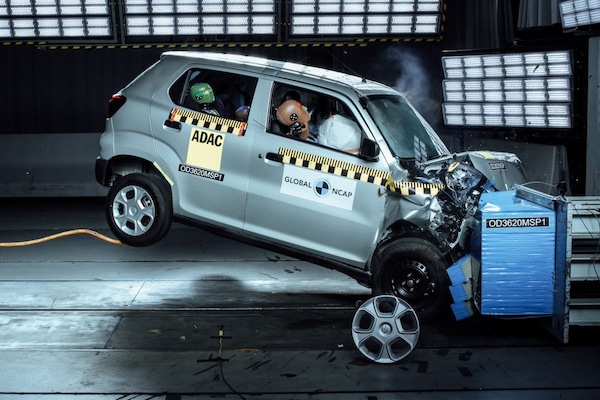
The Suzuki S-Presso didn’t rake in a single NCAP star in 2020.
What kind of car is it exactly? A quick review. The Suzuki S-Presso is a 3.57 meter short hatchback that is for sale in India and South Africa, among others. The little one is the second model after the Cappuccino with which some caffeine addiction is visible in the naming, but its jolly name could not hide the fact that the S-Presso was not exactly impressive in terms of safety. The S-Presso presented in 2019 is a direct competitor of the relatively basic Renault Kwid and is aimed at consumers who do not have too much to spend. With such models, car manufacturers skimp on safety features, among other things, so the S-Presso was only marketed with an airbag for the driver. The result? Zero NCAP stars in 2020. In both India and South Africa, the Suzuki S-Presso has now been improved.
The Suzuki S-Presso exchanges its three-cylinder K10B machine for a more efficient 80 hp and 89 Nm strong three-cylinder with variable valve timing and a start/stop system, but that is not the most relevant thing. For example, ESP is now standard, but more importantly, both a driver’s airbag and a pop-up bag for the co-driver are now standard equipment. Furthermore, seatbelt pretensioners are standard from this year. By adjusting the standard safety features in the S-Presso, Suzuki seems to be responding to Global NCAP’s call.
Incidentally, Global NCAP has not only been focusing on the regularly lousy safety features in cheap models for growth markets for a few years now. In 2014, a series of Indian test results angered Global NCAP. In one series of crash tests, the Tata Nano, the then current Hyundai i10, the Ford Figo (Ka+), the Maruti Suzuki Alto and the Volkswagen Polo all received zero or only a single star. The Tata Nexo was the first car from an Indian manufacturer ever to achieve five NCAP stars. The Suzuki S-Presso costs €4,900 in India, which makes it considerably cheaper than the Indian Maruti Suzuki Wagon R, which costs at least €6,300, and the new Celerio, which costs around 6 grand.
.
– Thanks for information from Autoweek.nl