
Smart homes are the future and must drastically reduce energy consumption. You don’t have to make mega investments for this: there are all kinds of ways to make your home ‘smart’ more sustainable.
Edited by Rob Coenraads
Often smarthome (smart home) includes smart gadgets, such as connected lamps, security cameras and smoke detectors that you can connect to your smartphone. However, that is the tip of the iceberg. A smart home has much more to offer you. There are many options, especially in the field of energy-saving equipment, and the range is growing every day. This applies in particular to ways to use solar energy smartly. For example, washing machines and dryers from Bosch and Siemens can now automatically start a program if a lot of solar energy is available. Read here how you can reduce your energy bill and improve the living environment in the summer.
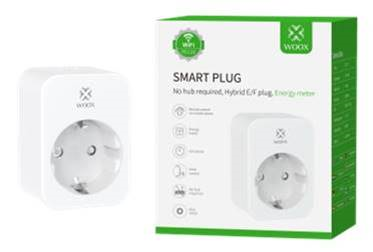 |
| Sneak use of electronic devices is fortunate relatively easy to prevent with a smart plug |
Limit standby consumption
European regulations stipulate how much energy a device may consume in standby or when the device is ‘off’. This concerns, for example, the standby consumption of televisions, PCs, but also central heating boilers and ovens. An average household has an annual consumption of 450 kWh, reports Milieu Centraal. On an annual basis, such standby consumption can cost you up to hundreds of euros, depending on your energy rate. There are various solutions to limit this sleep consumption. For example, you have power strips with a physical switch. If you convert this, the device will no longer consume any power at all. A disadvantage of this is that you can only turn on the switch when you are at home. A smart switch, on the other hand, ensures that you can always turn the switch. Smart switches work via WiFi or smart home protocols such as Zigbee. An additional advantage of such switches is that they can often keep track of standby consumption. This way you can also measure which devices are in standby consume the most energy, and therefore need their own smart switch. Before you buy a switch, it is important that you look up the maximum energy consumption of the switch. This is usually around 2,000 to 2,300 watts. Never connect devices that consume more energy than specified by the manufacturer. Overloading can lead to a fire hazard. You also cannot use such a smart plug on your central heating boiler, for example, because it must be continuously on standby in order to be switched on. With such devices, there remains sleep consumption.
Automatic climate control
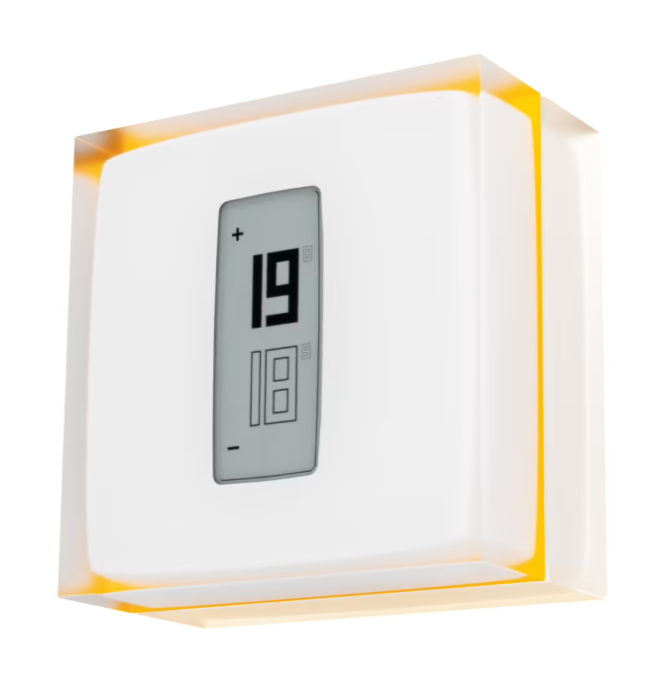 Smart thermostats have been commonplace in the smart home industry for years and yet you see them relatively rarely in living rooms. However, they offer a relatively simple way to optimize the indoor living environment on the one hand and to limit the energy consumption of the heating boiler on the other. Smart thermostats from brands such as Google, Netatmo and Tado, for example, switch off the heating when you leave home or are not at home at all for a day. They can also gradually turn off the heating when you go to sleep at night. A big advantage is that you can operate them from your chair or bed. This means you don’t even have to move to turn the heating down or up. Additionally, you can install smart radiator knobs to control the heating per room. You probably already have radiator knobs in every room, but operating them constantly is a big job. With the smart variant you can control this remotely. If you don’t come into your office for a day, you don’t need to have the heating on. If you turn on the button, you can also set more accurately how warm it should be.
 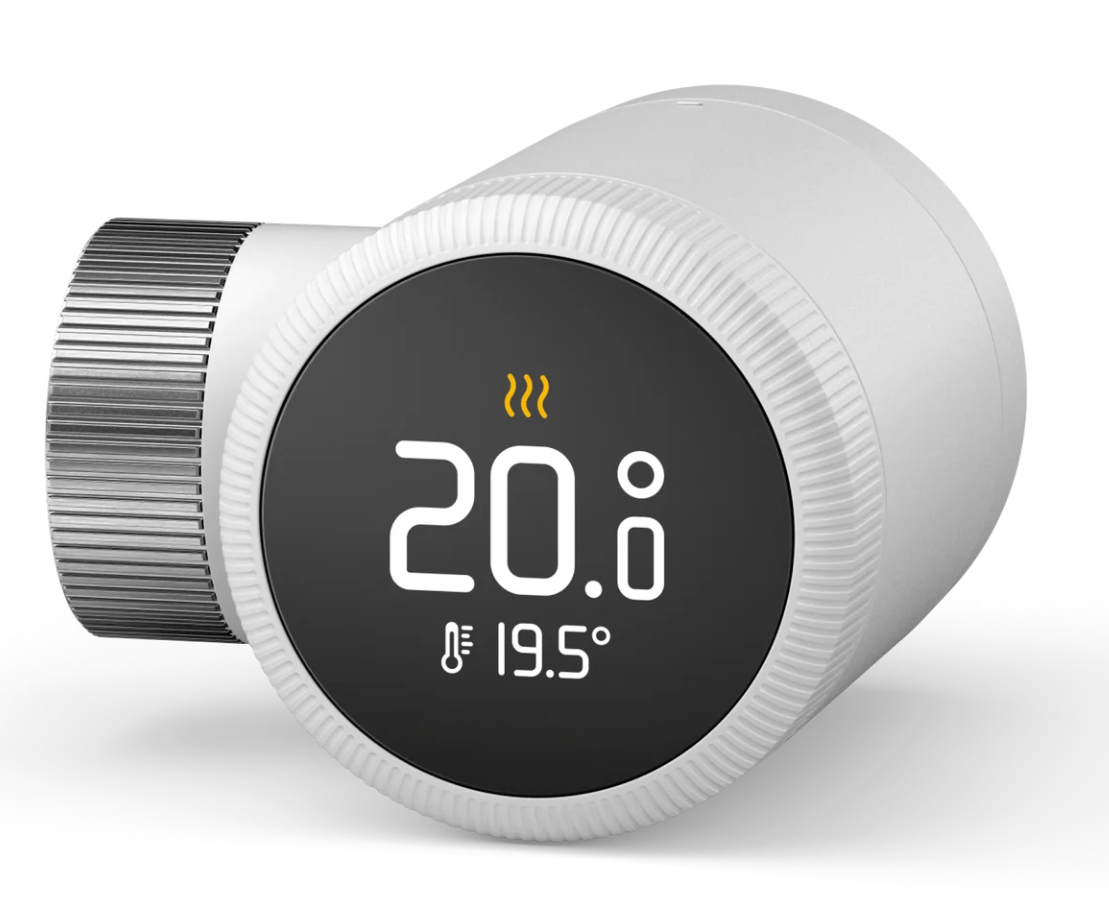 This way you prevent rooms in the house from being heated that are actually already at the right temperature. When the room has reached the desired temperature, the heating switches off automatically. Research shows that smart thermostats can save up to 20% of the energy required. You should also add the use of smart radiator valves. This figure is an average: depending on the number of people in your household and the size of the home, the savings may be higher or lower.
Smart(er) lighting
Smart lighting, just like the aforementioned products, responds to the ‘forgetfulness’ aspect. Everyone sometimes forgets to turn off the lamp on the landing or in the bathroom. Although LED lamps consume relatively little power, they still cost a lot of money in the long run. Smart lighting can help you prevent this by setting lighting schedules. This causes lights to automatically turn off after a certain time. This is especially useful for lamps in the living room or kitchen. In addition, you can usually adjust the intensity of the lighting. In short: you can save some money in the evening by setting the lights a little less brightly.
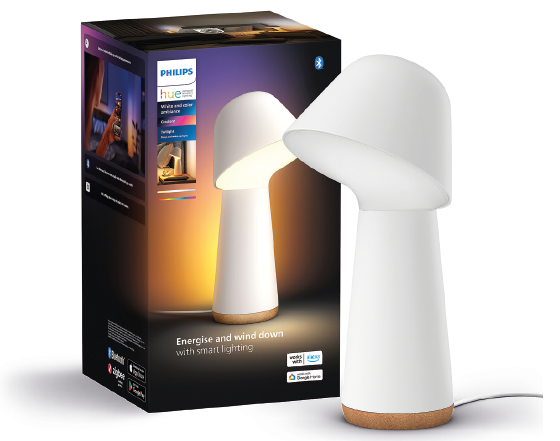
Motion sensors can also help reduce energy costs. You can use such sensors to keep lights on when you are somewhere, such as in your home office, the bathroom or in the toilet. Please note: if you do not move or hardly move, the lighting will go off. Another solution is a door sensor that you connect to the smart lights. Such a sensor keeps track of when you leave the house and passes this signal on to your smart lamps. You can also combine this with smart plugs or a (slightly less) smart thermostat.
Issue: solar energy
An issue that increasingly arises in the smart home industry is: how do we deal with solar energy? Currently, the majority of the energy generated is still supplied back to the electricity grid. The disadvantage of this is that often more green energy is generated than is needed at that moment. Energy companies are therefore forced to offer energy at a loss to customers with dynamic rates. So this costs them money. Moreover, energy is ‘lost’: electricity that is not used cannot be stored. Although test balloons are being thrown up to convert the energy into green hydrogen, progress is not yet going well.
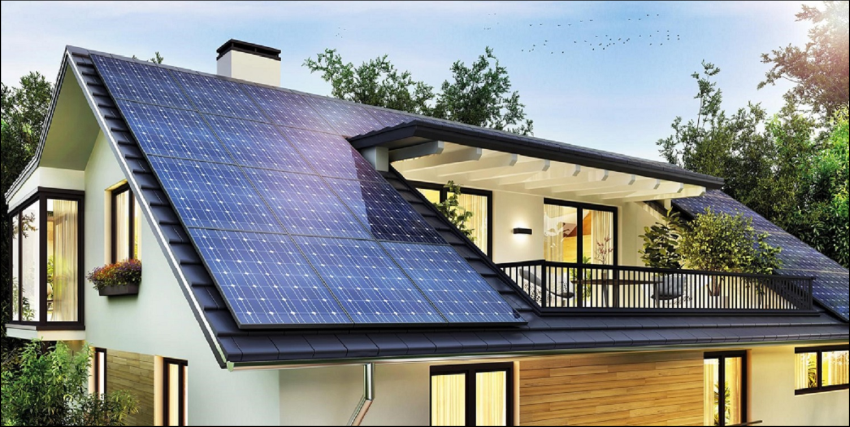
Energy storage in batteries is also not as large-scale a success as previously thought. There is also resistance from society to the storage of large amounts of energy in ‘district batteries’. Besides the space they take up and their appearance, people also express concerns about the possible dangers of this form of energy storage. Governments therefore encourage the use of green energy at the time it is generated. The latest smart equipment can already respond to this. Smart charging stations for electric cars make extensive use of this. For example, IKEA collaborates with the Spanish Wallbox. Chargers from that brand can use ‘intelligent planning’ and look, among other things, at the amount of solar energy produced. Some charging stations can also charge your EV when your solar panels produce energy. If production decreases, loading is stopped. This way, the energy you produce is actually used ‘indoors’. This is an attractive solution, especially for those who generate more solar energy than they use. However, it no longer stops at smart home chargers. It is now possible to also turn on other devices when the sun is shining. You can link solar energy generation to a smart plug via smart home platform HomeWizard. If solar energy is generated, the plug is switched on. In collaboration with Bosch, the impact will be significantly increased. HomeWizard can now switch on washing machines and dryers from Bosch and Siemens, among others, that work with Home Connect when solar energy is generated. If you do not generate solar energy yourself, you can still benefit from the sun: the HomeWizard platform can also check when the energy price of dynamic contracts is the lowest. This way you can do your laundry cheaply. Although this does not save energy in your own household, it does prevent energy from being lost. In addition, it is good for your wallet.