
Biocides are intended to keep pests away and are used in various areas of our everyday life. We explain how questionable substances such as silver chloride or zinc pyrithione are and which products contain them.
Biocides are substances intended to combat pests (such as rats, mice, insects) or algae, fungi and bacteria. These include, for example, disinfectants, protective agents for certain materials or poisons against specific animals. Their main purpose is to protect human health. This distinguishes them from pesticides, which are primarily intended to protect plants from pests. Nevertheless, biocides are also sometimes part of plant protection products.
Goods treated with the substances differ in whether they have a primary biocidal function or not. Goods with a primary biocidal function are primarily intended to protect against harmful organisms, as is the case with an antibacterial cloth, for example. Goods without a primary biocide function only contain biocides as auxiliary or additive substances. However, their main purpose is not biocidal. It is often not obvious to consumers at first glance that a product contains biocides.
Are biocides dangerous?
Biocides are intended to kill harmful organisms and animals. They also contain substances that, for example, block the nervous system or limit the pest’s ability to reproduce. These substances can be dangerous for people, the environment and other animals, especially if used improperly. Both the Federal Environment Agency (UBA) and the Federal Ministry for the Environment and Nature Conservation therefore recommend only using biocides if there are no other alternatives. Consumers should avoid textiles and other everyday products containing biocides if possible.
According to the UBA, there is no general declaration requirement for goods without a primary biocide function. However, all active ingredients used and their function for the product must be noted on the packaging or label. You can also tell from advertising promises such as “antibacterial”, “antifungicidal”, “hygiene function” or “sanitized” that biocides have probably been used. If companies draw attention to the biocidal effects of their products, they must also be labeled as biocidal products.
In addition, some seals can help you avoid biocides as much as possible. These include, among others, the Blue Angel, FSC Pure, the Naturland seal or the European Ecolabel for textile products where the use of biocides is strictly regulated.
In the Biocides Regulation, “treated goods” are any substance, mixture or article that has been treated with one or more biocidal products or to which one or more biocidal products have been intentionally added. These goods must be labeled if this serves to protect people, animals and the environment. The statement must make it clear:
- that the treated goods contain biocidal products
- the biocidal property attributed to the product
- the name of all active ingredients contained in the biocidal products
- the names of all nanomaterials contained in the biocidal products, followed by “Nano” in brackets.
- Instructions for use, including precautionary measures to be taken in relation to the biocidal products with which the treated article has been treated or which are contained in this article
Biocides in clothing
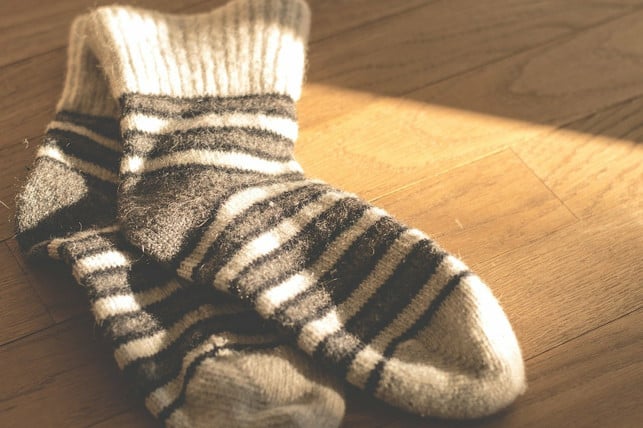
Biocides are sometimes found in sports clothing and socks in particular. The clothing items are then declared, for example, as “antibacterial” or “clothing with an anti-odor function” and are often more expensive than biocide-free products. The biocides silver chloride and zinc pyrithione are often found, especially in menstrual underpants, the so-called period panties. They are intended to prevent odor formation. However, the use of the substances is often unnecessary. It makes more sense to simply wash the clothes with an ecological detergent if they smell unpleasant.
The biocide regulation requires a recognizable benefit, but biocides are still permitted in clothing, although the Federal Environment Agency sees them as largely unnecessary. A significant proportion of the biocides used are washed out again when the products end up in the washing machine. The biocides then enter natural bodies of water via sewage treatment plants and can cause damage to animals, plants and entire ecosystems. They can also trigger resistance in humans (for example to antibacterial substances), impair the health of the skin flora or trigger allergic reactions.
By simply washing your clothes when they no longer smell fresh, you not only save money, but also protect the environment and avoid health risks.
Biocides in varnishes and wall paints

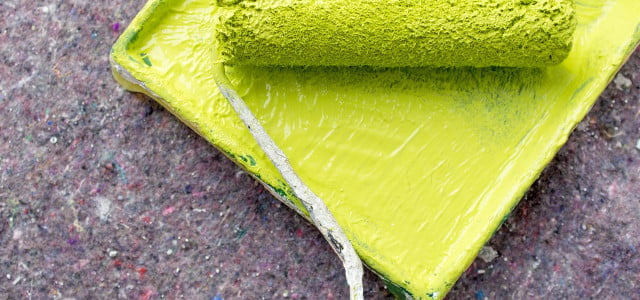
Paints and varnishes can also contain biocides. For example, they are intended to prevent the formation of fungi or algae on the facade and extend the durability of the paint. If the paints are on the outside of a house, the biocides are gradually washed out by precipitation. They then either seep into the ground or enter bodies of water via the sewage system.
To avoid this and not expose yourself to the health risks of biocides inside the house, you can pay attention to the Blue Angel label when buying paint. For some colors it is expressly stated on the packaging that the manufacturers have not used biocides.
Antibacterial pet supplies

Dog leashes, feeding bowls or cat litter boxes that have been treated with biocides are intended to improve the hygiene of households with animals. These products are not only expensive and potentially dangerous for humans and animals, but also unnecessary. It makes more sense to clean regularly with ecological cleaning products and to rinse bowls every day and then keep them dry.
Biocides in the bathroom

Hygiene is particularly important in the bathroom. After all, it is considered highly susceptible to bacteria and fungi due to increased humidity and the presence of various drains.
The advertising slogans for antibacterial bathroom accessories play on these myths and consumers’ fear of mold and germs. You can buy toilet seats, shower curtains, shower hoses, razors and bathrobes with biocides, among other things. The biocide silver chloride is often used in dressing materials because of its antiseptic effect.
But the same applies here: If you clean your bathroom regularly and ventilate it after showering, biocides are not necessary and pose more risks than benefits. Therefore, when buying bathroom accessories, pay attention to the labeling of the active ingredients they contain or, if you have any doubts, contact specialists or the manufacturer itself.
Edited by Adriana Jodlowska
Read more on Techzle\.com:
- The worst pollutants in clothing & how to avoid them
- Children’s clothing without poison: We recommend these 5 brands!
- Wall colors white, gray or colorful: ecological providers without harmful substances
** marked with ** or orange underlined Links to sources of supply are partly partner links: If you buy here, you are actively supporting Techzle\.com, because we then receive a small part of the sales proceeds. More info.