
Gap between WLTP and practice has grown
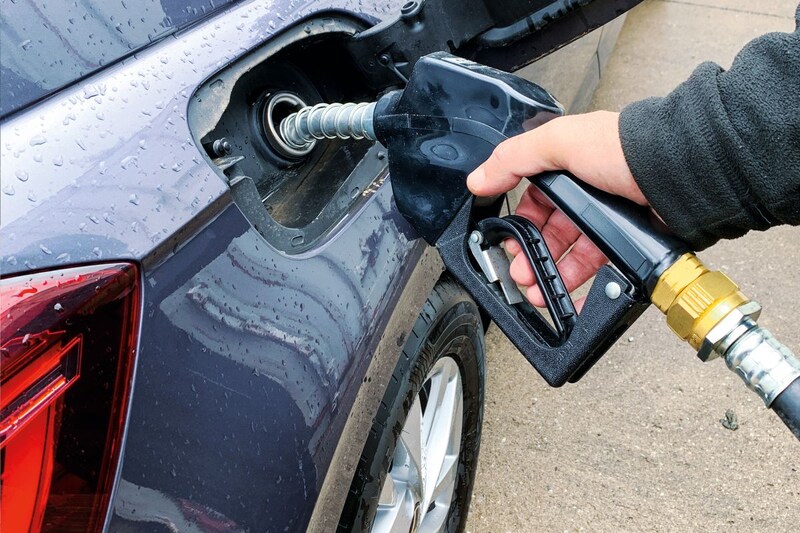
The practical consumption of cars increasingly differs from the official manufacturer’s specifications. The Council on Clean Transportation draws this conclusion.
The gap between official figures and reality is therefore increasing. That came to the fore when the Council on Clean Transportation (ICCT) compared the official emission figures of the manufacturers with the practical consumption of more than 160,000 passenger cars. The institute used the data provided by German consumers via the online platform Sprit monitor reported. The gap between the stated values and practice turned out to be more than 14 percent. The same comparison was made in 2018 and practical consumption was still 8 percent higher than expected based on the specified emission figures.
The ICCT calls on the EU to introduce a correction mechanism so that the progress made by car manufacturers in meeting emissions targets can be accurately assessed. In this way, consumers can also better estimate how much fuel a new car is likely to consume. It previously turned out that the NEDC method was not accurate enough and the WLTP test method was introduced. Although the WLTP results are closer to real-world figures, the ICCT has now found that the gap has grown by 80 percent since the WLTP was introduced five years ago.
Striking differences between brands
The difference between the test figures and practical figures is not around 14 percent for every brand. The differences between the brands are considerable. Mercedes is doing the least poorly, with a difference between theory and practice of 11 percent. At Volkswagen, Audi and BMW there is a difference of 12 percent with reality. At Hyundai and Opel this rises to 20 and 21 percent respectively.
– Thanks for information from Autoweek.nl