
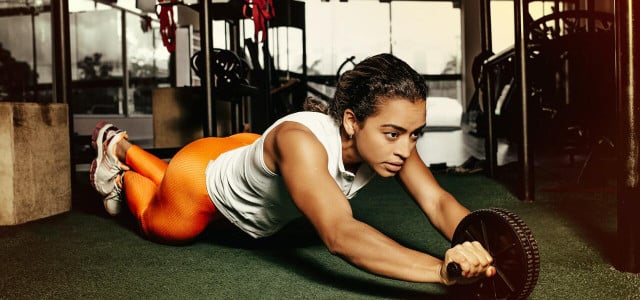
Cycle-based training takes into account the hormonal fluctuations during the cycle to achieve optimal training effects. You can find out what such a training might look like here.
Menstruating people may experience repeated changes in their physical performance over the course of their cycle. If you’ve ever noticed this, you’re not alone. Because there are fluctuations in the hormones estrogen and progesterone over the course of the month. These have an impact on the general well-being of many people – and probably also on their sporting performance. Because of this, some days of the month you may run faster or lift more weights than others.
Cycle-based training is therefore a method that more and more professional and recreational athletes are using to adapt their sports plan to their own hormonal cycle fluctuations.
Cycle-Based Training: The Basics
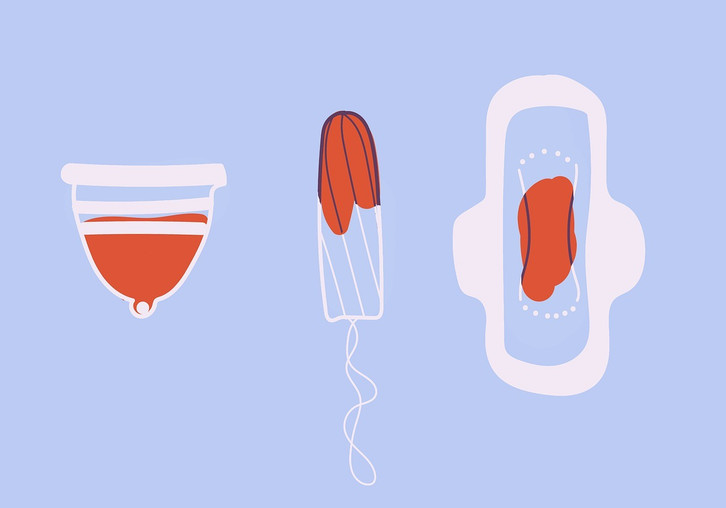
Cycle-based training depends on the phases of the menstrual cycle. The cycle includes the changes in the uterine lining caused by fluctuating hormone levels, as well as the maturation of an egg in the ovary and other cycle-dependent changes.
For many menstruators, these changes are not only noticeable with periodic menstruation. For example, you may also notice mood swings or a change in appetite.
According to gynecologists online, the cycle is made up of the following phases:
-
Desquamation phase / menstrual phase (1st to 4th day of the cycle): This phase begins on the first day of your period. If no fertilized egg has implanted in your uterine lining, the body now sheds its top layer using contractions of the uterine muscles. Bleeding occurs. This process is triggered by a lack of progesterone. Estrogen levels are also low. During menstruation, many people experience pain, abdominal cramps, diarrhea, difficulty sleeping, and fatigue.
-
Proliferation phase (5th to 14th day of the cycle): In the time, also known colloquially as the “building phase”, the follicle-stimulating hormone (FSH) causes the maturation of a follicle and the egg it contains in the ovary. Meanwhile, the body also produces a lot of estrogen. This causes the uterine lining to build up. According to ARD Alpha, this also means more energy and drive. Between the 12th and 14th day of the cycle, estrogen levels fall again, while FSH and luteinizing hormone (LH) rise. This triggers ovulation. According to ARD Alpha, in this phase you are active, in a good mood, appear particularly attractive and are assertive. If the egg is not fertilized within 24 hours, it dies.
-
Secretion phase / luteal or corpus luteum phase (15th to 28th day of the cycle): The corpus luteum now forms from the follicle, the empty follicle of the former egg. It produces the corpus luteum hormone, which in turn stimulates the uterus. She prepares for the fertilized egg to implant. According to ARD Alpha, because the estrogen level drops during this time, energy drops: Menstruating people often feel exhausted, weak and their body temperature can rise. Many then suffer from premenstrual syndrome. If implantation does not occur, the concentration of the corpus luteum hormone drops again and the menstrual phase begins.
By the way: According to gynecologists online, it is only in the rarest of cases that there is a “perfect” cycle of 28 days and ovulation on the 14th day. The majority of menstruating people have cycles that vary in length between 25 and 35 days.
Cycle-based training in professional sports
The hormonal changes over the course of the month also affect the energy, performance and well-being of menstruating people. Cycle-based training takes advantage of the knowledge of these changes to achieve better training effects on the one hand and to alleviate the symptoms associated with the cycle on the other.
Professional triathlete Laura Philipp reports on how she implements cycle-based training. Over the years she has discovered when she can perform best in her cycle. Philipp explains to Deutschlandfunk Kultur: She is most productive shortly after her period. This is the time of the “building phase” in which estrogen levels rise again. The body has a lot of energy available, which the professional athlete uses to gain strength and muscle and improve her coordination.
In the second half of the cycle, however, Philipp is careful to avoid exercises that are associated with a greater risk of injury or require a high level of coordination. According to Philipp, the reason is that more progesterone is produced in the luteal phase. This causes “the ligaments to loosen up a bit and you tend to be a little more susceptible to injury, and your coordination is also somewhat reduced.”
What does science say about cycle-based training?
Scientifically based knowledge of the female cycle in connection with training effects, risk of injury and performance is still limited. One reason for this is that research on menstruating people is more complicated. After all, the cycle is individual from person to person and there are many different factors that can affect it, such as the type of contraceptive.
Nevertheless, Petra Platen, sports medicine specialist at the Ruhr University Bochum, can make some general statements about the connection between the cycle and performance based on evidence:
- Many women have less desire to exercise when bleeding begins. Studies confirm that performance in terms of strength and endurance is lower for up to three days after the start of your period than in other phases. Nevertheless, subjective feelings during this time do not automatically mean an objective decline in performance.
-
When ovulation approaches, many women feel fittest because estrogen is increased. A study suggests that strength training in the first half of the cycle and around ovulation may be more effective than in the second half of the cycle.
- In the luteal phase, injuries are more likely to occur because of the increase in progesterone because the joints are less stable.
Studies on cycle-based training
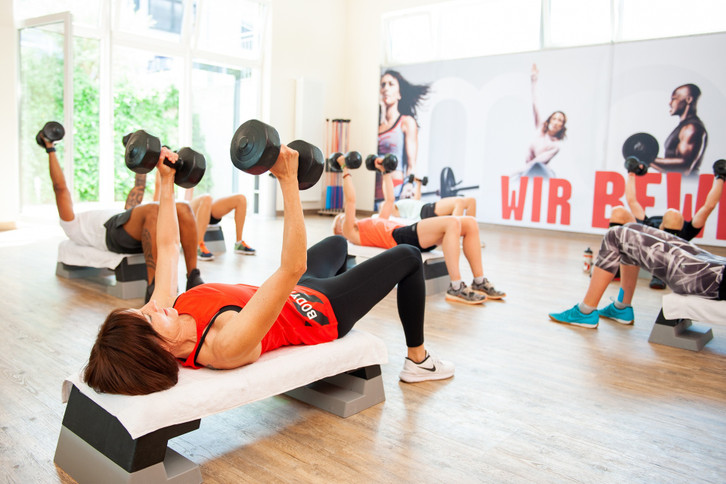
According to a 2014 study, if strength training is intensified in the follicular phase, it can have a positive effect on strength and muscle size. However, as already mentioned, such results are always individual and can vary from person to person. A more recent study from 2024 came to the conclusion that there is no uniform pattern. A review in 2026 pointed out that the study base is still quite thin – despite the hype that has now arisen around cycle-based training.
As Petra Platen explains in an interview with the Süddeutsche Zeitung, for many women it is often not worth switching to cycle-based training.
Cycle-based training: Here’s how to try it out
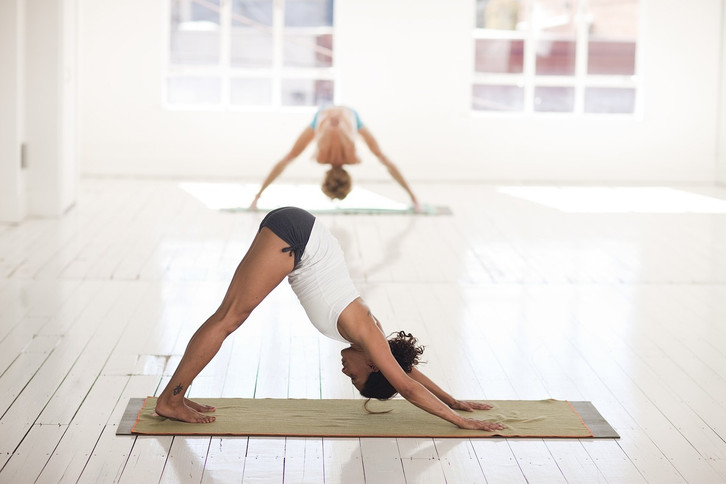
Although more research is needed, there’s nothing wrong with trying cycle-based training yourself. If you want to align your sporting activities with your cycle, this requires a more intensive examination of your own body. At first it may be difficult to find out which phase of your cycle you are in – especially since there can always be fluctuations in the length and intensity of the individual phases.
You can familiarize yourself with your cycle by using a cycle app or a menstrual calendar to track your body’s hormonal changes. For example, the type of cervical mucus you have can be an indication of the current phase of your cycle. Over time it becomes easier to interpret the symptoms and then adapt your training to the respective phase.
It could then look like this, for example:
-
Menstruation: During this phase you should prefer light training. For example, try gentle yoga, cycling, easy cardio training or walking. Physical activity can even help some menstruators with period pain.
-
Follicular phase until ovulation: Now the estrogen level increases, which benefits you during intensive strength training and when building muscle. In this phase you can really work out your body.
-
Luteal phase: Energy decreases because progesterone now takes over. This can be reflected in poorer performance in endurance sports. The DAK recommends reducing your exercise program to a level that you feel comfortable with.
Edited by Lea Hermann
Read more on Techzle\.com:
- Period underwear: How recommendable are period panties?
- Cleaning the menstrual cup: This is what you should pay attention to
- Find sports motivation: This can help you
Independent journalism needs people who stand behind it – including in Google searches. Now send a signal for more sustainability and → Save Utopia as a preferred source.
** marked with ** or orange underlined Links to sources of supply are partly partner links: If you buy here, you are actively supporting Techzle\.com, because we then receive a small part of the sales proceeds. More info.