
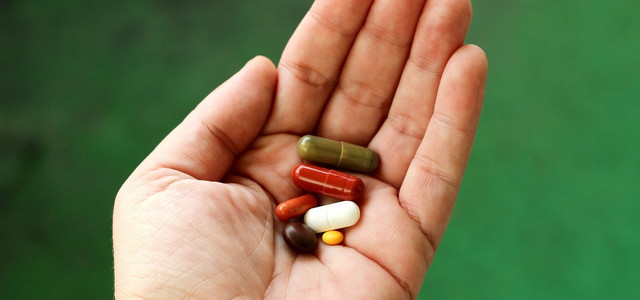
More performance, fewer injuries, faster regeneration: the advertising for “athlete vitamins” sounds tempting. But what’s really going on? Are some of the products even harmful?
Dietary supplements that are specifically marketed to people who are active in sports promise a lot. The logic behind so-called “athlete’s vitamins”: Those who exercise a lot have a more active metabolism, need more vitamins and are therefore at risk of becoming deficient. In addition, there could be too many free radicals in the body, against which antioxidant vitamins are intended to protect.
By the way, “athletes’ food” no longer legally exists. The EU has deleted the product category in its regulation on food for special consumer groups, write the consumer advice centers. The reason: Even competitive athletes can get all the nutrients they need through a normal diet. What is sold on the shelf as a “sports vitamin” falls into the category of ordinary dietary supplements.
Do you really need more vitamins if you do a lot of exercise?
Partially yes, but that alone is not a reason for nutritional supplements. The Harvard University School of Medicine (Harvard Health) makes it clear that athletes do not need additional vitamins as long as they consume enough calories, protein and fresh fruits and vegetables.
The need for vitamin B1, B2 and niacin (B3) can increase through physical activity because these vitamins are involved in energy metabolism, explains the North Rhine-Westphalia Consumer Center. Those who exercise more usually also eat more and therefore automatically absorb more of it. The NRW consumer advice center therefore comes to the conclusion: With a balanced diet, a deficiency is unlikely for most athletes. If you have to maintain a certain weight class while exercising, nutritional advice can be helpful.
Water-soluble vitamins such as B6 are hardly lost through sweat, the experts explain. Anyone who does strength training and consumes a lot of protein should still pay attention to a diet rich in vitamins in order to cover the increased need for A, C, E and B6. This can also be achieved through diet.
Improved performance through vitamin supplements?
Can “athlete vitamins” increase athletic performance? The North Rhine-Westphalia Consumer Center will only find out if there is an existing defect.
Without deficiency, studies show no effect, not even for the commonly advertised vitamins C and E. A meta-analysis from 2024 found no reliable evidence that vitamin E improves recovery after exercise in healthy adults. The scientists therefore clearly spoke out against appropriate supplementation.
Even more explosive: Studies (like this one from 2016) suggest that taking vitamins C and E combined can even slow down certain training adaptations.
Can vitamins prevent injuries?
Vitamin D plays a recognized role in bone metabolism and skeletal muscle. However, it has not been proven whether preparations improve athletic performance or prevent injuries. A Danish meta-analysis (from 2021) found no positive effect of supplemental vitamin D on muscle strength or muscle health.
However, according to several studies, anyone who has a deficiency can benefit from supplementation, and this also applies to non-athletes. Since, according to the North Rhine-Westphalia consumer advice center, only around ten percent of the requirement is met through diet, spending time outdoors is the easiest way to achieve good vitamin D levels. If you train outside during the day, you’re killing two birds with one stone.
What applies to vegan athletes?
There is actually a special case here: Vitamin B12, which is important for energy metabolism and the nervous system, can be lacking in a purely plant-based diet. This applies to vegans in general – regardless of whether they do a lot of exercise.
As a rule, you shouldn’t just use any sports supplement to balance your needs. Better: Have your needs clarified by a doctor and supplement specifically.
Can vitamin supplements cause harm?
Yes, if used incorrectly, definitely. Caution is particularly advised with antioxidant vitamins (such as vitamin C and E). They bind free radicals, which are considered pollutants. But free radicals are important signaling molecules that the body needs.
In 2014, researchers at the Oslo Sports University observed poorer adaptation to training in strength athletes who took vitamin C and E compared to a group without supplementation.
With individual vitamins, overdose is also a real risk:
-
Vitamin D: High-dose preparations can, in extreme cases, lead to symptoms of poisoning. The Federal Institute for Risk Assessment (BfR) recommends a maximum of 20 micrograms per day.
-
Vitamin E: An oversupply through supplements can, among other things, increase the tendency to bleed. The BfR recommends a maximum of 30 milligrams per day.
-
Vitamin B6: The BfR considers a maximum of 0.9 milligrams per day to be safe. Anyone who takes too much in the long term risks irreversible nerve damage.
There are currently no binding EU-wide maximum quantities, but the BfR has drawn up recommendations. You can find them here.
Note for competitive athletes: According to the North Rhine-Westphalia Consumer Center, certain vitamin infusions that are offered in some practices for regeneration can be considered doping. The National Anti Doping Agency of Germany (NADA) also explicitly warns against unintentional doping through dietary supplements.
** marked with ** or orange underlined Links to sources of supply are partly partner links: If you buy here, you are actively supporting Techzle\.com, because we then receive a small part of the sales proceeds. More info.