
Practice is more difficult than theory
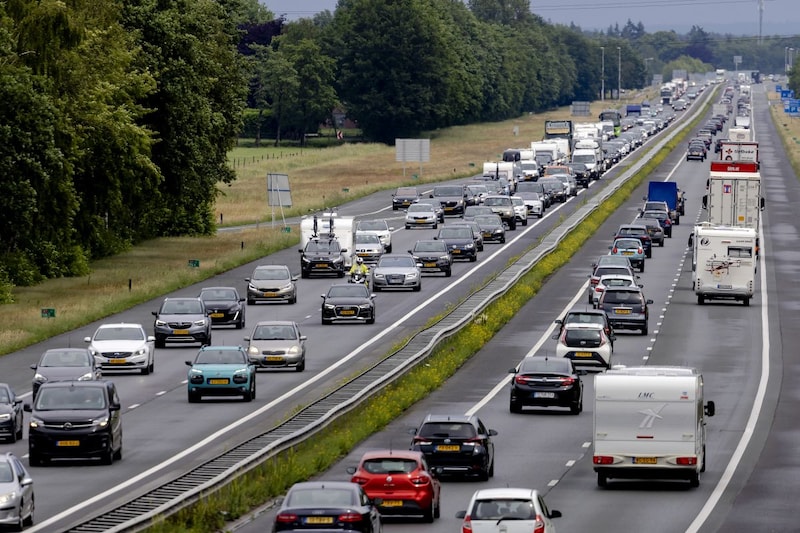
Cars emit considerably more CO2 in practice than on paper, the European Court of Auditors concludes. That is why they do not actually meet the legal requirements set by the EU.
Since 2021, new passenger cars in the EU may emit an average of a maximum of 115 grams of CO2 per kilometer. On paper, car manufacturers have achieved that goal, but in practice cars still emit about 20 percent more. This is the conclusion of the European Court of Auditors in a new report. This is because drivers in the real world exhibit different driving behavior than is simulated in the lab. The EU auditors base their calculations on information that the European Commission has been collecting since 2021. From that year on, all new cars will have their total fuel consumption recorded, making it possible to check how efficient they really are during maintenance.
According to the European Court of Auditors, the current test cycle is much more realistic than before, but cars still emit more in real life than in a test situation. This applies more to petrol cars (23.7 percent) than to diesels (18.1 percent). Plug-in hybrid cars take the cake: in practice they emit no less than 3.5 times as much as manufacturers promise. This is because much less electric vehicles are driven than was assumed when drawing up the efficiency figures. This especially applies to cars used for business: if the boss pays for the fuel, there is hardly any reason for employees to charge the battery.
By the end of 2026, the European Commission must determine how the ‘real’ emissions figures can be used to improve laboratory testing and improve CO2 standards in the future.
– Thanks for information from Autoweek.nl