
Cut back
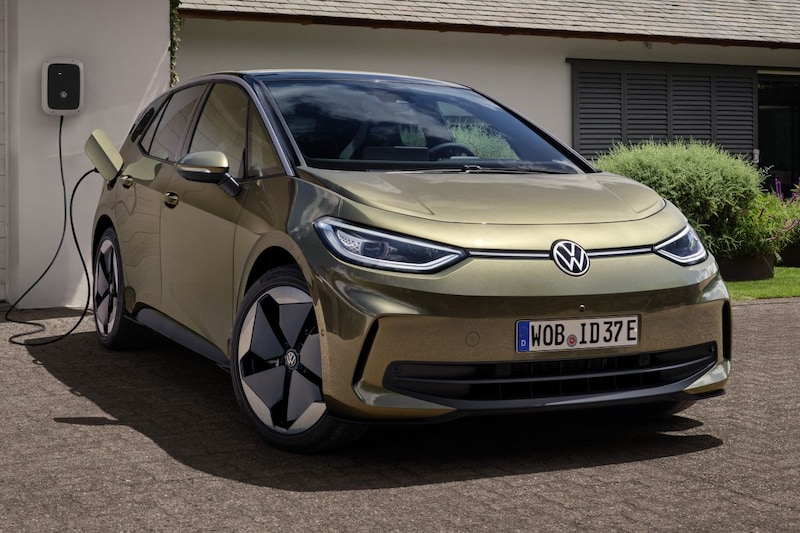
In Germany, the subsidy that private individuals can apply for on the purchase of a new or (young) used electric car is coming to a strict end.
As of today, you can no longer apply for a subsidy for the purchase of a new electric car in Germany. Initially, you could receive a financial compensation from our eastern neighbors until next year for the purchase of a new or recently used EV. So this is coming to an early end.
Why is there an end to the subsidization of EVs? According to ADAC and the German newspaper Handelsblatt, this is partly due to a budget gap of €30 billion that the government is trying to close. Handelsblatt would base this on government documents from the Climate and Transition Fund (KTF) that it has seen. Anyone who bought an electric car in Germany could look forward to financial benefits of up to €6,750. €4,500 of that came from the state treasury. That part disappears now. The remaining part of the so-called Environmental Bonus comes from the pocket of car manufacturers, which is directly offset against the purchase price.
Market researcher Dataforce tells Handelsblatt that it expects sales of EVs in Germany to decline sharply. Germany wants no fewer than 15 million electric cars on the road by 2030. That goal now appears to be in jeopardy. Interest group VDA (Verband der Automobilindustrie), among others, speaks of a ‘wrong decision’.
In Germany, EV subsidies have recently been gradually simplified and reduced. For several months now, only private buyers have been eligible for compensation. According to the German Center of Automotive Management (CAM), an electric car in Germany costs an average of €52,693, exactly €4,000 more than a year earlier.
– Thanks for information from Autoweek.nl