

Hawthorn is used in herbal medicine as a remedy for cardiovascular problems. We will explain to you how the medicinal herb works and how to use it correctly.
Hawthorn grows as a medium-sized shrub or small tree and has been used as a medicinal plant for centuries. The herb is still important today: in 2019 it was voted medicinal plant of the year, as the German Medical Journal reported. The flowers, leaves and fruits of the plant have medicinal benefits.
The collection time for hawthorn flowers and leaves is between May and June. You can collect the fruits from September to October.
Why is hawthorn so healthy?
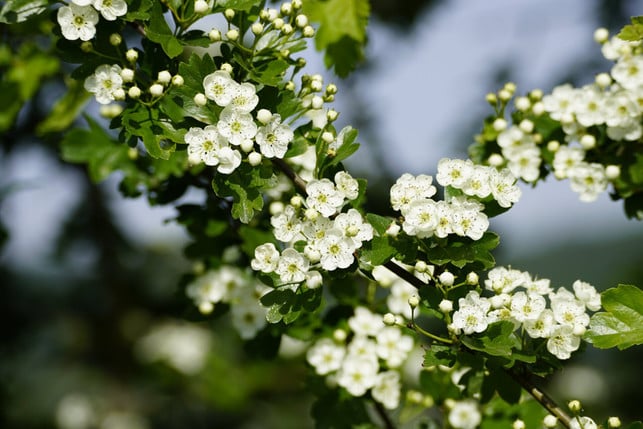
According to study results, hawthorn is well tolerated. According to a Chinese study, the medicinal plant has, among other things:
- anti-inflammatory
- antioxidant
- digestive
- protective against cancer and cardiovascular diseases
- and blood pressure lowering
According to the Chinese study, these ingredients are contained in hawthorn:
- Amino acids
- Minerals
- Vitamin C
- Polyphenols
- Flavonoids
- Pentacyclic triterpenoids
According to an expert at the Freiburg University Hospital, hawthorn berries contain fewer active ingredients than flowers and leaves. Dried hawthorn leaves are predominantly used in the medical field.
Hawthorn: Use for the heart
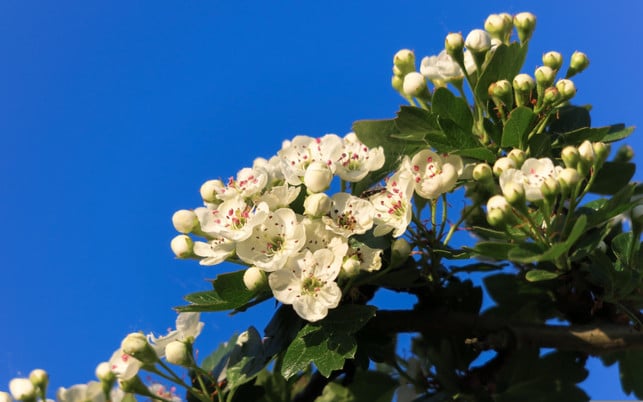
Hawthorn is most often used for heart problems. According to the German Medical Journal, hawthorn is the only known, mild herbal remedy for heart failure. The positive effects of hawthorn extract are also confirmed by the expert from the University of Freiburg. An extract from hawthorn flowers and leaves is mainly used for cardiovascular diseases.
This is how hawthorn affects your heart:
- According to the expert from the Freiburg University Hospital, hawthorn increases blood flow in the heart muscle and the coronary arteries.
- It protects the heart muscle from lack of oxygen.
- Patients who take hawthorn extract suffer significantly less from cardiac arrhythmias.
- In general, the extract is considered a good choice for heart failure.
-
Atherosclerosis can be reduced by hawthorn as it has an anti-inflammatory effect.
If you suffer from heart problems, it is better to seek medical advice before attempting to treat your symptoms with hawthorn.
Collecting hawthorn This is how it works
Hawthorn is not only used for heart problems. Even after a cold, the medicinal plant can get you back on your feet. To benefit from the plant’s health-promoting aspects, you can collect hawthorn leaves and flowers to make tea. The best time for this is from May to June.
You should keep the following in mind when collecting:
- Carefully cut off the leaves and flowers of the hawthorn with scissors. Be careful not to confuse the plant with other plants.
- You can use both leaves and flowers for tea. After collecting, you should first dry them. You can also make an infusion from the fresh leaves.
- Once the leaves and flowers have dried, it is best to store them in a tightly sealing container. This means the aroma and active ingredients last longer.
- After a while, the active ingredients become weaker, even if you store the hawthorn well. Therefore, collect it fresh every year if possible.
If you are unsure whether it is actually hawthorn, you can use an app to identify plants.
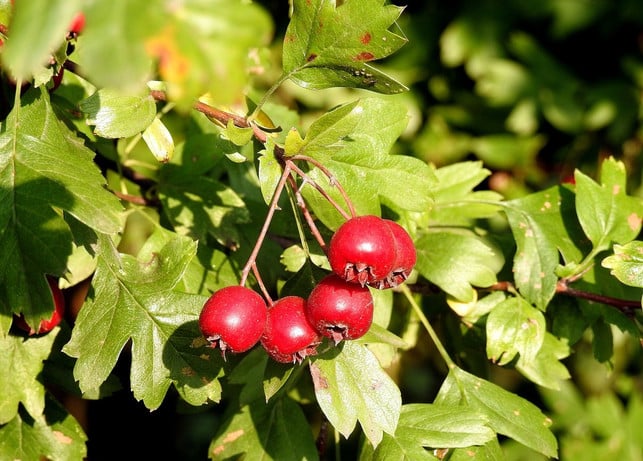
The hawthorn berries are also edible. They ripen in September and October. However, they taste slightly floury and sour. But they are good for preparing jam, jelly or compote. The berries are also popular with birds.
At Mundraub you can find out where hawthorn grows near you. It is best to collect flowers, leaves and berries from plants that do not grow directly on a road. Plants that are on busy paths are often contaminated with pollutants. Of course, you can also plant a hawthorn hedge in your own garden.
Process hawthorn into tea
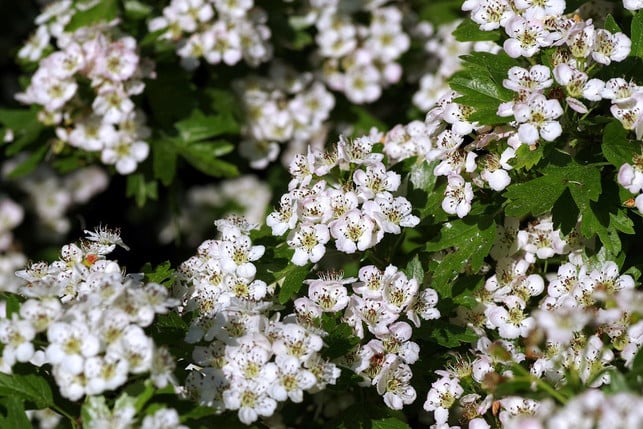
Once you have collected and/or dried hawthorn, you can start preparing the tea. For a cup of hawthorn tea you need:
- 2 tsp dried hawthorn flowers and/or leaves (or twice the amount of fresh hawthorn)
- 250 ml hot water
- Depending on your taste, honey or sweet juice (for example sea buckthorn juice) to sweeten
This is how you prepare the tea:
- Pour hot water over the dried hawthorn and let the tea steep for ten to 15 minutes.
- Then pour the tea through a sieve to remove the leaves and flower parts.
- Now you can sweeten the hawthorn tea with honey or juice.
- You can drink hawthorn tea three to four times a day
Edited by Lea Hermann
Read more on Techzle\.com:
- Ribwort plantain: Uses, effects and cultivation of the medicinal plant
- Sea buckthorn juice: recipe for the vitamin bomb
- Harvesting sloes: This is what you should pay attention to
** marked with ** or orange underlined Links to sources of supply are partly partner links: If you buy here, you are actively supporting Techzle\.com, because we then receive a small part of the sales proceeds. More info.