
100 km/h for almost four years
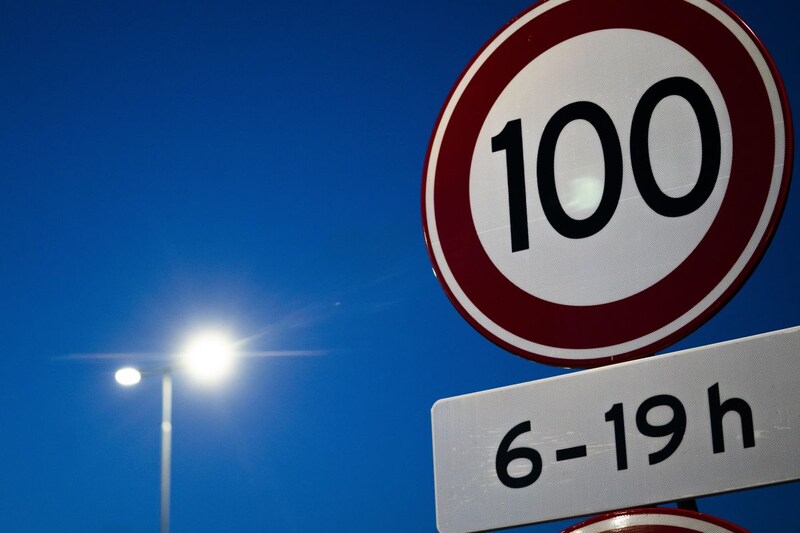
For almost four years now, we have been driving at most 100 km/h on the highway during the day in the Netherlands to reduce nitrogen emissions. However, this appears to be of little effect.
In March 2020, the maximum speed limit on highways was raised to a maximum of 100 km/h during the day, as a measure to reduce nitrogen emissions. In the same year, a study was conducted The Green Amsterdammer and Fidelity it emerged that the effect of that measure would be nil. More recently, at the beginning of 2022, the now outgoing cabinet concluded that things were also somewhat disappointing. However, it does save nitrogen compared to a maximum speed of 120 km/h or even 130 km/h, so it stuck with it.
Now there is another study that does not really paint a rosy picture of the effect. The Netherlands Environmental Assessment Agency, RIVM and Wageningen University conclude the following in a study into the ‘Nitrogen Reduction and Nature Improvement Program’: “The reduction in the maximum speed on highways and the Subsidy Scheme for the Remediation of Pig Farms (Srv) together resulted in a limited reduction in 2021 of 5 to 6 moles of nitrogen per hectare per year and can only partly be attributed to the Nitrogen Reduction and Nature Improvement Program.”
The difficulty is that the maximum speed measure has been combined with that of the reorganization of pig farms, but even together the effect is limited. Worse: according to the researchers, it is very difficult to assess what effect the nitrogen measures have in total. In fact, the government is largely following this course blindly.
– Thanks for information from Autoweek.nl