
Petrol cars most popular, little interest in Chinese
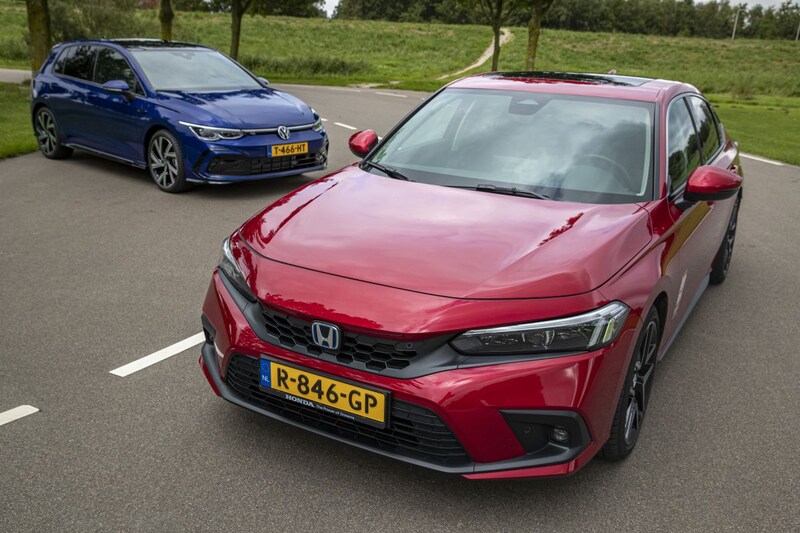
Private leasing is a fairly popular way to drive a new car, but there is still quite a bit of reluctance due to the costs. A petrol model is the most popular among candidates for a new car, especially one from a well-known source.
Although private leasing makes driving a new car accessible on paper, many Dutch people view it differently. Research by GfK among 2,000 Dutch people shows that of the people who are considering a new car and who are familiar with private leasing, 20 percent are actually considering private leasing. That is no guarantee that 20 percent will actually go for it. No fewer than 59 percent of people who are familiar with private leasing think it is too expensive. There are also car subscriptions (think of Lynk & Co, for example), but only 15 percent of people who want to drive a new car are familiar with them.
GfK also examined the wish list for a new car, regardless of the method of purchase, lease or rental. It turns out: there is mainly interest in petrol cars. 70 percent of people have a petrol engine in their top 3 drivetrain. The plug-in hybrid is then best represented; it is in the top 3 at 52 percent. Fully electric is just behind, at 51 percent. The choice of whether or not to opt for an electric car is strongly influenced by financial incentives from the government. For example, no fewer than two-thirds of people considering an EV say they have doubts about electric driving because of the MRB that will soon be possible. The possible curtailment of purchasing subsidies also plays a role, for just over half of the people.
Not only the drive, but the origin of the car also appears to be decisive. It probably won’t surprise you, but German cars in particular are popular among people who want to drive a new car. As many as 41 percent prefer a German brand. Japanese cars are also still in demand in our country, although at 18 percent they are much less popular than German cars. GfK does not give an exact percentage, but the research also shows that people are certainly not enthusiastic about Chinese cars. According to the researchers, there are mainly doubts about the quality, but also about the service once you drive in Chinese.
– Thanks for information from Autoweek.nl