

Micronutrients are essential for human survival. We will explain to you what the substances are all about and how you can provide your body with enough of them.
You have to supply your body with many vital substances through food. In addition to the three major macronutrients (carbohydrates, fats, proteins), these also include the so-called micronutrients. This group includes many different nutrients with different functions in the human organism.
You can find out why micronutrients are so important and which foods contain them in this article.
What are micronutrients?

Nutrients are generally considered to be all substances that the human body needs for development, growth and health. We usually get them through food.
As already mentioned, a distinction is made between macro and micronutrients. The health insurance company AOK explains the difference:
-
Macronutrients (“macro” means “large”) are fats (lipids), proteins (proteins) and carbohydrates. They mainly act as energy sources for the human organism.
-
Micronutrients (from “micro”, i.e. “small”), on the other hand, do not provide energy, but are responsible for the growth and development of tissue as well as for the regulation of metabolism. They are also indispensable for immune defense and cell protection.
The group of micronutrients consists of:
- vitamins,
- minerals,
-
trace elements,
-
amino acids,
- and essential fatty acids.
Secondary plant substances are sometimes also counted as micronutrients because they are also said to have numerous positive effects on the human organism. However, because they are not essential for survival, unlike minerals, for example, they are not generally considered micronutrients.
Main source of micronutrients: fruits and vegetables
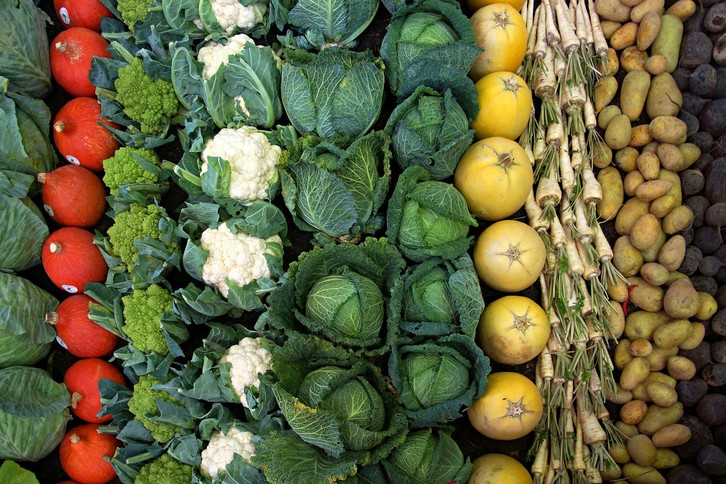
According to the Federal Institute for Risk Assessment (BfR), micronutrients are found, among other things, in plant-based foods. These include, for example, various types of fruit and vegetables. However, it is advisable to use fresh products, as the content of vitamins, minerals, etc. can decrease drastically due to long storage or transport routes.
Therefore, it also makes sense from a health perspective to buy locally and seasonally: an apple that you pick fresh from the tree in September contains significantly more micronutrients than an imported product from New Zealand.
An alternative to fresh produce: frozen vegetables or fruit. Contrary to popular belief, frozen products are often even more nutritious than supposedly fresh fruit and vegetables that have already been stored or transported for days.
- The German Nutrition Society (DGE) recommends five portions of fruit and vegetables per day. One serving is approximately a handful.
- You should make sure there is enough variety in your diet and eat as many different types of fruit and vegetables as possible. The most nutrient-rich representatives of this group include kale, broccoli, apples, berries, parsley, chard and spinach.
- It is also generally advisable to buy organic food. They are not contaminated with chemical-synthetic pesticides, which are harmful to both health and the environment.
Micronutrients from nuts and seeds
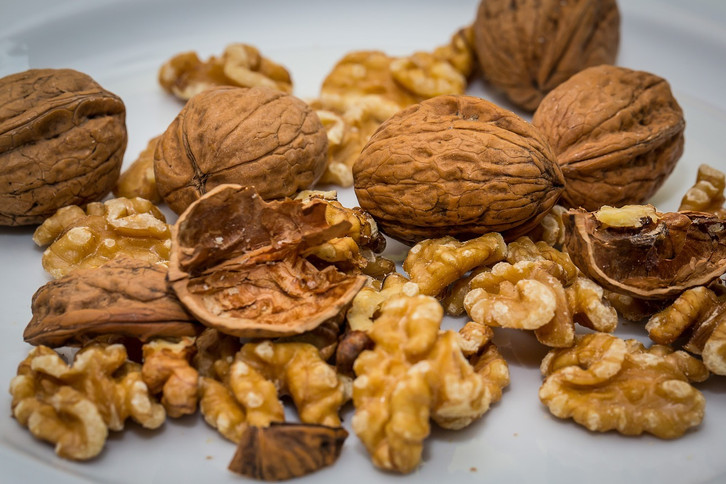
You should also include nuts, seeds and kernels in your diet every day, as they are, among other things, a good source of essential fatty acids. Here it is also worth relying on products that are grown in Germany. For example, you can use regional flax seeds instead of chia seeds from Central America. Hazelnuts, walnuts, pumpkin and sunflower seeds are also available from local cultivation.
Walnuts and flaxseeds are among the healthiest members of this group because they contain the important omega-3 fatty acids. Many nuts and seeds also provide the body with significant amounts of essential amino acids, vitamin B1 and B3, vitamin E, zinc and magnesium.
Many studies show the positive effects of nuts on our health. A handful of nuts per day is usually recommended. A Dutch study from 2015 came to the conclusion that consuming just ten to 15 grams of nuts daily protects against cardiovascular and respiratory diseases as well as diabetes and cancer. Recent studies confirm that nuts in certain quantities can have a preventive effect against some diseases of civilization. However, many connections are still unclear and the health effects of nuts need to be further researched in the future.
One thing is certain: If you are not allergic to nuts, they are a healthy snack for in between meals that can also provide you with valuable micronutrients.
Micronutrients from legumes
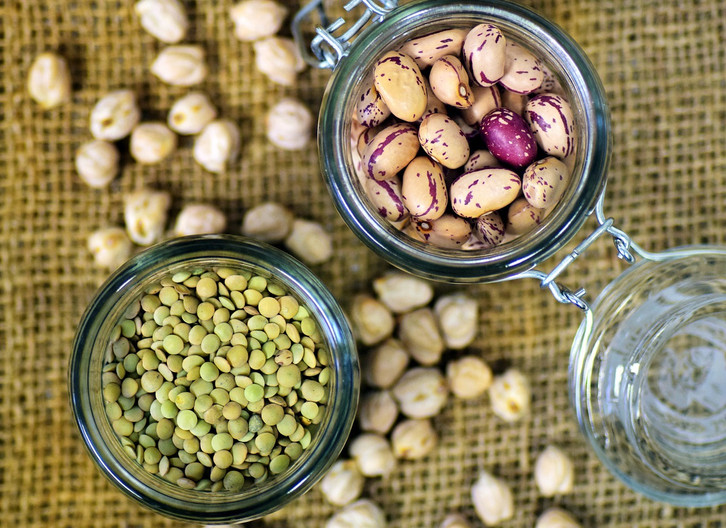
In addition to a considerable amount of plant proteins, legumes such as peas, lentils and beans also contain many micronutrients. The small power packs are particularly a good source of secondary plant substances, essential amino acids as well as B vitamins, potassium, magnesium, iron and zinc. It is best to consume legumes together with a type of grain such as spelt, rice or wheat, as this improves the protein quality.
Unfortunately, many legumes are not grown in Germany. However, you can also get some types of lentils, green peas and soybeans from local cultivation. You can get other legumes from European countries.
Whole grain products instead of white flour for micronutrients!

When it comes to rice, wheat, spelt, etc., it’s worth choosing whole grain products from a health perspective. The grain retains its husk and seedling after harvest. This means that whole grain products are significantly richer in nutrients than their white and heavily processed relatives.
Whole grain products are particularly rich in the micronutrients vitamin E, various B vitamins, iron, zinc and magnesium. Recommended types of grain that you get from local cultivation:
- Spelt
- Wheat
- Emmer
- Einkorn
- Oats
- rye
You should avoid white flour products as they contain hardly any micronutrients and are therefore also referred to as “empty calories”.
Micronutrients in animal products

Animal products can also help you meet your daily micronutrient needs.
-
Eggs contain all important vitamins except vitamin C. They are also rich in iron and phosphorus.
-
Dairy products are primarily known for their high calcium content. They also provide phosphorus, potassium and magnesium as well as some B vitamins.
-
Fish is a well-known source of omega-3 fatty acids. It also contains vitamin D, B vitamins, iron, iodine, potassium and phosphorus.
- Many types of meat are rich in B vitamins, iron and zinc.
However, since animal products contain a lot of saturated fatty acids, in large quantities they can have a negative effect on cholesterol levels and thus cause cardiovascular diseases. Processed red meat is considered a probable carcinogen.
Therefore, you should make sure to eat mostly plant-based food and consume animal products in moderation, as they are not harmless to both health and the environment. The DGE recommends a maximum of 300 grams of meat and sausage per week.
If you want to eat vegan, you can cover your nutrient needs with a wholesome, healthy diet without milk, meat, etc. You should definitely supplement with vitamin B12, as this vitamin is only found in animal products.
It is also worth using organic products, especially when it comes to animal foods. Depending on the organic seal, species-appropriate husbandry of the animals is guaranteed. In addition, the animals are not fed additional antibiotics.
Micronutrients from dietary supplements
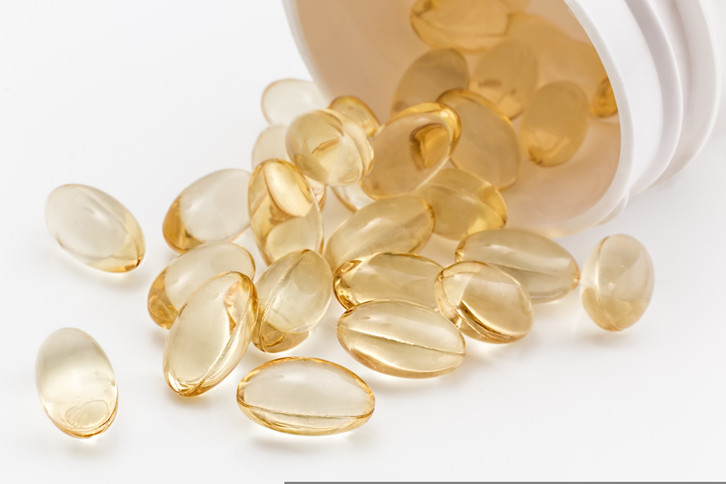
Basically, if you eat a balanced diet, you don’t need to take any additional vitamin capsules or mineral tablets. This only makes sense in certain situations. For example, pregnant women should cover their significantly increased folic acid requirements with additional preparations.
Even if your doctor has diagnosed a slight deficiency after a blood test, it may make sense to take nutritional supplements over a certain period of time. As a rule, you should not swallow such products regularly without medical advice. This is often not only unnecessary, but can also have a negative impact on your health.
An overdose of some micronutrients can have negative consequences because some vitamins and minerals (such as vitamin D or iron) are not excreted but instead accumulate in the body. This can have a negative effect on organs and vessels. A healthy diet is therefore the safest and cheapest way to meet your micronutrient needs.
Edited by Jennifer Watzek
Read more on Techzle\.com:
- Do you need nutritional supplements for a vegetarian diet?
- How healthy is a vegan diet? This is the official recommendation of the DGE
- Is sustainable nutrition also healthy?
** marked with ** or orange underlined Links to sources of supply are partly partner links: If you buy here, you are actively supporting Techzle\.com, because we then receive a small part of the sales proceeds. More info.